Pollinators don’t just feed flowers, they help feed America
Save the Bees: Protect Pollinators and Our Food Supply
Save The Bees USA protects the pollinators that keep our farms, gardens, and food supply thriving. Join us in protecting bees, restoring habitat, and securing a healthier future.
Choose your next step
Save the Bees Through Education, Habitat, and Hive Support
Our programs turn concern for pollinators into something practical: a student seeing bees up close, a school creating a pollinator garden, or a supporter helping responsible beekeepers share their knowledge. Choose a program below to learn how it works and how you can take part.
For schools and communities
Observation Hive Program
A qualified beekeeper brings an enclosed observation hive and teaching materials to an approved learning session. Students see honey bees on the comb while the bees remain contained, then connect colony life with pollination, habitats, and the foods we eat.
Explore the school program, or help fund equipment and beekeeper-led education. Locations, school requirements, and availability are confirmed before a visit is arranged.
Explore School Bee EducationFor schools and garden supporters
Pollinator Garden Grants
Our $100 Pollinator Garden Grant helps schools and environmentally focused organizations start or expand a space for pollinator learning. Gardens give students a place to observe flowers, insects, and the relationship between habitat and healthy ecosystems.
Applicants can review eligibility and apply. Supporters can help sustain garden grants and our broader education work through a donation. Grant selection and funding are not guaranteed.
For individuals, families, and gifts
Adopt A Hive
Give an amount that works for you to support responsible hive care, pollinator habitat, and bee education. The program has its own donation form, with one-time and recurring giving options. No sponsorship package is required.
With a donation over $200, you can name your adopted hive and receive a personalized certificate of adoption, for yourself or as a gift. Adoption is symbolic and does not transfer ownership of a hive.
Give to Adopt A HiveFor companies and funders
Corporate Partnerships
Help bring school and community pollinator education to the communities your company serves. Funding can support local beekeeper recruitment, observation hive equipment, sponsor-branded teaching materials, and program delivery.
Partnerships can also include onsite or virtual bee presentations for employees. We agree on locations, activities, responsibilities, and reporting before making delivery commitments.
Discuss a Corporate PartnershipProtect Native Bees, Too
Our work extends beyond honey bees. Explore the Bumblebee Restoration Program for native bumblebee habitat, nesting resources, and education, or the Mason Bee Program for solitary-bee nesting habitat, responsible care, and learning. Each program has a separate donation form so you can choose the work you want to support.
See All Programs and ApplicationsBee Conservation That Supports People, Plants, and Food
Protect Bees and Pollinators Across America
Save The Bees USA is a national bee conservation nonprofit helping schools, gardeners, beekeepers, and communities protect bees, restore pollinator habitat, and strengthen America’s food supply.
People who want to save the bees need clear ways to turn concern into action. On this homepage, you can learn why bees matter, choose practical ways to save bees, explore Save The Bees USA programs, and support the work through a tax-deductible donation.
Why We Must Save the Bees and Other Pollinators
Bees support our food supply, ecosystems, and communities. Save The Bees USA protects pollinators through education, habitat restoration, and hands-on conservation programs across America.
- 78%
- U.S. honey is imported
- 40%
- Honey bee colony losses ’25–’26
- 28%
- Bumble bee species at risk
- 4000+
- Native bee species in the U.S.
The Save the Bees Hub
How to Save the Bees: Four Ways to Take Action
Saving bees means protecting the food, nesting places, and healthy environments that honey bees, bumble bees, mason bees, and other native pollinators need. Start with one action or explore all four parts of our work.
Restore Pollinator Habitat
Plant diverse native flowers that bloom from spring through fall, provide clean water, reduce pesticide exposure, and leave safe nesting spaces. Even a garden, schoolyard, balcony, or community green space can help save bees.
Support Responsible Beekeepers
Healthy managed honey bee colonies depend on thoughtful seasonal care. Support beekeepers who monitor colony health, manage pests responsibly, maintain adequate forage, and respect the needs of native pollinators.
Teach Why Bees Matter
Education helps replace fear with understanding. Students, families, and communities can learn how pollination supports food and ecosystems, then use that knowledge to make bee-saving choices where they live and learn.
Protect Native Bees and Honey Bees
Bee conservation is bigger than any one species. Protecting bees requires habitat, responsible land care, education, research, and practical programs that help people take meaningful action across America.
Every bee-saving action strengthens the #SaveTheBees mission. If you want to make an immediate difference, donate to Save the Bees and help fund pollinator education, habitat restoration, and conservation programs.
How Your Support Makes a Difference
Your support powers real change for pollinators and people. Together, we protect bees, restore vital habitats, educate communities, and build a healthier, more resilient food future.
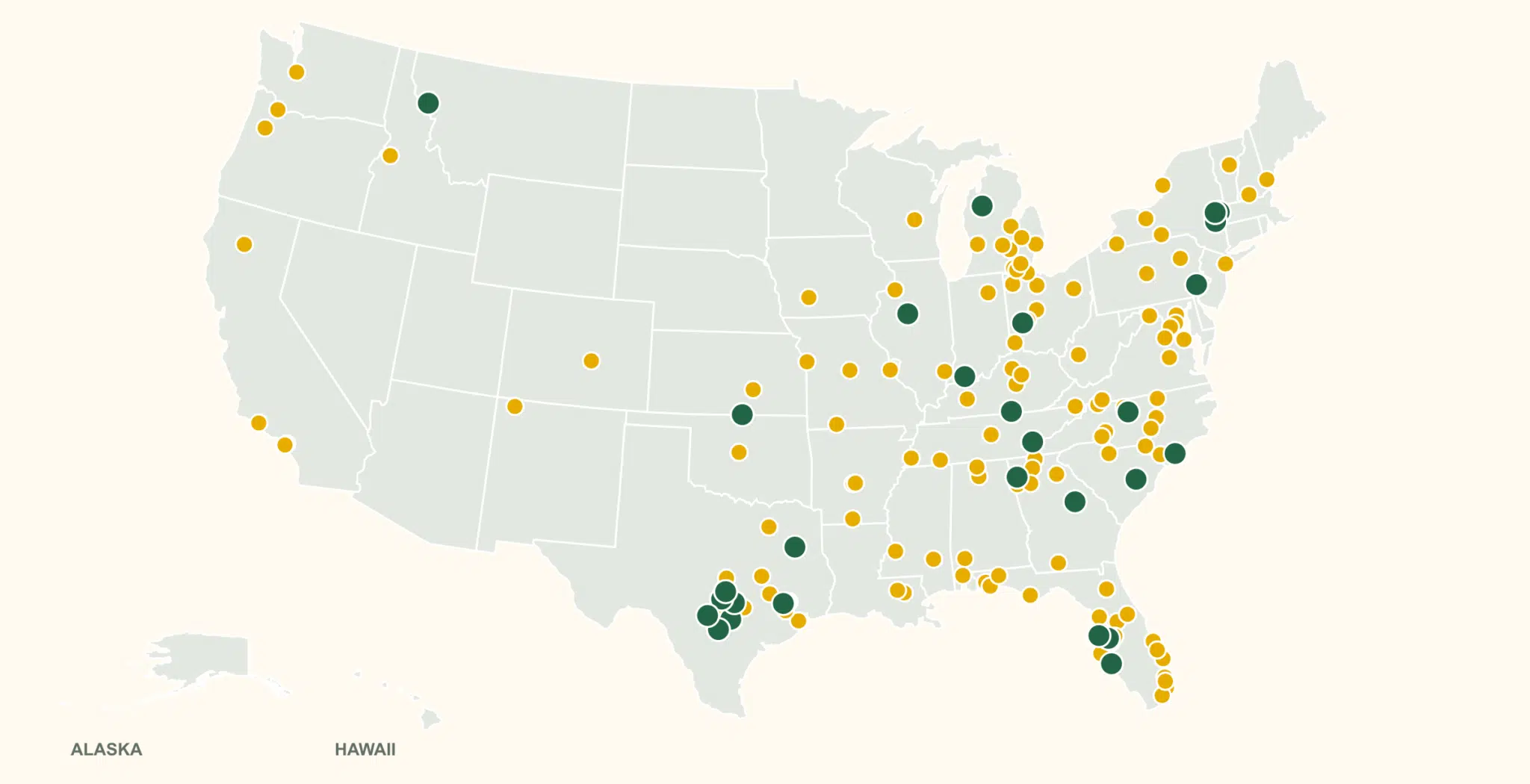
Approved beekeepers: 28 city-level locations across 15 states
Pollinator Education
We educate students, families, and communities about the vital role pollinators play in our ecosystems and food supply. Knowledge today creates conservation champions for tomorrow.
Our growing beekeeper network connects local expertise with school and community pollinator learning. Support helps equip qualified beekeepers with observation hives and educational materials so more students can discover why bees matter.
Dots show approximate city areas, not home addresses. Approved locations do not guarantee a currently available or funded school visit.
Habitat Restoration
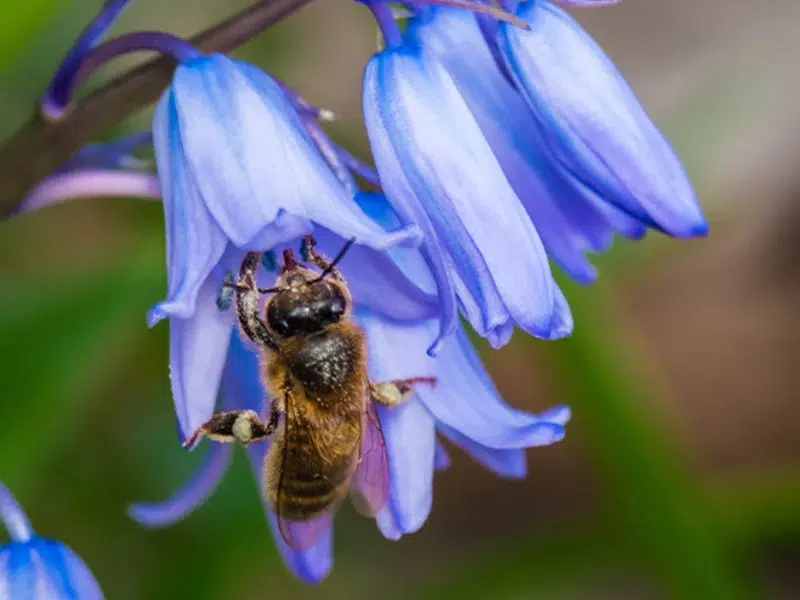
We restore and protect pollinator habitats by planting native flowers, improving green spaces, and removing harmful barriers. Healthy habitats help bees thrive today and for generations to come.
Restore Habitat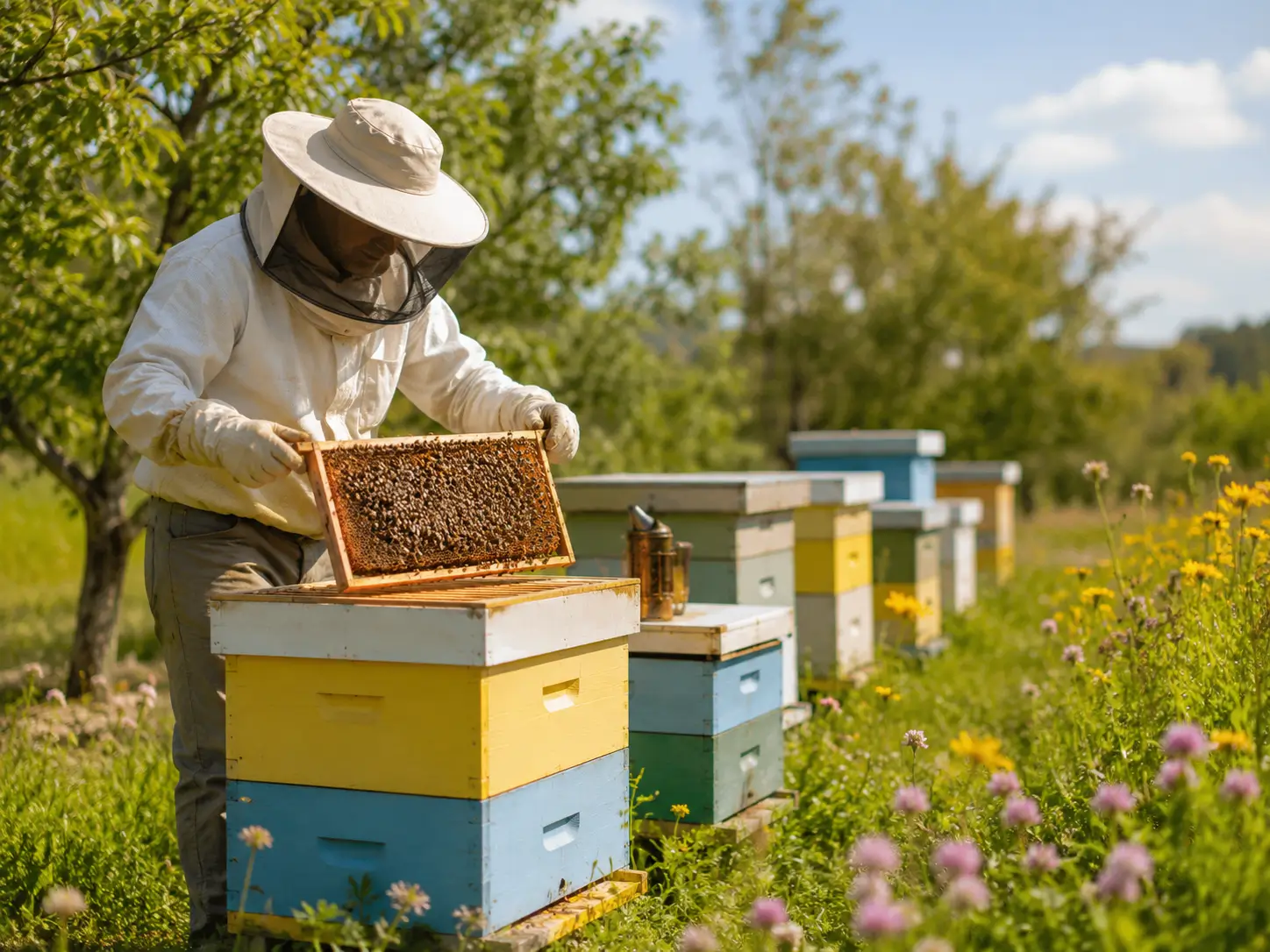
Beekeeper Support
We support responsible beekeepers with education, resources, community programs, and opportunities to share the importance of bees. Beekeepers protect healthy colonies across America.
View Programs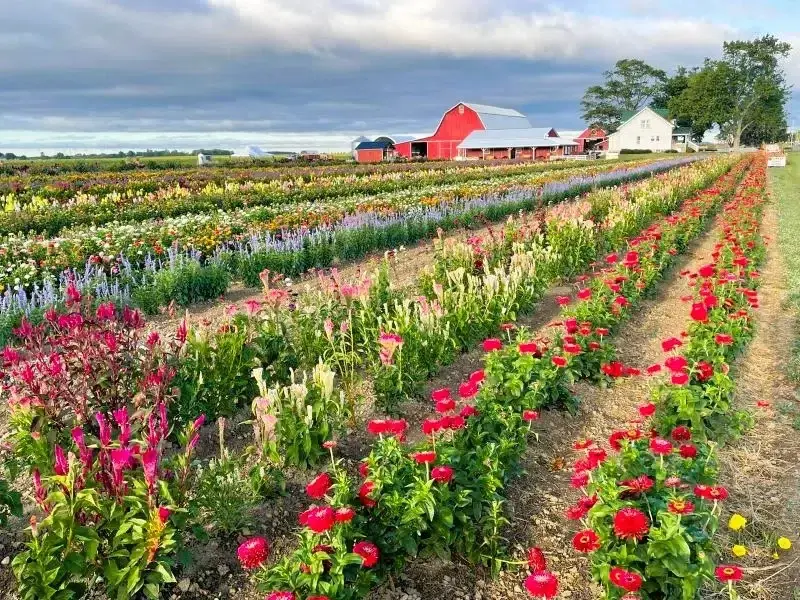
Community Action
We bring people together to take action by planting gardens, advocating for pollinators, and creating bee-friendly spaces. Together, every small action makes a big difference for bees and pollinators.
Get Involved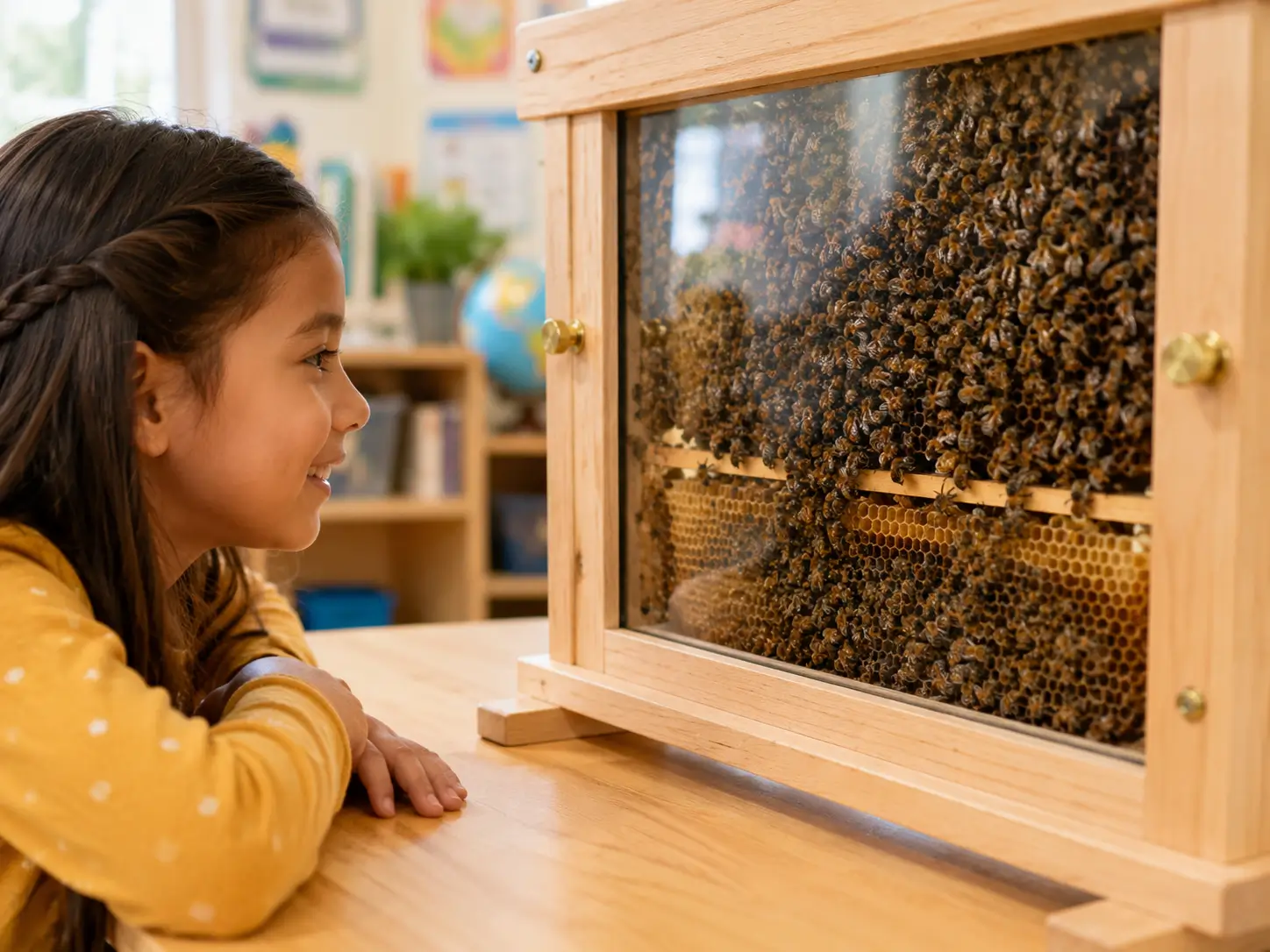
Inspiring the Next Generation of Bee Protectors
Bee Education in Action
Save The Bees USA brings pollinator education directly into schools and communities, giving students the opportunity to learn about honey bees, native bees, pollination, and the habitats bees need to thrive.
Join the mission
Pollinators Protect Our Food and Future
Bees and other pollinators help sustain the plants, food systems, and ecosystems we depend on every day. Across the United States, pollinators are under pressure from habitat loss, pesticide exposure, climate change, and declining forage.
Save The Bees USA works with schools, beekeepers, gardeners, businesses, and local communities to protect pollinators, restore healthy habitats, and inspire hands-on conservation.
Join the Mission
Save The Bees USA is a grant-funded 501(c)(3) nonprofit supported by foundations, corporate partners, and people like you.
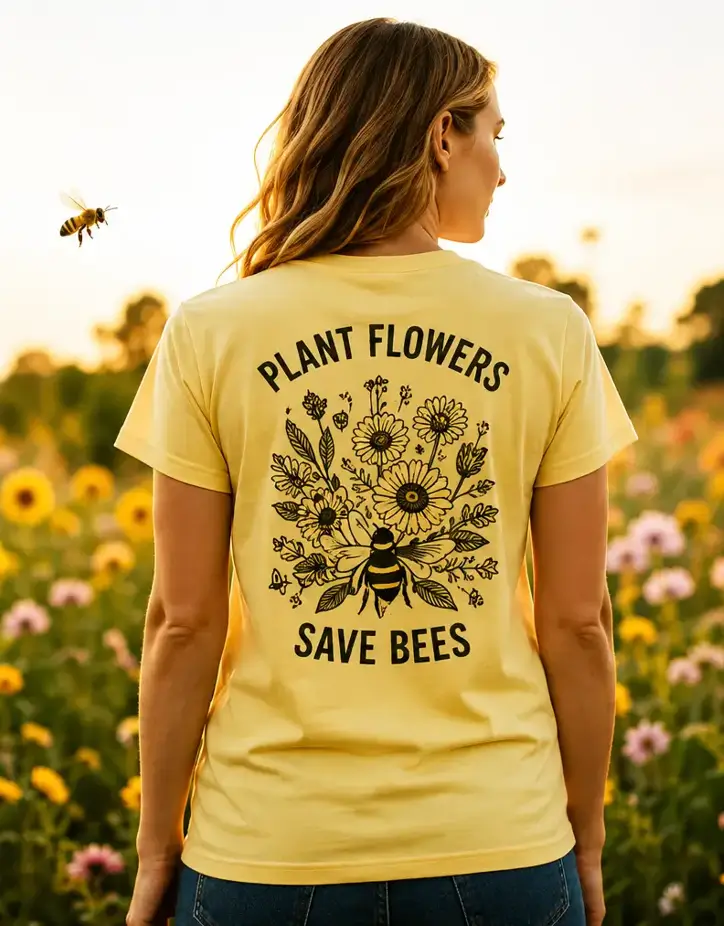
#SAVETHEBEES
Our Programs in Action
Save The Bees USA delivers hands-on education and conservation programs that help students and communities understand the importance of pollinators. Each program is designed to turn learning into action by protecting bees, restoring habitats, and inspiring long-term stewardship.
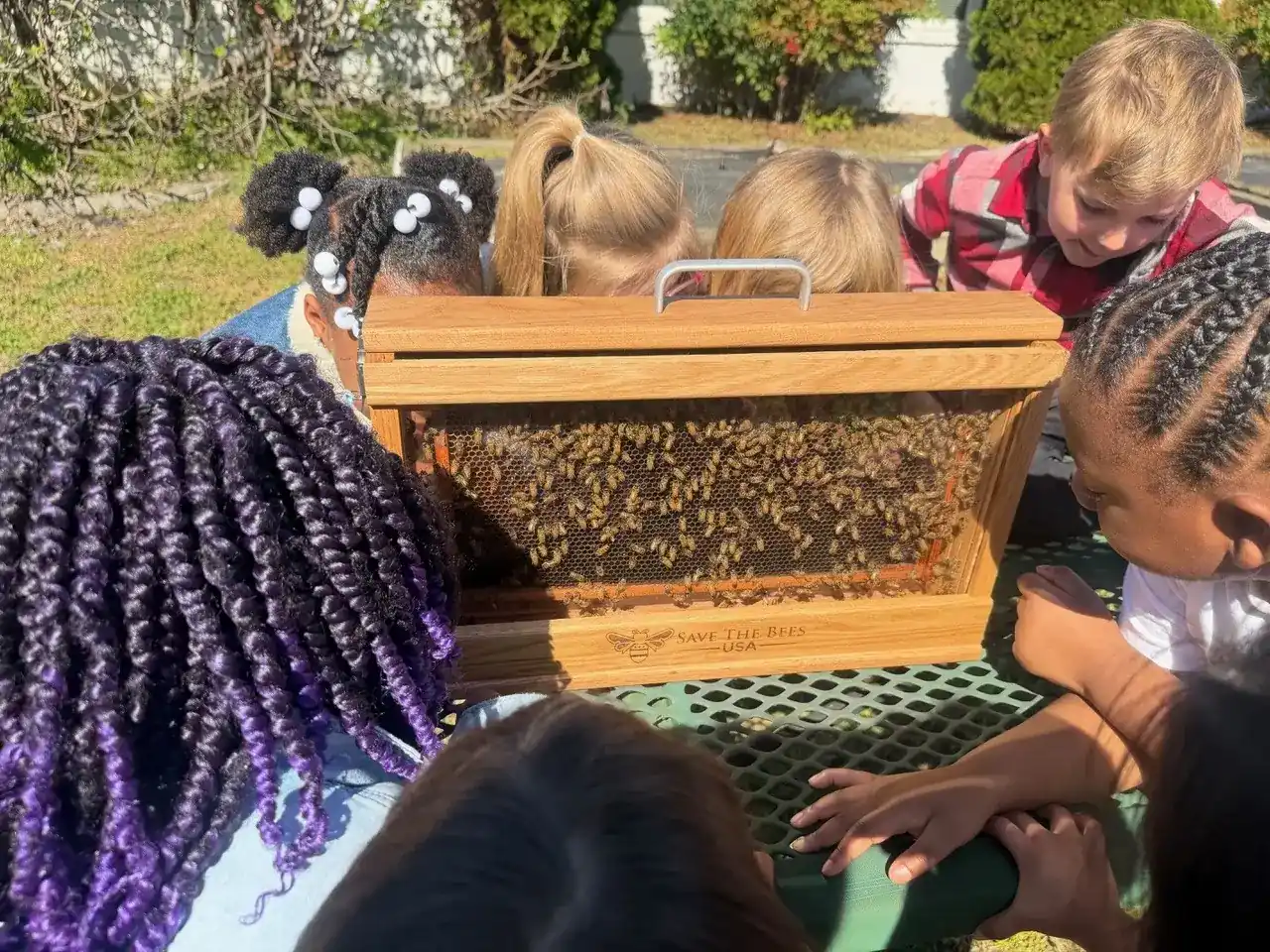

Observation Hives in Schools
The Observation Hive in Schools Program brings a living honey bee colony into the classroom through a secure observation hive and guided, hands-on STEM education.
Students can safely observe colony behavior, pollination, and the relationship between bees, agriculture, and healthy ecosystems. The experience replaces fear with understanding and inspires long-term pollinator stewardship.
See Bees Up Close
Adopt A Hive Program
The Adopt a Hive Program connects individuals, schools, and organizations with beekeepers across the country. Sponsorships help provide hive equipment, educational resources, and support for responsible beekeeping.
By adopting a hive, you help strengthen honey bee colonies, expand pollinator education, and support the people caring for bees in their communities.
Help beekeepers protect healthy hives across America.
Sponsor a Hive Today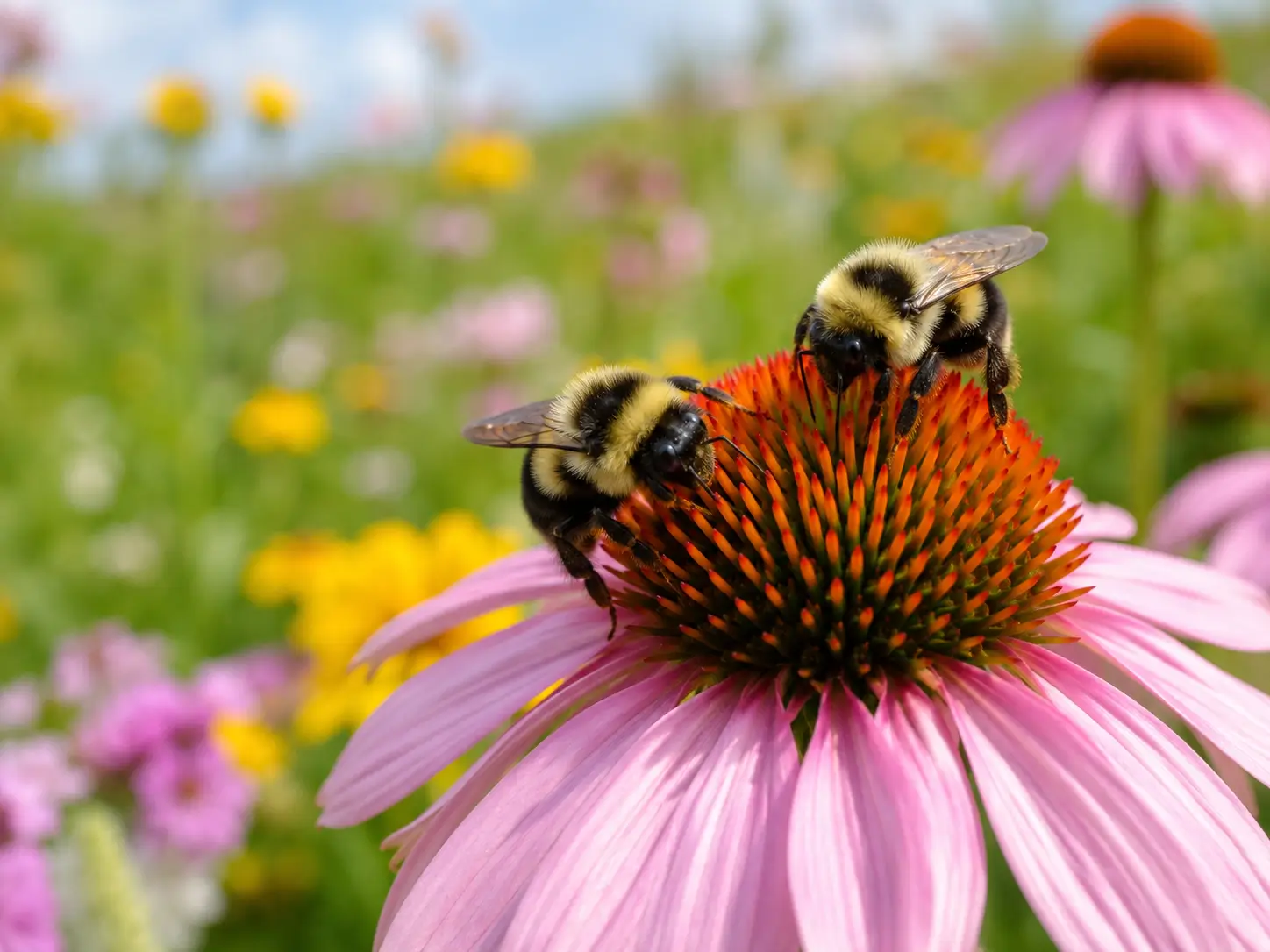
Bumblebee Program
The Bumblebee Restoration Program protects native bumble bees by improving nesting habitat, supporting community education, and encouraging species-specific conservation.
These efforts create safer places for bumble bee colonies and help more people understand their essential role in healthy ecosystems and food production.
Support practical conservation that helps bumble bees thrive.
Save Bumblebees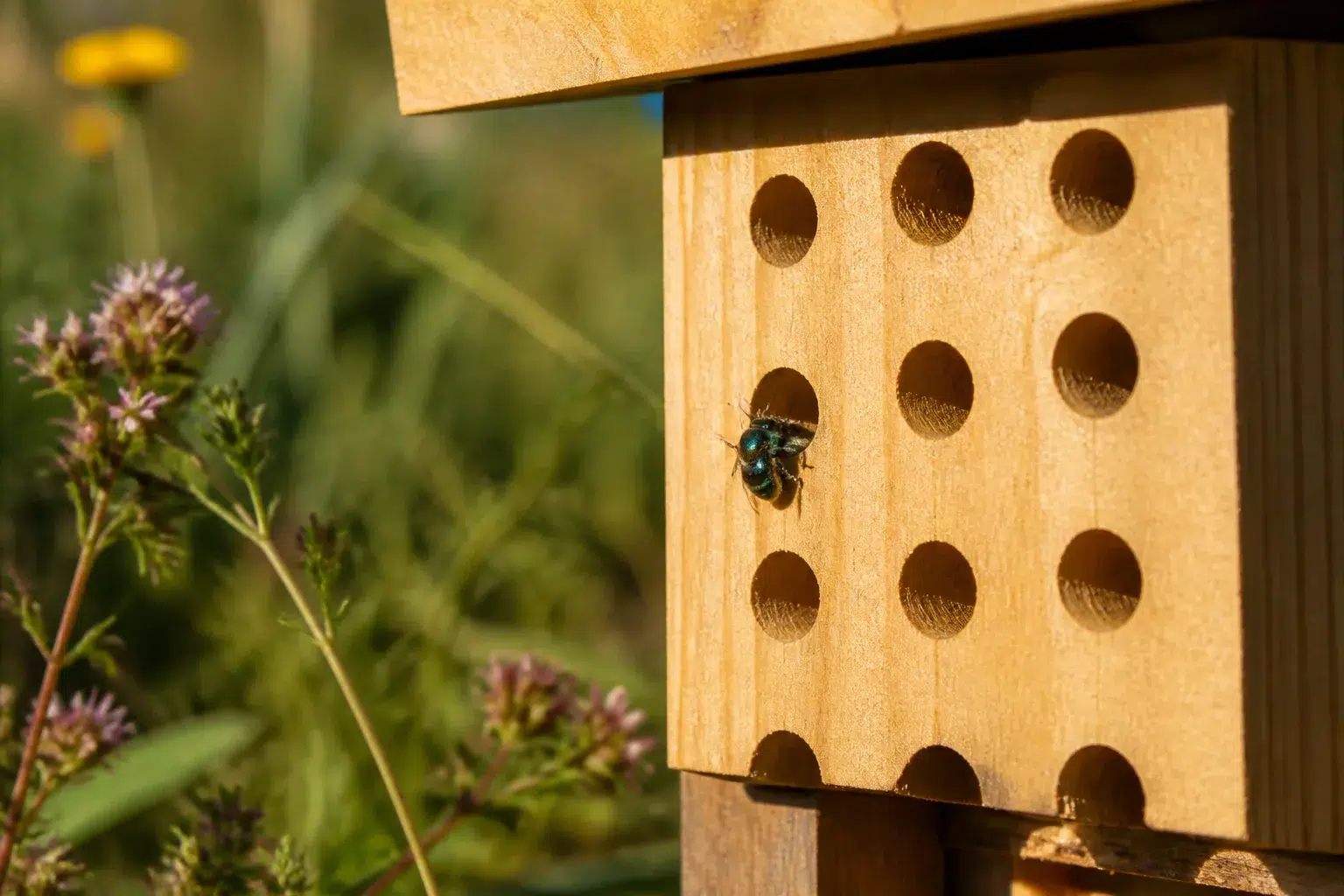
Mason Bee Program
The Mason Bee Program supports native solitary bees through safe nesting habitat, practical education, and community conservation.
Mason bees are gentle, efficient pollinators that help gardens and orchards thrive.
Give native bees a safe place to nest and grow.
Support Native Mason BeesHOW CAN WE SAVE BUMBLEBEES FROM DYING?
“The decline in populations and ranges of several species of bumblebees may be explained by issues of overheating of the nests and the brood,” the study’s lead author, ecologist Peter Kevan, a Professor Emeritus of Environmental Sciences at the University of Guelph, Learn more about the study’s findings in this statement.More about Bumblebees
About our work
🐝 About Save The Bees USA
Save The Bees USA is a 501(c)(3) nonprofit dedicated to pollinator conservation through education and advocacy. We focus on teaching schools and communities about the vital role bees play in our ecosystem. 🌿✨
Save The Bees | Leading Bee Conservation
Save The Bees USA is on a mission to protect bees and educate the next generation! 🌍✨ Bees are essential to our environment and food supply, and we work to restore habitats, raise awareness, and promote conservation.
🎓 EDUCATION
Bringing pollinator education into schools and communities through observation hives, hands-on STEM learning, and beekeeper outreach.
🐝 RESPONSIBLE BEEKEEPING
Supporting healthy honey bee colonies through responsible management, beekeeper education, equipment testing, and hive programs.
🌼 HABITAT RESTORATION
Creating pollinator gardens and restoring the flowers, nesting areas, and natural habitat bees need to survive.
🌎 NATIVE BEE CONSERVATION
Protecting bumble bees and solitary native bees through habitat programs, education, research, and species-specific conservation.
🚨 Bees are in danger! Their decline threatens ecosystems and food security. By planting flowers, supporting hives, and restoring habitats, you help protect pollinators and ensure a thriving planet.
Bees & Climate Change: How Environmental Conditions Affect Pollinators
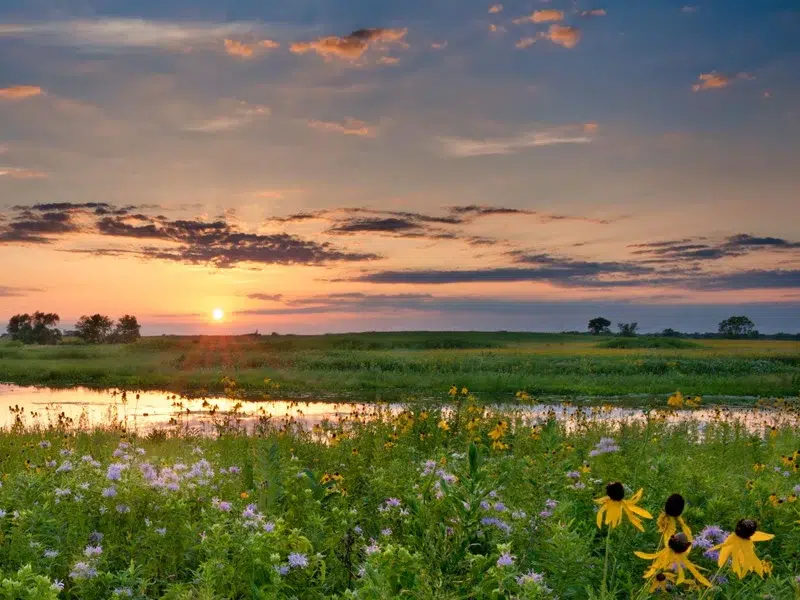
Climate change refers to long-term shifts in temperature, weather patterns, and environmental conditions. These changes can influence how plants grow, when flowers bloom, and how pollinators like bees find food and nesting areas. Understanding how climate change affects bees helps communities make informed, practical decisions that support pollinators, agriculture, and healthy ecosystems.
🌡️ Changing temperatures and seasonal timing
Rising temperatures are shifting seasonal timing, causing flowers to bloom earlier and disrupting the natural life cycles of bees and other pollinators.
These climate-driven timing changes reduce food availability for bees and weaken pollination, biodiversity, and food systems.
⛈️ Extreme weather events
Extreme weather events such as heat waves, droughts, floods, and severe storms damage pollinator habitats and disrupt bee nesting, foraging, and survival.
As climate change increases the frequency and intensity of these events, bees face greater stress, habitat loss, and reduced pollination capacity.
🌾 Environmental stressors & land practices
Modern land practices, pesticide use, and habitat fragmentation increase environmental stress on bees and other pollinators.
These stressors reduce forage diversity, weaken pollinator health, and limit the ability of ecosystems to adapt to climate change.
Our Approach at Save The Bees USA
Save The Bees USA focuses on education-based solutions that help students and communities understand how climate change and environmental conditions affect pollinators. Through classroom programs, habitat awareness, and hands-on learning, we promote practical steps that support bees, agriculture, and long-term ecosystem health.
By teaching how environmental changes impact pollinators, we empower people to make informed choices that help protect bees today and into the future.
Explore more about bees
All About Bees
Honey bees and native bees – including bumblebees, carpenter bees, and sweat bees, are essential pollinators. As they collect pollen and nectar, they help flowering plants reproduce, crops grow, and ecosystems thrive.
Join Us to Help Bees!
This is where we work hard to help save bees. We want to teach people about bees, protect them, and speak up for them.
Working Together to Save Bees
See what we’re doing to help bees and how you can join in. Together, we can protect pollinators and raise awareness.
Discover, Protect, and Help Bees
Learn more about bees, understand the challenges they face, and discover meaningful ways to help protect them. Your help matters!
How Flowers Support Bees
Bees rely on flowers for both food and survival:
- Nectar provides energy and is converted into honey to feed the hive.
- Pollen is a vital source of protein used to nourish larvae and young bees.
- Flowering plants also offer shelter and nesting materials, making them essential for bee colonies to grow and thrive.
Planting bee-friendly flowers like lavender, daisies, black-eyed susans, sunflowers, and wildflowers helps bees collect what they need while supporting pollination and ecosystem health.
Education & advocacy
Help Pollinators, Protect Our Future
Bees play a crucial role in sustaining ecosystems and ensuring U.S. food security. At Save The Bees USA, we are dedicated to protecting pollinators through education, advocacy, and hands-on conservation efforts to secure their survival.
Scientists Declare Bees the Most Important Species on Earth – Here’s Why
Bee Conservation Topics
More Information
Many types of bees pollinate the crops our food systems rely on, making them essential to food security, biodiversity, and healthy ecosystems. Through observation hives, school programs, and community education, Save The Bees USA helps students and families understand pollinators and take practical action to protect bees and restore pollinator habitat.
Raising Public Awareness Through Education and Advocacy
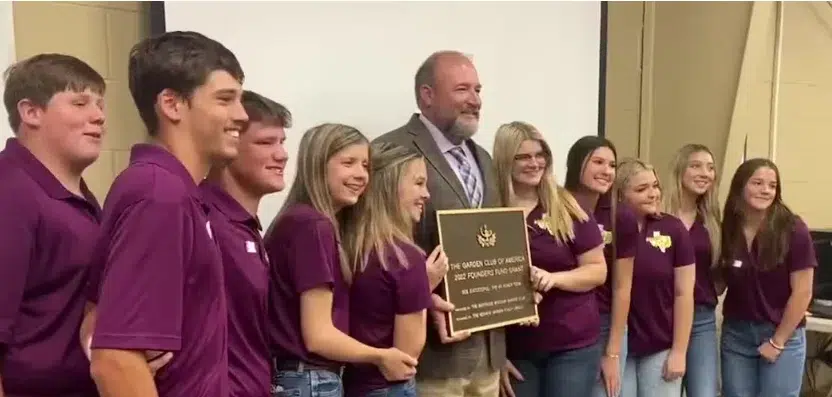
Hawkins High School Ag Program
More Information
Learning is the first step to helping bees. At Save The Bees USA, we have programs that show kids, families, and friends the big jobs that many type of bees do to help with growing plants and keeping nature healthy.
With fun learning activities like our Observation Hives in Schools program, people can see how each type of bee helps nature. By supporting these programs, you help pay for bee studies and learning programs that keep bees safe and healthy, so everyone can enjoy a bright future.
Your support advances bee conservation. Join Save The Bees USA by adopting a hive, creating habitat for pollinators, or supporting programs that protect bees and educate communities. Together, we can keep honey bees and other pollinators safe, which helps our environment and the food we eat. Look at our programs today and take small steps to make a big difference for bees.
Bee Facts • Clear Answers
What Save The Bees USA Is All About
The Essentials
Essential Pollinators
Save The Bees emphasizes that bees pollinate over 70% of the crops that feed the world, making them crucial to global food security.
Declining Numbers
Save Bees focuses on the sharp drop in bee numbers. Some types of bees are close to disappearing because of pesticides, loss of habitats, and climate change.
Environmental Guardians
Save The Bees is important because bees help nature by pollinating plants. These plants support animals and keep ecosystems healthy. Without bees, many parts of nature would have a hard time surviving.
Educational Campaigns
Save The Bees focuses on public education and advocacy to protect bee habitats.
How to Save Bees
What does “save the bees” mean?
To save the bees means protecting both managed honey bees and the many native bee species that pollinate wild plants, gardens, and crops. The work includes restoring habitat, reducing harmful pesticide exposure, supporting responsible beekeeping, expanding education, and funding practical conservation.
How can I save bees at home?
Plant a variety of native flowers, keep some stems and bare ground available for nesting, provide shallow clean water, avoid spraying pesticides on blooming plants, and share what you learn. Our pollinator habitat guide explains how to begin.
Does Save The Bees USA protect native bees or only honey bees?
Our mission includes honey bees, bumble bees, mason bees, and other native pollinators. Different bees have different needs, so our programs connect responsible beekeeping with native habitat, education, and broader bee conservation.
How can I support the #SaveTheBees mission?
You can create pollinator habitat, learn and teach accurate bee facts, support responsible beekeepers, share practical bee-saving actions, and donate to Save The Bees USA. Choose the action that fits you, then use the four pillars on this homepage to go deeper.
Questions People Ask
Are all bee species affected by the decline?
Yes, the decline in bee numbers affects many kinds of bees, not just honey bees. Solitary bees like bumble bees, carpenter bees, and sweet bees are also in danger. They face problems like losing their homes, exposure to pesticides, and changes from climate change. Visit our news pages to learn more about bees across the United States.
How does climate change impact bee populations?
Climate change is a big problem for bees. It changes their homes and the timing of flowers blooming. This makes it harder for bees to find food. Weather changes make it hard for bees to find nectar and pollen, which they need to stay healthy.
What is the role of corporations in the movement?
They can help by using safe ways to farm that don’t hurt bees. This means using fewer bad chemicals, helping with bee projects, and following nature-friendly rules. Imagine a future where big companies in the U.S. save bees. Each company could help by donating, setting up beehives, or teaching people why bees matter. Save The Bees USA hopes for a time when companies help keep bees safe and healthy.
Are urban areas contributing to bee decline?
Building cities can take away places where bees live. But people in cities can still help bees! One way to help is by creating bee-friendly spaces. This could be a small garden or a few flowers on a balcony. Every little bit helps.
People can also support community gardens in their neighborhoods. These gardens give bees food and safe places to visit.
Another way to help is by asking for more green spaces in cities, like parks and flower-filled areas. Green spaces help bees find the food they need.
When people in cities create safe places for bees, they help protect bees from the changes that come with building cities.
How does the movement address pesticide use?
The movement is working to use fewer chemicals that hurt bees. One type of harmful chemical is called neonicotinoids. These chemicals are very bad for bees. The movement wants to make rules to stop using harmful chemicals. They are also looking for safer ways to help plants grow. They show people how these chemicals hurt bees. Some states have made laws to ban chemicals that harm bees. You can check to see if your state is helping too.
What is the impact of bee decline on agriculture?
The drop in bee numbers is hurting farming. Bees help pollinate many crops. If there are fewer bees, we might not grow as much food. This can cause problems with the amount of food we have. It can also affect the world’s economy. We need to learn more about other types of bees too. Native bees and solitary bees help farming in important ways.
How can schools participate in the Save the Bees movement?
Schools can help by teaching students about bees. Planting bee-friendly gardens at school lets students learn and save bees simultaneously. Schools can also have events, invite bee experts, and get students involved in saving bees. This helps kids learn to care for the environment. Programs like the Observation Hive at Save The Bees USA let students see how beehives work up close.
Voices from our community
Why People Stand With Save The Bees USA
Every supporter strengthens the movement to protect bees, restore pollinator habitat, and help future generations understand why pollinators matter.
“I fully support saving the bees and the environment.”
“You’re doing great! Together we’ll save the bees!”
“I support Save The Bees USA! Thank you for everything you’re doing!”
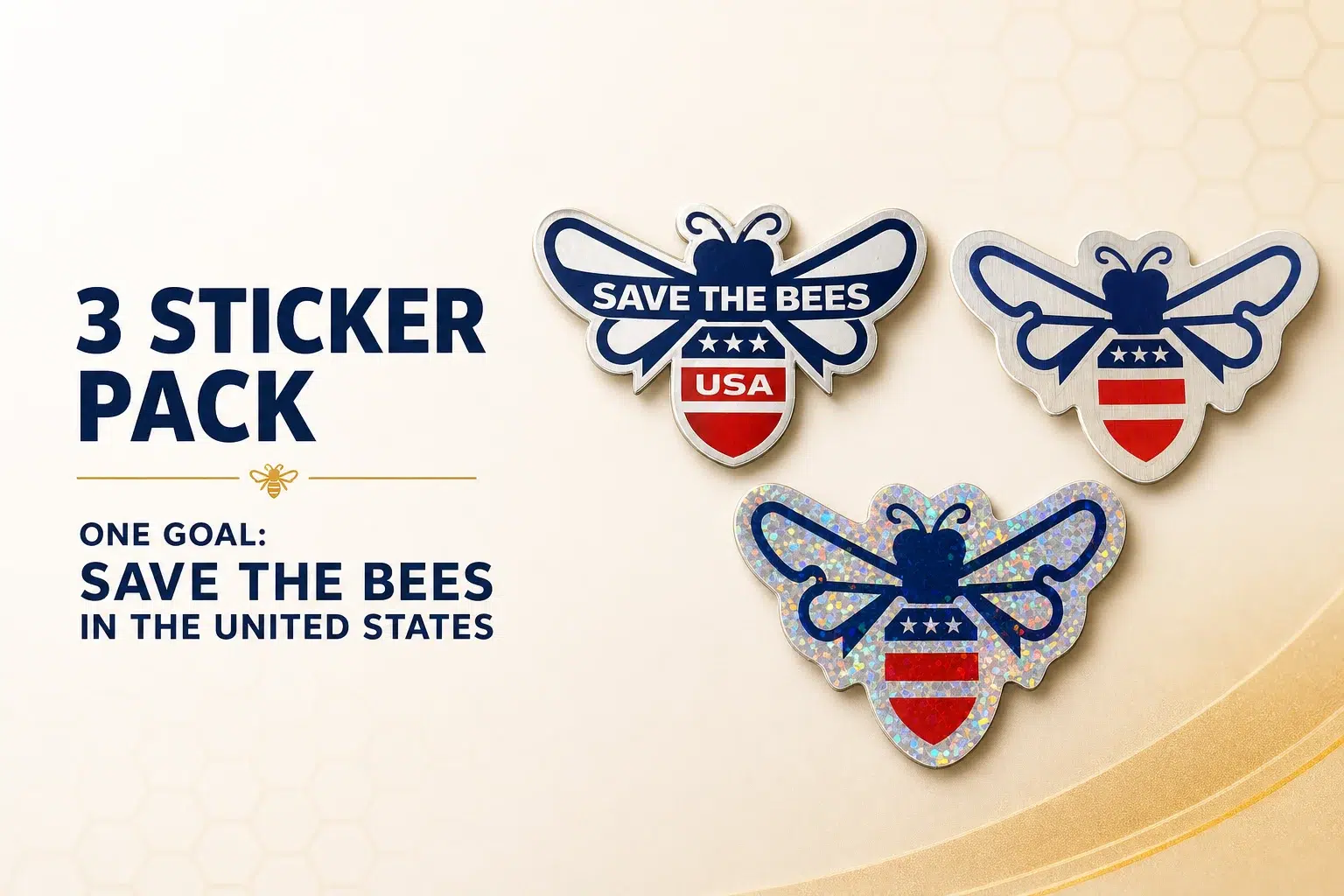
Monthly sticker contest
ENTER TO WIN A SAVE THE BEES USA STICKER PACK
The sticker contest is separate from our newsletter. Enter your email address and submit for your chance to win the featured three-sticker pack.
Your Support Creates a Buzz of Change
Together, we can protect pollinators and the future of our food supply.