
Expand Pollinator Habitat
Programa de restauración de abejorros
Restore nesting habitat, seasonal forage, and safer community spaces for native bumblebees—essential pollinators that strengthen gardens, farms, and wild ecosystems.
The Importance of Bumblebees
Powerful Native Pollinators Need Safer Places to Live
Bumblebees pollinate wildflowers, gardens, and crops, but many populations face pressure from habitat loss, pesticide exposure, climate change, and limited nesting sites.
Different From Honey Bees—and Equally Important
Bumblebees live in smaller colonies and often nest close to the ground in old burrows, thick vegetation, and other protected spaces.
Their large bodies and vibration-based “buzz pollination” make them especially effective on plants such as tomatoes, peppers, blueberries, and many native flowers.
Restoration combines safe nesting habitat, season-long forage, careful monitoring, and community education.
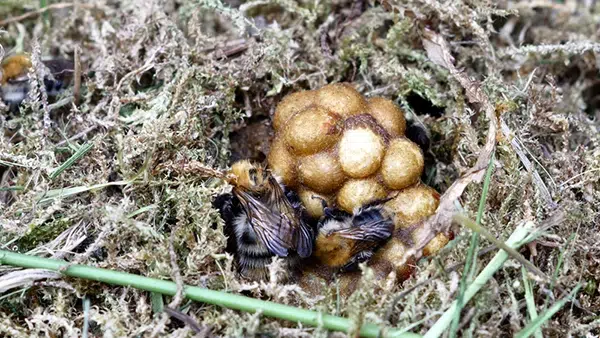
Bumbleboxes and Better Habitat
Give Queens a Safer Place to Start a Colony
Well-placed nest boxes can complement natural habitat when they are paired with diverse flowers, low disturbance, and responsible land care.

Protected Nesting Space
Boxes placed in cool, quiet locations can give a queen a sheltered option for establishing a new colony.

Season-Long Forage
Native flowers with overlapping bloom times provide pollen and nectar from spring through fall.
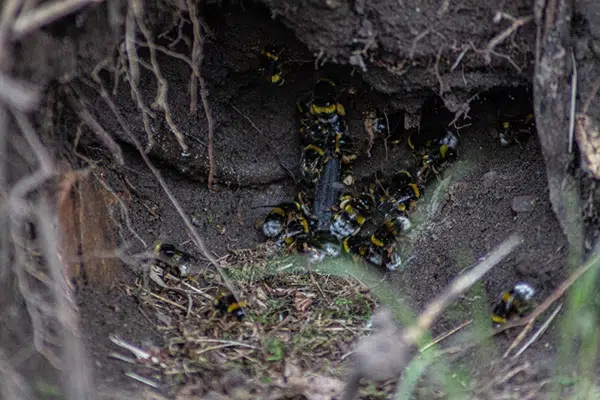
Safer Community Spaces
Reduced pesticide use, protected ground cover, and public education make gardens and landscapes more welcoming.
Three-Part Initiative
Study, Build, Monitor, and Share
Our restoration work combines species knowledge with practical nesting projects and transparent community learning.
Study the Species
Observe where bumblebees forage and nest, document the species present, and learn the local conditions each population needs.
Build Nesting Habitat
Create purpose-built Bumbleboxes with pollinator health, safe materials, seasonal conditions, and placement in mind.
Monitor and Share Results
Track colony activity and health, respond to problems, and share what we learn with students, educators, and conservation partners.
Every Gift Helps Save Bumblebees
Support Bumblebee Restoration
Choose $25, $50, or $100 in monthly restoration support, or make a one-time program gift in the secure form below.
A Story Worth Sharing
A Wingless Bumblebee Finds a Safe Home
Stories can make conservation personal. Ruby, a wingless bumblebee rescued by Shay and Michael, became an unexpected ambassador for empathy and care.
Small Acts Can Change How People See Pollinators
After finding Ruby walking beside a road, the couple brought her home so she could remain safe while she recovered. Her story introduced a wide audience to the individuality and vulnerability of native bees.
Not every wild bee should be handled, but the lesson is powerful: paying attention to pollinators can lead to more thoughtful choices about habitat, pesticide use, and the spaces we share.
Regional Focus
Bumblebee Diversity in Texas and Oklahoma
Regional observations help us understand local forage, nesting preferences, and the challenges different species face.
Common and American Bumblebees
Common Eastern and American bumblebees are important widespread pollinators, but local abundance and habitat needs vary.
Southern Plains and Brown-Belted Bumblebees
These native species use diverse open habitats and benefit from season-long forage and protected nesting areas.
Two-Spotted and Hunt’s Bumblebees
Distinctive markings help with identification while repeated observations reveal when and where they are active.
Black-and-Gold and Nevada Bumblebees
Documenting regional records strengthens the baseline information needed for thoughtful conservation planning.
How You Can Help
Build Habitat, Share the Message, Support the Work
Plant native flowers, protect undisturbed nesting spaces, reduce pesticide use, volunteer, and help fund restoration.
Protect Native Pollinators
Help Bumblebees Find Food, Shelter, and a Future
Your support expands practical nesting habitat, community learning, and restoration work.