
CURIOSIDAD QUE CREA MAYORDOMOS
Educación sobre abejas: Aprende cómo los polinizadores moldean nuestro mundo
La educación atractiva sobre las abejas ayuda a los estudiantes a comprender la polinización, la biodiversidad, las colonias de abejas melíferas, las abejas nativas, el hábitat y las decisiones que las personas pueden tomar para protegerlas.
POR QUÉ IMPORTA LA EDUCACIÓN SOBRE LAS ABEJAS
Pequeños polinizadores abren grandes interrogantes
Las abejas conectan la biología, la agricultura, la ecología, el clima, los sistemas alimentarios y la responsabilidad comunitaria. Ofrecen a los estudiantes un punto de entrada familiar a sistemas naturales complejos.
Los programas sólidos distinguen a las abejas melíferas domesticadas de los miles de especies de abejas nativas y reemplazan el miedo o los mitos con una observación cuidadosa y evidencia.

RESULTADOS DE APRENDIZAJE
Lo que los estudiantes pueden descubrir
Polinización
Sigue cómo se mueve el polen y por qué importa la reproducción de las plantas.
Diversidad de abejas
Compare las abejas melíferas, los abejorros, las abejas del sudor y otras abejas nativas.
Vida en la colonia
Explora obreras, zánganos, abejas reinas, la comunicación y el cambio estacional.
Mayordomía
Conecte el hábitat, la selección de pesticidas y la acción comunitaria con la salud de las abejas.
DISEÑO DE PROGRAMAS
Una gran experiencia de aprendizaje incluye
Objetivos de aprendizaje claros
Las actividades se conectan con conceptos científicos adecuados para la edad y resultados observables.
Participación segura
Los programas usan límites claros, concientización sobre alergias y materiales supervisados.
Lenguaje preciso
Los estudiantes distinguen entre hechos, incertidumbres y conceptos erróneos comunes.
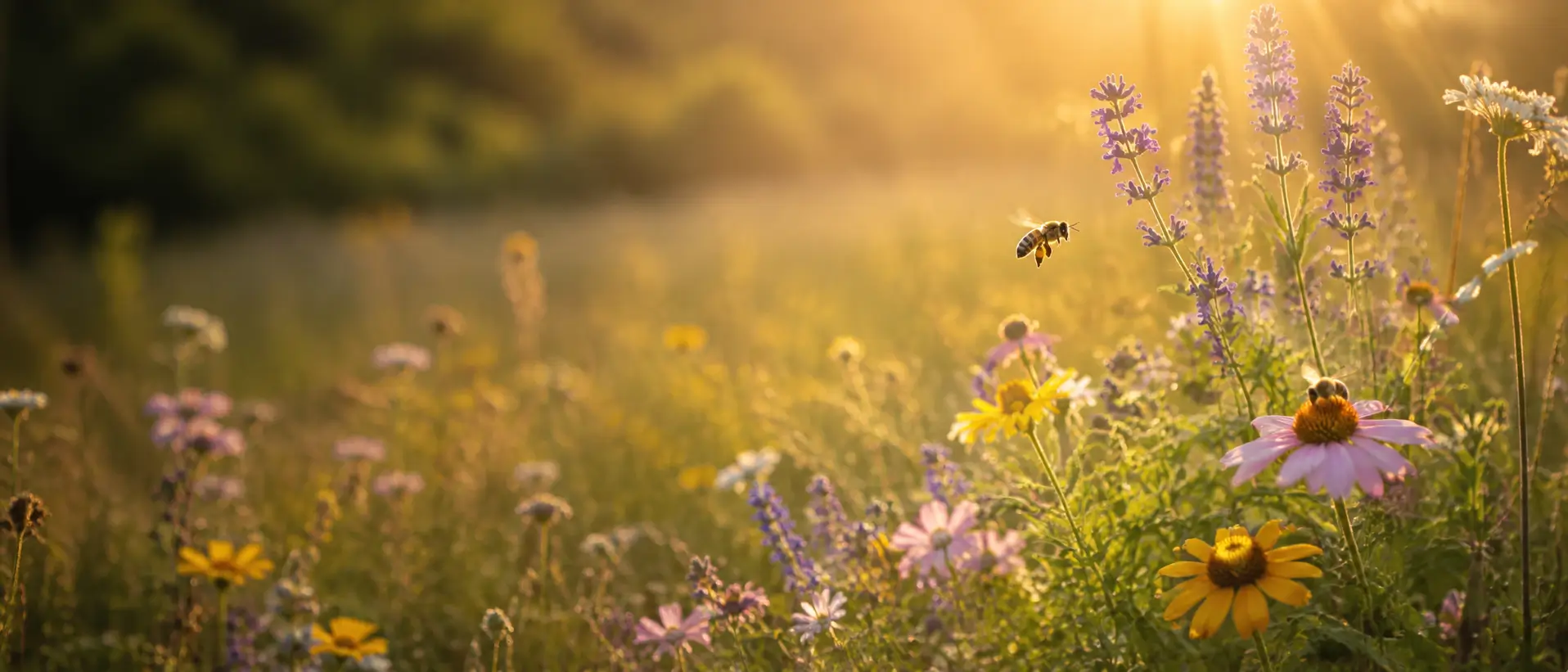
DE LA CURIOSIDAD A LA ACCIÓN
Transforma el aprendizaje en mayordomía de polinizadores
La educación se vuelve memorable cuando los estudiantes pueden aplicar lo que descubren. Una simple investigación de hábitat o un plan de siembra puede convertir una sola lección en un compromiso a largo plazo.
- Mapear flores que florecen alrededor de una escuela o casa
- Compara las necesidades de nidificación de las abejas melíferas y las abejas nativas
- Crear recomendaciones de plantación seguras para polinizadores
- Comparta pautas de seguridad para abejas basadas en evidencia
PREGUNTAS FRECUENTES DEL PROGRAMA
Preguntas que hacen los educadores y las familias
¿Qué edades pueden participar?
La educación sobre las abejas se puede adaptar desde la primaria temprana hasta audiencias adultas cambiando el vocabulario, la profundidad y el diseño de las actividades.
¿Los programas requieren abejas vivas?
No. Las fotos, los modelos, los especímenes, los videos y las investigaciones de hábitat pueden proporcionar un aprendizaje significativo sin abejas vivas.
¿Las abejas melíferas son el único enfoque?
No. Los programas sólidos incluyen abejas nativas y explican en qué se diferencian su biología y sus necesidades de conservación.
¿Cómo se deben tratar las alergias?
Las escuelas y los líderes de programas deben seguir sus procedimientos establecidos de salud, emergencia y accesibilidad.
EDUCA A LA PRÓXIMA GENERACIÓN
Ayude a los jóvenes a comprender y proteger a los polinizadores
La educación reflexiva sobre las abejas conecta la ciencia, la observación, el hábitat y la acción comunitaria significativa.