
CABEZA, CORAZÓN, MANOS Y SALUD
Programas apícolas de 4-H: Ciencia práctica y liderazgo juvenil
Los proyectos de abejas pueden ayudar a la juventud de 4-H a desarrollar conocimientos científicos, habilidades de mantenimiento de registros, comunicación, responsabilidad y liderazgo comunitario.
APRENDE HACIENDO
Los proyectos con abejas se adaptan al modelo de aprendizaje de 4-H
Los jóvenes pueden investigar la polinización, las abejas nativas, la biología de las abejas melíferas, el hábitat, los sistemas alimentarios, la apicultura, los datos y la educación pública a través de proyectos de complejidad progresiva.
Los proyectos deben coincidir con la experiencia de los participantes, los recursos locales, la orientación de Extensión y la disponibilidad de adultos mentores calificados.

RESULTADOS DE APRENDIZAJE
Lo que los estudiantes pueden descubrir
Conocimiento
Desarrollar una comprensión precisa de las abejas, las plantas y los ecosistemas.
Mantenimiento de registros
Registrar observaciones, gastos, actividades, resultados y reflexión.
Comunicación
Crear demostraciones, charlas, exhibiciones o educación comunitaria.
Liderazgo
Planificar proyectos, ser mentor de colegas y atender las necesidades de los polinizadores locales.
DISEÑO DE PROGRAMAS
Una gran experiencia de aprendizaje incluye
Aprendizaje progresivo
Los proyectos crecen desde la observación básica hasta la investigación avanzada o la gestión.
Mentoría calificada
Adultos con experiencia apoyan la seguridad, el cuidado de los animales y las decisiones sensatas.
Compartir públicamente
La juventud explica la evidencia, el proceso, los resultados y las lecciones aprendidas.
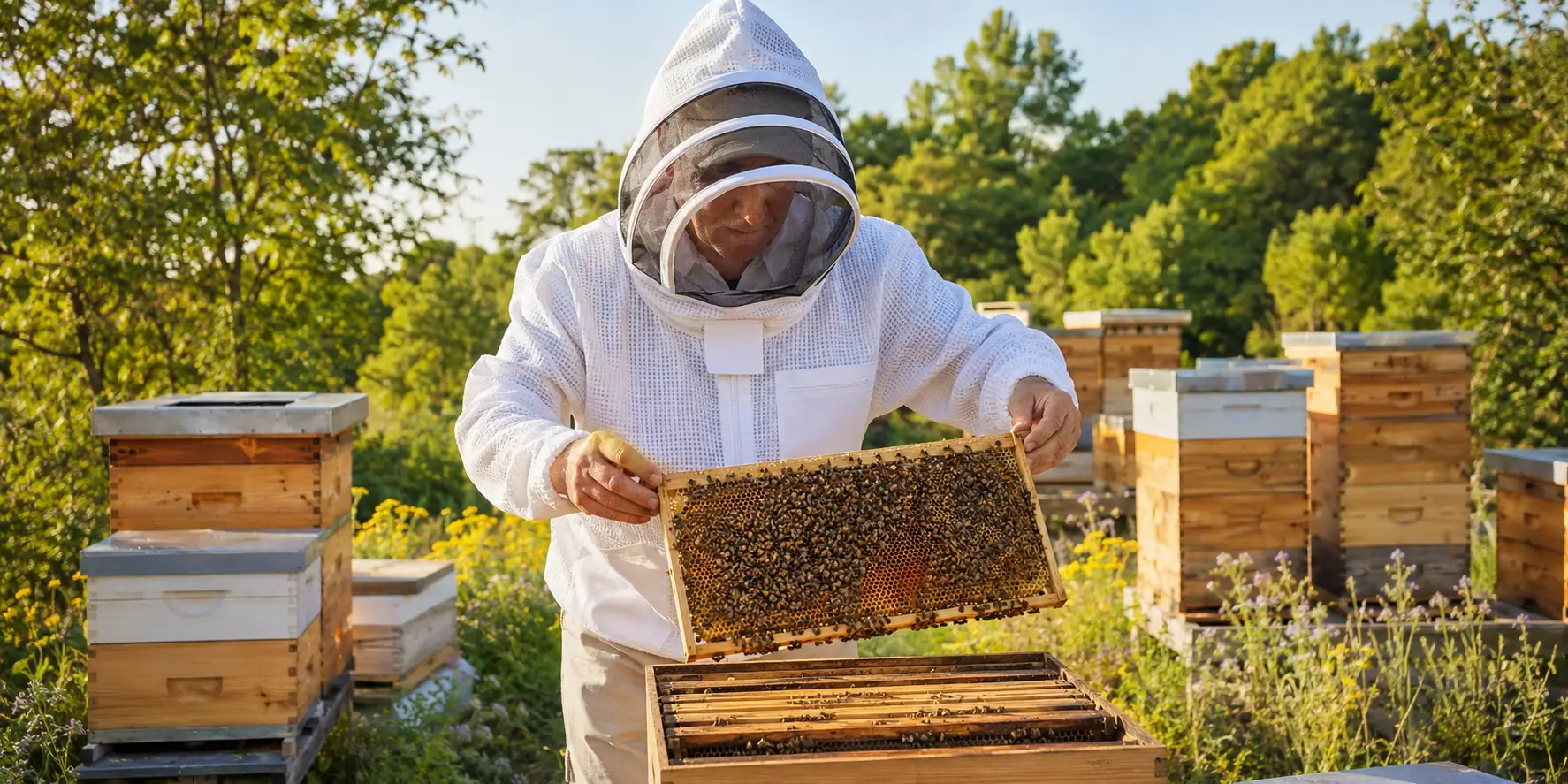
DE LA CURIOSIDAD A LA ACCIÓN
Transforma el aprendizaje en mayordomía de polinizadores
Los jóvenes no necesitan ser dueños de una colmena para completar un proyecto significativo sobre abejas. El hábitat, la observación de abejas nativas, los estudios de polinización, la divulgación, la fotografía y los proyectos de datos ofrecen muchos puntos de entrada.
- Llevar un registro detallado del proyecto
- Entrevistar a un apicultor, agricultor o educador de Extensión
- Comparar la visita de polinizadores entre tipos de flores
- Diseñar un proyecto de educación comunitaria o servicio al hábitat
PREGUNTAS FRECUENTES DEL PROGRAMA
Preguntas que hacen los educadores y las familias
¿Todo proyecto de abejas de 4-H requiere una colmena?
No. Muchos proyectos valiosos se centran en las abejas nativas, el hábitat, la polinización, los datos, la fotografía, la comunicación o el servicio.
¿Dónde deben encontrar las familias los requisitos oficiales?
Utilice los materiales y la orientación actuales del programa de Extensión Cooperativa y 4-H del estado o condado correspondiente.
¿Los jóvenes pueden manejar abejas vivas?
Solo dentro de una actividad aprobada y adecuada para la edad con supervisión calificada, equipo de protección y planificación de seguridad.
¿Qué debe incluir un registro de proyecto?
Metas, fechas, actividades, observaciones, datos, gastos, fotos donde se permita, resultados, desafíos y reflexión.
EDUCA A LA PRÓXIMA GENERACIÓN
Ayude a los jóvenes a comprender y proteger a los polinizadores
La educación reflexiva sobre las abejas conecta la ciencia, la observación, el hábitat y la acción comunitaria significativa.