
Observation Hive Grant Program
Bring Live Pollinator Education Into Classrooms Nationwide
Save The Bees USA awards observation hive kits and educational support to qualified beekeepers serving schools and community programs nationwide.
Program Overview
Observation Hive Grant Program
Now accepting applications nationwide from beekeepers and organizations ready to bring safe, hands-on pollinator education to young people.
Equip Local Educators to Teach With Living Science
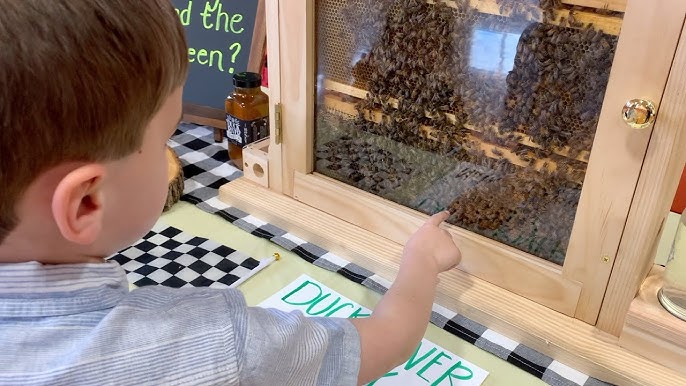
Selected beekeepers receive an observation hive kit and education resources they can use for short-duration classroom and community demonstrations.
We welcome applicants serving K–12 schools, community colleges, homeschool groups, 4-H/FFA, Scouts, libraries, nature centers, and other youth programs.
A school or community letter of intent is encouraged but not required. Strong applications show a clear audience, practical education plan, and commitment to responsible hive use.
What Selected Educators Receive
A Practical Kit for Pollinator Learning
Observation Hive Kit
A one-frame secure hive designed for teaching and short-duration demonstration use.
Teaching Materials
Age-appropriate lesson outlines, handouts, safety guidance, question prompts, and a simple slide deck.
Student Resources
Save The Bees USA stickers and materials that help young people remember and share what they learned.
Eligibility
Who Should Apply
The program is designed for applicants who combine beekeeping experience with a genuine interest in youth education.
Active Beekeepers
All experience levels are welcome when the applicant can demonstrate responsible colony management and a desire to teach.
Youth Access
Individuals, clubs, and nonprofits should have access to schools, libraries, youth groups, nature centers, or similar audiences.
Two Education Sessions
Applicants must be able to coordinate at least two youth education sessions within 12 months.
A Clear Engagement Plan
Priority is given to applicants with a school or youth-group letter and a practical plan such as a science demonstration, STEM night, or library talk.
Grant Application
Tell Us About Your Beekeeping and Education Plan
Complete the application below. Be ready to share your experience, youth-teaching background, proposed audience, and plan for using the observation hive.
Beekeeper Responsibilities
- Lead workshops and demonstrations for students.
- Use observation hives to show how colonies operate.
- Explain bee health, pollination, and conservation.
- Engage respectfully with students, teachers, and school staff.
Helpful Qualifications
- Practical beekeeping and colony-management experience.
- Strong communication and presentation skills.
- A passion for youth education and conservation.
- Relevant education or environmental background is helpful but optional.
Grant Application Form
Fields marked with an asterisk are required.
Grant Details
What Is Included—and What Is Not
Included
- One-frame observation hive kit for classroom or demonstration use.
- Printed and digital teaching materials on bee biology, pollination, safety, and student questions.
- Stickers, slide resources, and handouts.
Not Included
- Live bees or nucleus colonies.
- Stipends, travel, or speaker honoraria.
- Protective gear, smokers, or beekeeping tools.
Observation hives are for short-duration demonstrations and must not be maintained as permanent indoor colonies.
Program Stewardship
Your Commitment If Selected
Teach
Deliver at least two youth education sessions within 12 months.
Operate Safely
Follow local regulations, use appropriate PPE, and do not allow students to handle live bees.
Share the Impact
Provide a short recap, two or three permission-cleared photos, and at least one public update acknowledging Save The Bees USA when feasible.
School Partnerships
Strengthen Your Application With a Letter of Intent
A letter from a school or community partner is optional, but it helps demonstrate a ready audience and shared commitment.
What the Letter Should Include
- A brief introduction to the school or organization.
- The expected educational benefits and audience.
- Relevant science, environment, or youth programs.
- How the organization will support workshops and logistics.
- Contact information for the program coordinator.
Download the Sample
Use the example as a starting point, then adapt it to the goals, students, and resources of your organization.
School Letter of IntentAnswers Before You Apply
Frequently Asked Questions
Do I need a confirmed school?
No. A letter of intent is encouraged and may strengthen the application, but it is not required.
Are live bees included?
No. The grant supplies the observation hive kit and teaching resources, not bees or a nucleus colony.
Can a bee club apply?
Yes. Clubs and nonprofits may apply when they identify responsible educators and a clear youth audience.
Are travel or speaker fees covered?
No. Stipends, travel, and honoraria are not included in the grant.
Is there a deadline?
Applications are accepted year-round and reviewed monthly while supplies last.
Can the hive stay indoors permanently?
No. Observation hives are intended for short-duration, responsibly supervised demonstrations.
Now Accepting Applications
Ready to Bring Pollinator Education to Young People?
Applications are reviewed monthly while kits and program resources remain available.
Turn Experience Into Education
Help Students Discover the Living Science of Bees
Apply to become a local pollinator educator or support the programs that place observation hives in front of young learners.