
Expand Pollinator Habitat
Restaurar el hábitat de los polinizadores
Create lasting food, water, shelter, and nesting opportunities for bees, butterflies, and other pollinators where you live, work, and learn.
Small Spaces. Lasting Impact.
Pollinators Need Connected Places to Live
Habitat loss removes the flowers, nesting areas, clean water, and seasonal shelter pollinators need. Restoring those essentials—even in a backyard, schoolyard, balcony, business landscape, or community park—helps reconnect the places they depend on.
Every Restored Space Becomes Part of the Solution
Native meadows, prairies, forests, wetlands, and flowering landscapes continue to be replaced by roads, buildings, parking lots, intensive agriculture, and large areas of turf grass. Pollinators must then travel farther to find food and safe nesting sites.
Habitat restoration does not require hundreds of acres. A few containers of native flowers, a pesticide-free garden bed, an unmowed corner, or a school planting can provide meaningful resources.
When many people improve small spaces, those places form a growing network of habitat across neighborhoods and communities.

The Habitat Essentials
Four Things Every Pollinator Habitat Needs
A healthy habitat supports the complete life cycle of bees, butterflies, moths, beetles, hummingbirds, and other pollinators.
Food Through the Seasons
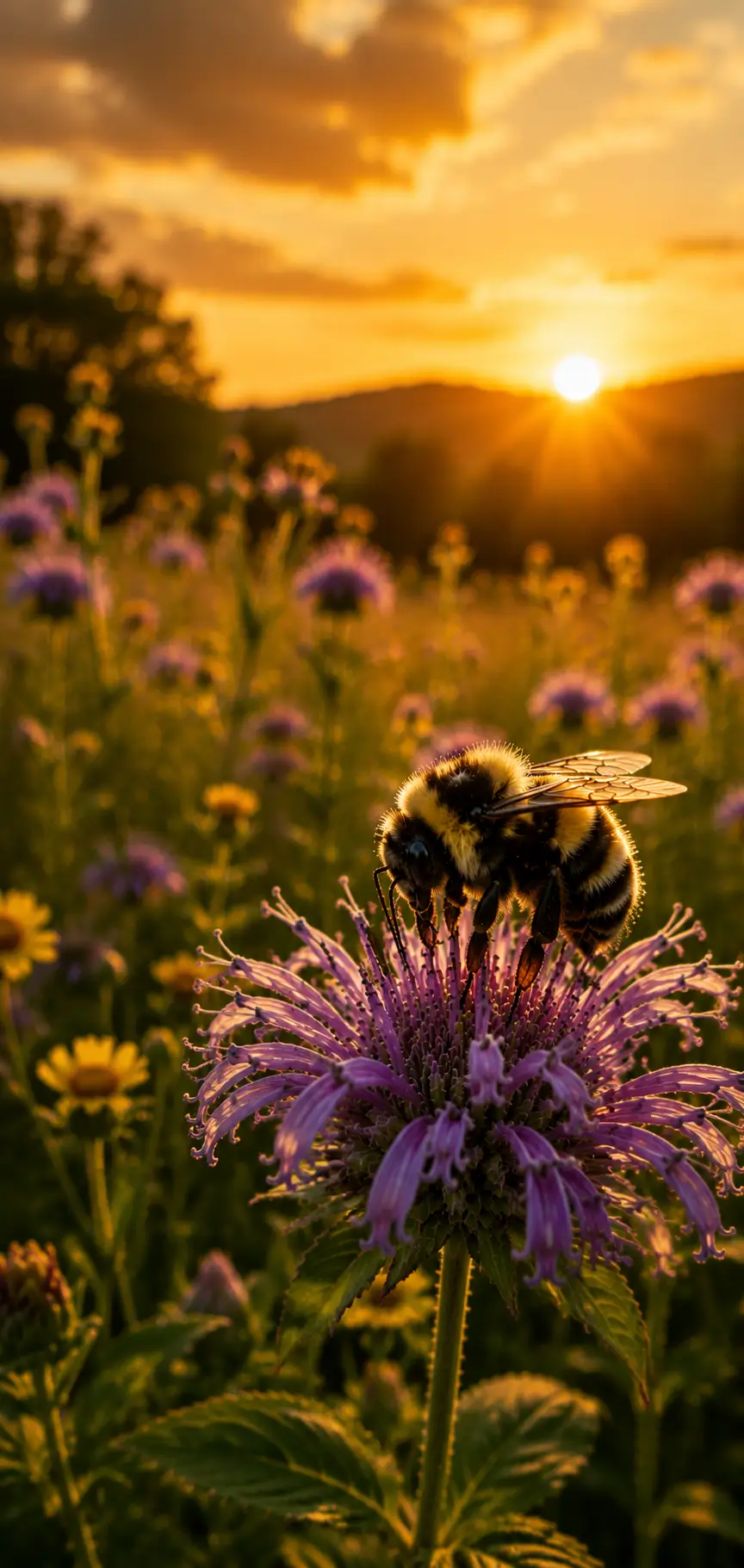
Plant a diverse mix of nectar- and pollen-rich species that bloom from early spring through late fall. Native plants are especially valuable because local pollinators evolved alongside them.
Safe Nesting Sites
Most native bees do not live in hives. Leave patches of bare soil, hollow stems, dead wood, natural cavities, and undisturbed vegetation for ground- and cavity-nesting species.
Clean, Shallow Water
Provide a shallow dish, birdbath, or natural water source with stones or landing places. Refresh standing water regularly so pollinators can drink safely.
Year-Round Shelter
Native grasses, shrubs, trees, leaf litter, and standing stems protect pollinators from harsh weather and provide places to rest and overwinter.
Why Habitat Is Disappearing
The Landscape Is Becoming Harder to Navigate
Pollinator habitat is often lost a little at a time. Understanding the main pressures makes it easier to choose practical, local solutions.

Development and Fragmentation
Roads, buildings, parking areas, and turf grass divide natural landscapes into smaller, isolated spaces with fewer food and nesting resources.

Intensive Land Management
Large monocultures, frequent mowing, removal of natural edges, and overly tidy landscapes reduce plant diversity and seasonal shelter.
Pesticides and Climate Stress
Pesticide exposure, extreme weather, and shifts in bloom timing can reduce food availability and make fragmented habitat even harder for pollinators to use.
Restore Habitat Step by Step
Start With the Space You Have
The best habitat project is one that is manageable, pesticide-conscious, and able to provide resources across more than one season.
Observe and Plan
Notice sun, shade, drainage, existing plants, and available nesting areas. Choose a project size you can maintain well.
Plant for Continuous Bloom
Combine spring, summer, and fall bloomers in groups that pollinators can easily see and use. Favor regionally appropriate native plants.
Protect Nesting Habitat
Keep some soil bare, leave stems through winter, retain leaf litter in selected areas, and avoid unnecessary disturbance.
Reduce Chemical Use
Use prevention and targeted, least-toxic methods first. Never spray flowering plants while pollinators are actively visiting them.
Add Safe Water
Offer a shallow, clean source with secure landing places and maintain it through hot, dry weather.
Maintain With Nature
Allow some seed heads, stems, leaves, and natural structure to remain so habitat continues working beyond the growing season.
Habitat Can Grow Anywhere
Choose an Approach That Fits Your Place
Homes, schools, farms, businesses, and public spaces can all provide meaningful habitat when the essentials are present.

Backyards, Balconies, Schools, and Community Spaces
At home: replace part of a lawn with flowering plants, add native shrubs, or create a container garden.
At school: combine a teaching garden with observation, seasonal stewardship, and hands-on science.
At work: convert decorative beds, unused corners, or stormwater areas into useful pollinator habitat.
Across communities: connect parks, roadsides, farms, campuses, and neighborhood gardens so pollinators can move between resources.
Take One Useful Step
Begin Restoring Habitat Today
Plant one native species, leave one nesting area undisturbed, reduce one pesticide use, or invite one school or neighbor to join you. Small actions become powerful when they spread.
Create a Place for Pollinators
Turn Your Landscape Into Living Habitat
Help restore the food, nesting sites, water, and shelter pollinators need—and inspire others to do the same.