
SEE COLONY LIFE UP CLOSE
Classroom Observation Hives: Safe, Structured Bee Learning
A properly designed and responsibly managed observation hive can make honey bee behavior visible while keeping student safety and colony welfare at the center.
A SPECIALIZED EDUCATION TOOL
Observation Hives Require Planning and Expertise
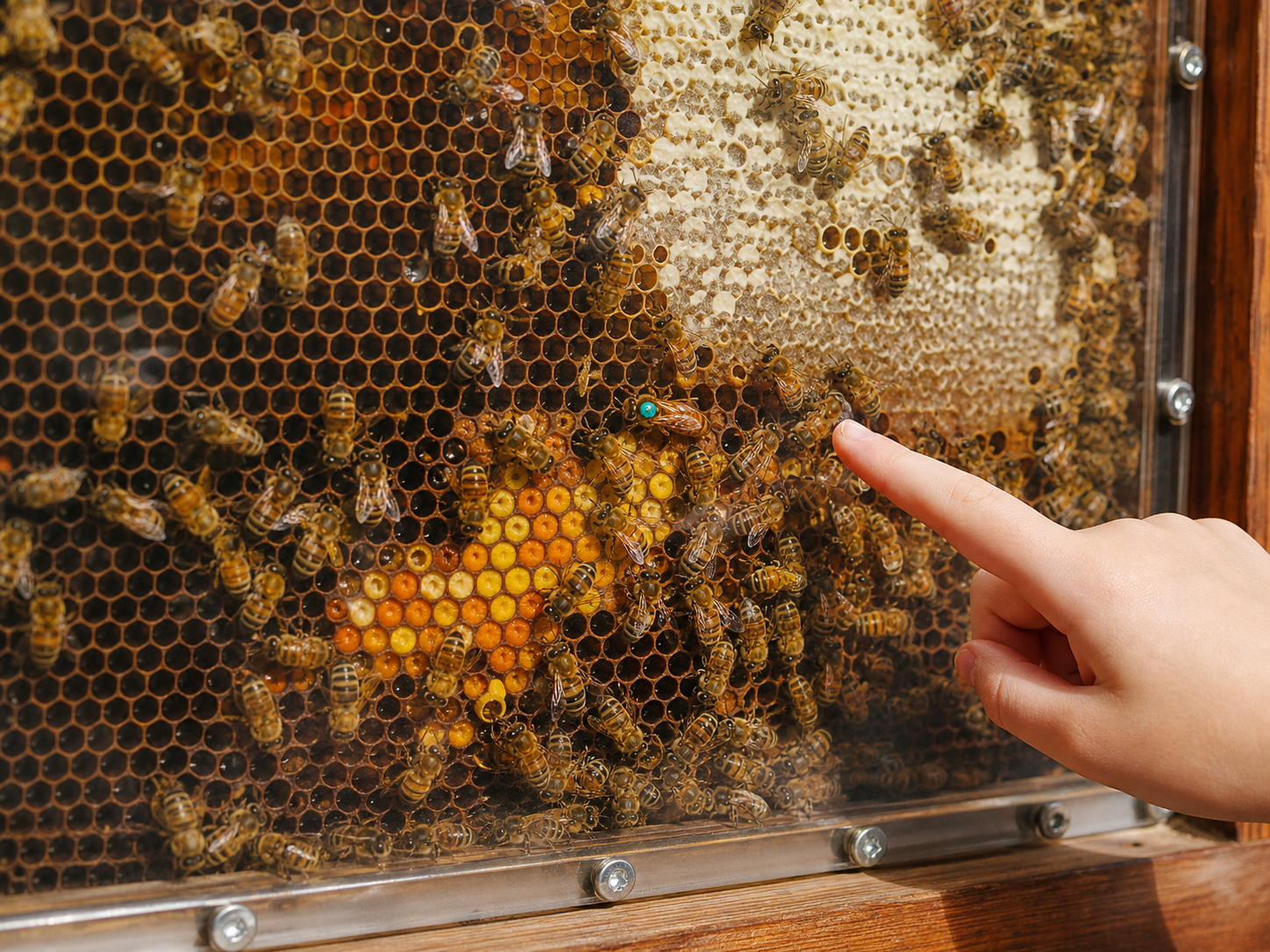
Classroom observation hives are enclosed viewing systems that allow learners to see comb, workers, brood, food storage, communication, and sometimes the queen.
They are not ordinary display cases. Installation, ventilation, bee access, structural security, colony management, supervision, and emergency planning require experienced oversight.
LEARNING OUTCOMES
What Learners Can Discover
Colony Roles
Identify workers, drones, and the queen when visible.
Comb Use
Observe brood areas, pollen, nectar, honey, and wax structure.
Communication
Look for movement, food exchange, and collective behavior.
Seasonal Change
Compare colony activity and resources across the year.
PROGRAM DESIGN
A Strong Learning Experience Includes
Secure Design
Bee-tight construction, protected exits, ventilation, and controlled access.
Colony Stewardship
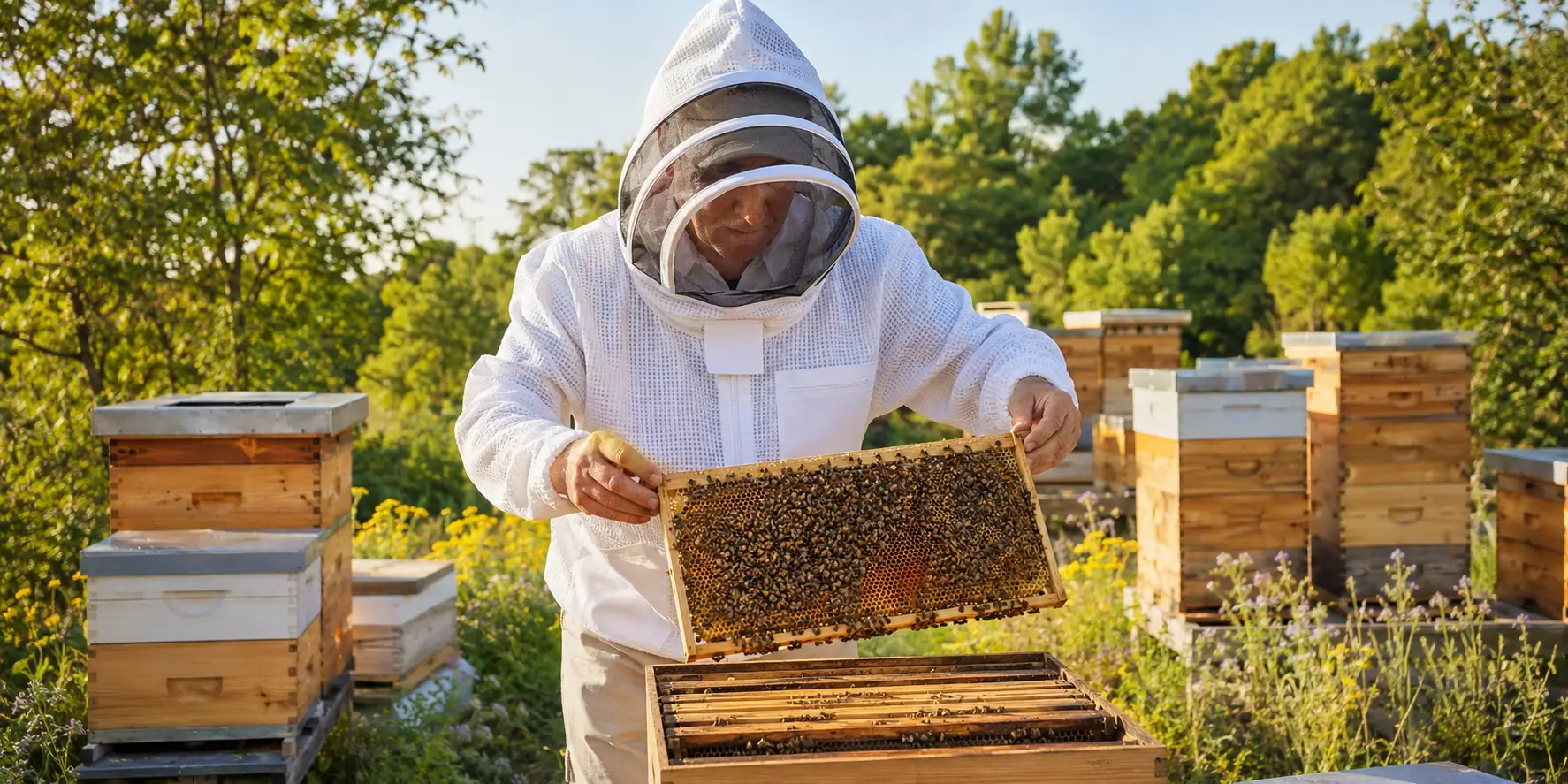
Regular inspections and clear plans for health, feeding, swarming, and removal.
Learning Protocols
Structured viewing, group limits, accessibility, and observation questions.
FROM CURIOSITY TO ACTION
Turn Learning Into Pollinator Stewardship
Observation-hive learning should connect what students see with broader pollinator ecology. The colony can inspire questions, while outdoor habitat shows where bees find food and how people influence their environment.
- Use observation journals rather than tapping or disturbing the hive
- Track visible pollen colors and seasonal bloom
- Compare honey bee colonies with solitary native bee nesting
- Schedule regular professional maintenance and documentation
PROGRAM FAQ
Questions Educators and Families Ask
Are observation hives safe for classrooms?
They can reduce direct contact when professionally designed and managed, but schools still need formal safety, allergy, emergency, and supervision plans.
Do bees fly inside the classroom?
A correctly installed hive uses a secure enclosed passage to the outdoors. Indoor bee escape indicates a problem requiring immediate professional attention.
Can the hive remain year-round?
That depends on design, climate, colony needs, school schedule, and professional management.
Who maintains the colony?
An experienced beekeeper or qualified program provider should be clearly responsible for inspections, records, health decisions, and emergency response.
EDUCATE THE NEXT GENERATION
Help Young People Understand—and Protect—Pollinators
Thoughtful bee education connects science, observation, habitat, and meaningful community action.