
Protección de las abejas en todo América
Protege a las abejas. Restaura el hábitat. Fortalece nuestro futuro.
Las abejas melíferas y las abejas nativas sustentan a las granjas, los jardines, las flores silvestres y los ecosistemas saludables. Conozca qué las amenaza y cómo la acción práctica puede ayudar.
Por qué importa la protección
Las abejas conectan las flores, los alimentos y los paisajes saludables
Las abejas trasladan polen entre las flores, lo que ayuda a las plantas a reproducirse y producir semillas, frutos y nuevos crecimientos. Protegerlas apoya tanto a la agricultura comercial como a las comunidades de plantas nativas de las que depende la vida silvestre.
La conservación de las abejas incluye a más que las abejas melíferas
Las abejas melíferas manejadas son importantes polinizadores agrícolas, pero son solo una parte de una comunidad mucho más amplia. Los abejorros, las abejas albañilas, las abejas cortadoras de hojas, las abejas mineras, las abejas de las calabazas, las abejas de la sudoración y muchas otras especies nativas también realizan una polinización esencial.
Cada especie tiene diferentes necesidades de nidificación, alimentación y estacionales. La conservación eficaz protege diversas flores, agua limpia, suelo sano, materiales para nidos y un hábitat seguro durante todo el año.
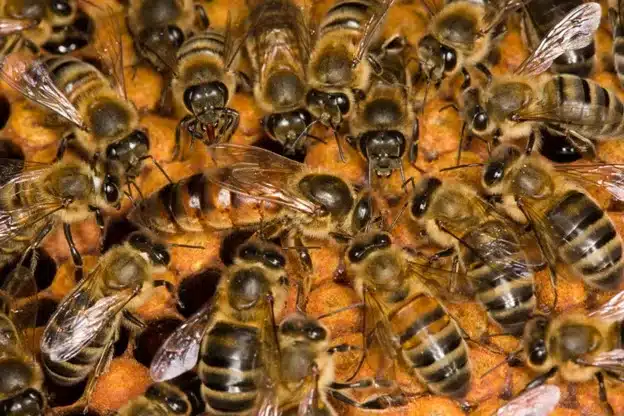
Presiones que enfrentan los polinizadores
Las mayores amenazas a menudo trabajan juntas
La pérdida de hábitat, el forraje limitado, la exposición a plaguicidas, los extremos climáticos, las plagas y las enfermedades pueden superponerse, dejando a las abejas con menos recursos y menor resiliencia.
Pérdida de hábitat
El desarrollo, la siega intensiva y los paisajes simplificados eliminan las flores, los sitios de anidación, el refugio y los espacios conectados que las abejas necesitan.
Exposición a pesticidas
Los insecticidas y las aplicaciones mal sincronizadas pueden dañar directamente a las abejas, contaminar el forraje y debilitar su capacidad para orientarse y reproducirse.
Brechas de nutrición
Las abejas necesitan una floración superpuesta desde principios de la primavera hasta el otoño. Los largos periodos sin néctar y polen diversos generan un estrés grave.
Plagas, enfermedades y clima
Los ácaros Varroa y las enfermedades amenazan a las colonias manejadas, mientras que la sequía, el calor, las inundaciones y el cambio de estaciones perturban el forrajeo y la anidación.
Protección Práctica
Seis maneras de ayudar a las abejas donde vives
Las decisiones pequeñas y constantes se convierten en conservación significativa cuando los hogares, las escuelas, las granjas, las empresas y las comunidades actúan juntos.
Plante flores nativas
Elija plantas locales apropiadas con diferentes colores, formas y periodos de floración para que las abejas tengan alimento durante toda la temporada de crecimiento.
Reduzca el riesgo de pesticidas
Use primero la prevención y los controles no químicos. Cuando el tratamiento sea necesario, siga la etiqueta y evite rociar flores o abejas activas.
Proteja los lugares de anidación
Deje algo de suelo desnudo, tallos huecos, hojarasca, madera muerta y rincones sin alterar para las abejas nativas que anidan en el suelo y en cavidades.
Proporcionar agua limpia
Ofrezca agua poco profunda con piedras o superficies de apoyo, cámbiela regularmente y evite que el agua estancada se convierta en un hábitat de mosquitos.
Apoye a los apicultores responsables
Aprende cómo se monitorean, alimentan y protegen las colmenas manejadas contra ácaros y enfermedades, al mismo tiempo que se respetan los polinizadores nativos de los alrededores.
Enseñar y Defender
Comparte información precisa, apoya los espacios públicos favorables para los polinizadores y ayuda a las escuelas y a los vecinos a tomar medidas prácticas de conservación.
Protección a través de la acción
Explorar los programas de Save The Bees USA
Nuestros programas conectan la educación sobre polinizadores, la restauración de hábitats, la apicultura responsable y la conservación comunitaria.
Restaurar el hábitat de los polinizadores
Cree oportunidades duraderas de alimento, refugio y anidación para las abejas y otros polinizadores.
Apoye a los apicultores responsables
Fortalezca la salud de la colonia mediante la observación, la educación y el manejo informado de la colmena.
Educar a la próxima generación
Ayuda a los estudiantes y a las comunidades a comprender a las abejas, la polinización y la conservación.
Expandir la conservación de polinizadores
Convierte la conciencia en acción local que apoye paisajes más saludables en todo el continente americano.
Cada acción construye hábitat
Ayuda a las abejas a prosperar en tu comunidad
Planta un jardín para polinizadores, apoya un programa escolar, patrocina una colmena o ayuda a financiar labores de conservación que llegan a comunidades en todo Estados Unidos.
Protege a los polinizadores hoy
Las poblaciones sanas de abejas comienzan con lugares sanos
Ayude a ampliar el hábitat de los polinizadores, la educación práctica, la apicultura responsable y la conservación comunitaria en toda América.