
PROTECT POLLINATOR WELL-BEING
Bee Health: Protecting Colonies and Pollinator Communities
Bee health depends on nutritious forage, safe habitat, responsible pest management, careful monitoring, and decisions grounded in evidence.
A WHOLE-SYSTEM VIEW
What Does Bee Health Mean?
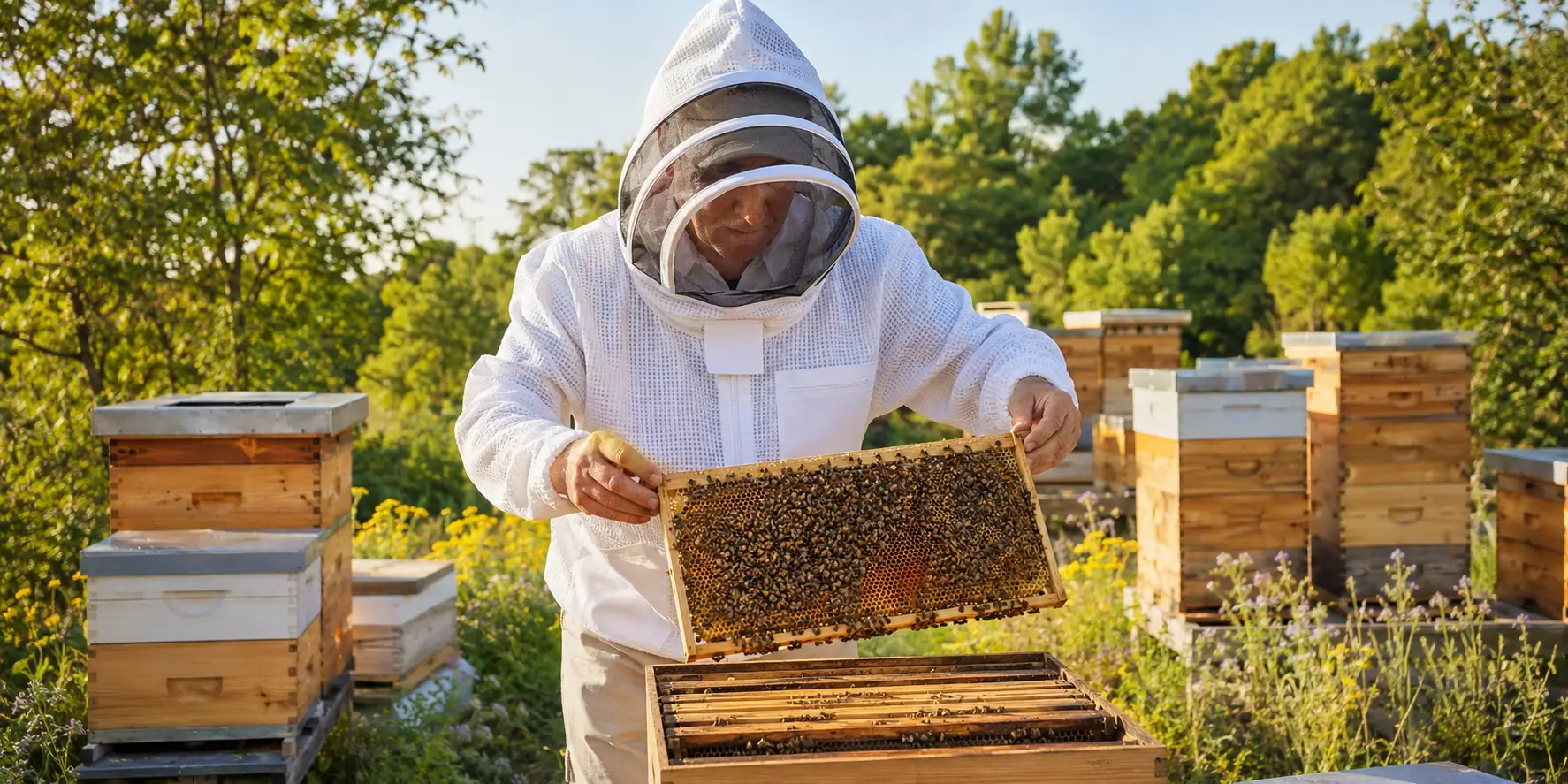
Healthy bees are able to find diverse food, reproduce, resist or recover from stress, and complete their ecological roles. For managed honey bee colonies, health also includes balanced populations, appropriate brood development, adequate food stores, and manageable pest and disease pressure.
Bee health is not determined by a single symptom. Habitat loss, poor nutrition, parasites, pathogens, pesticide exposure, extreme weather, and management practices can combine and amplify one another.
CONNECTED PRESSURES
Seven Factors That Shape Bee Health
Nutrition
Diverse pollen and nectar provide energy, protein, fats, vitamins, and minerals.
Habitat
Continuous bloom, nesting resources, clean water, and shelter support resilience.
Parasites
Varroa mites are a major threat to managed honey bee colonies and can spread viruses.
Disease
Viruses, bacteria, fungi, and microsporidia can affect individuals and colonies.
Pesticides
Exposure risk depends on toxicity, dose, timing, route, and interaction with other stressors.
Climate
Heat, drought, storms, and shifting bloom times can disrupt food and nesting conditions.
Management
Hive placement, stocking, transport, treatment, feeding, and recordkeeping influence outcomes.
OBSERVE, RECORD, RESPOND
A Responsible Bee Health Monitoring Cycle
Inspect
Check brood, queen activity, food stores, population, pests, disease signs, and equipment.
Measure
Use validated monitoring methods rather than guessing from appearance alone.
Record
Document dates, weather, findings, actions, and follow-up needs.
Respond
Choose legal, evidence-based actions appropriate to the season and colony condition.

A MAJOR HONEY BEE THREAT
Varroa Mites: Monitor Before You Treat
Varroa destructor mites feed on developing and adult honey bees and transmit damaging viruses. Colonies can look strong while mite levels are rising, so visual checks alone are not reliable.
- Use a validated mite-count method on an appropriate schedule
- Interpret results using current regional guidance and seasonal context
- Use only legal treatments exactly as labeled
- Rotate compatible controls to reduce resistance pressure
- Verify results after intervention
Integrated pest management combines monitoring, cultural practices, biomechanical controls, and carefully selected treatments.
REDUCE AVOIDABLE EXPOSURE
Practical Pesticide Risk Reduction
Use Prevention First
Choose nonchemical controls when practical and treat only when a documented need exists.
Follow the Label
The pesticide label is the law. Respect rates, timing, weather restrictions, and pollinator precautions.
Communicate
Land managers, growers, applicators, and beekeepers can reduce risk by sharing timing and location information.
FOOD THROUGH THE SEASONS
Nutrition and Habitat Are Health Infrastructure
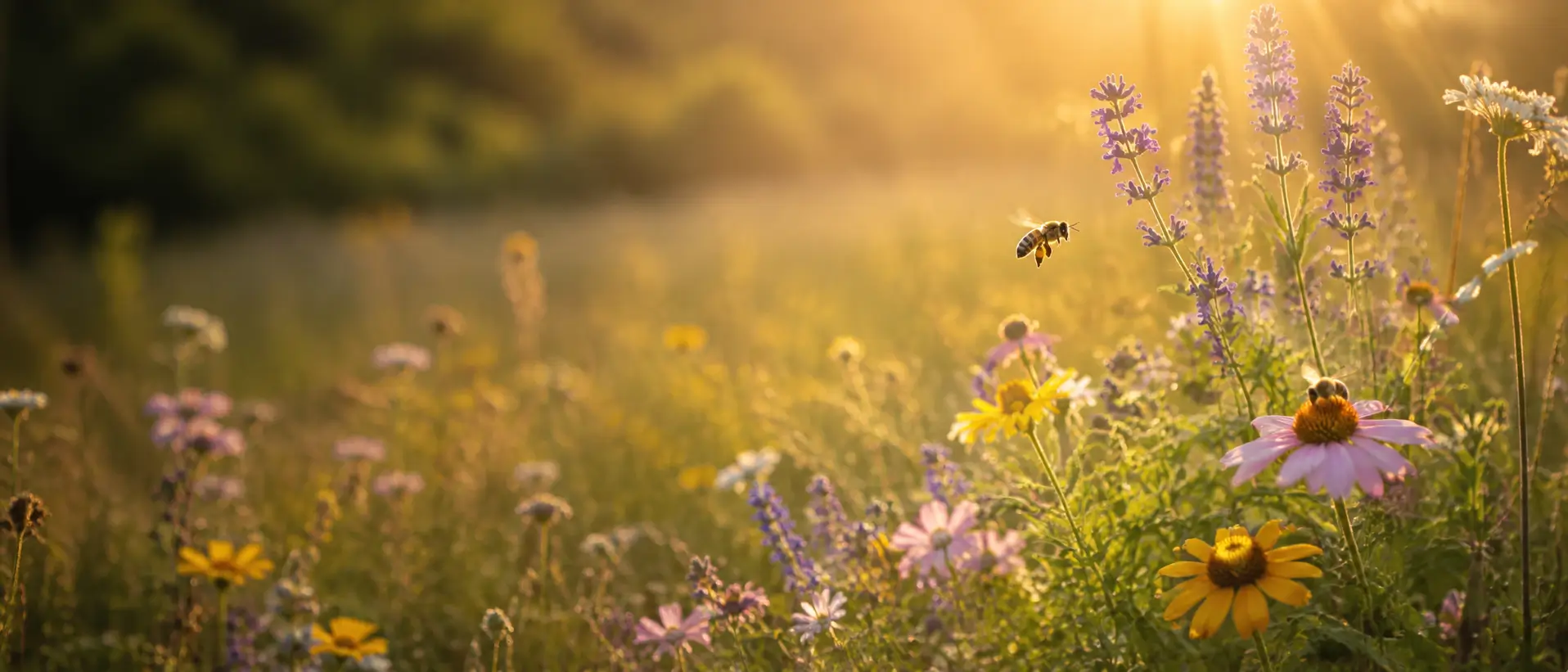
A diverse landscape with overlapping bloom periods helps bees find the carbohydrates and protein they need. Native plants often support a wider range of native bee species while also providing useful forage for honey bees.
- Plant several species that bloom in spring, summer, and fall
- Choose plants suited to local soil, rainfall, and climate
- Provide clean, shallow water with safe landing surfaces
- Leave some stems, leaf litter, and bare soil for native bee nesting
- Avoid unnecessary pesticide use on flowering plants
DIFFERENT BEES, DIFFERENT NEEDS
Honey Bee Health and Native Bee Health
| Managed Honey Bees | Native Bees |
|---|---|
| Live in perennial social colonies managed in hives | Most species are solitary and nest in soil, stems, wood, or cavities |
| Health monitoring includes colony-level brood, food, queen, mite, and disease assessment | Protection focuses strongly on habitat, nesting sites, plant diversity, and exposure reduction |
| Can be moved and concentrated for pollination | Usually remain closely tied to local habitat and seasonal resources |
| Responsible management reduces disease and resource pressure | Conservation requires protecting diverse local species, including sweat bees and other small native bees |
TAKE THE NEXT STEP
Programs That Strengthen Bee Health
Hábitat de polinizadores
Create reliable food and nesting resources through the seasons.
Explore habitat actionBeekeeping
Learn responsible monitoring and colony-care fundamentals.
Learn about beekeeping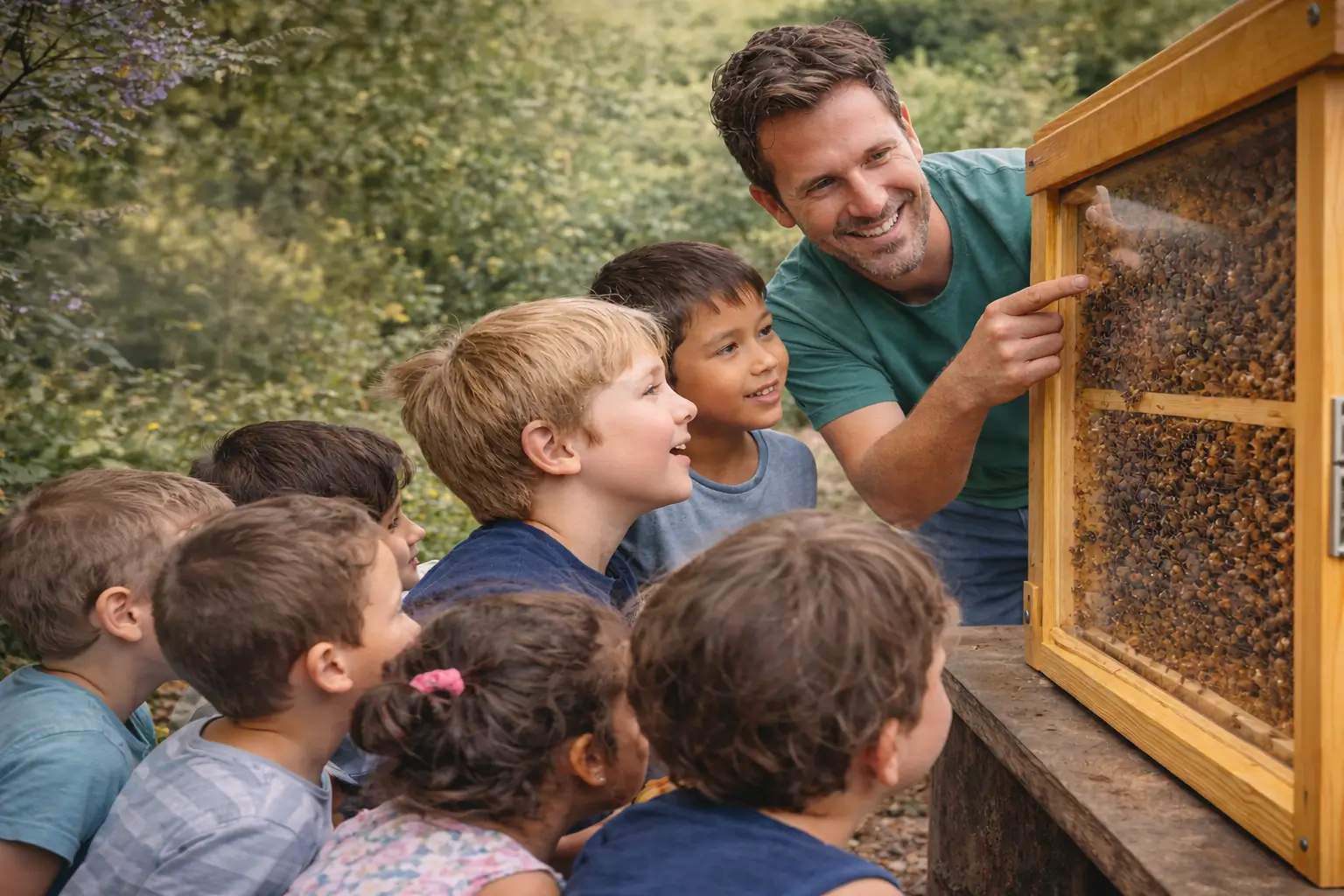
Observation Hives
Turn bee biology into a safe, memorable learning experience.
Explore observation hivesBEE HEALTH FAQ
Common Bee Health Questions
What is the biggest threat to honey bee colonies?
Threats interact, but Varroa mites and the viruses they transmit are among the most serious challenges for managed honey bee colonies.
Can I tell whether a colony is healthy by watching the entrance?
Entrance activity provides clues but cannot replace an appropriate internal inspection and validated pest monitoring.
Are all pesticides equally risky to bees?
No. Risk varies with the active ingredient, formulation, dose, exposure route, timing, weather, and whether plants are blooming.
Does planting flowers really help?
Yes, especially when plantings provide diverse, pesticide-conscious bloom across multiple seasons and include locally appropriate native species.
Should I feed a honey bee colony?
Supplemental feeding can be useful in specific circumstances but is not a substitute for healthy habitat. Decisions should reflect colony need, season, and regional guidance.
How can non-beekeepers support bee health?
Plant diverse flowers, protect nesting habitat, reduce unnecessary pesticide use, support responsible beekeepers, and share evidence-based information.
HEALTH STARTS WITH HABITAT AND RESPONSIBLE CARE
Help Bees Thrive Where You Live
Small, informed actions can improve forage, reduce exposure, and strengthen the people and programs caring for pollinators.