
SUPPORT RESPONSIBLE BEEKEEPERS
Beekeeping Starts With Healthy Bees
Beekeeping is more than owning a hive. It means learning continuously, monitoring colony health, managing pests carefully, respecting neighbors, and protecting the native pollinators that share the landscape.
BEEKEEPING WITH PURPOSE
What Is Beekeeping—and What Makes It Responsible?
Beekeeping, also called apiculture, is the care and management of honey bee colonies. Responsible beekeeping combines good animal husbandry, science-informed hive care, legal compliance, public safety, and environmental stewardship.
A responsible beekeeper does not simply install bees and hope for the best. They develop the knowledge, time, equipment, and support system needed to care for a living colony through every season.
Healthy managed colonies can support agricultural pollination, education, and community awareness. Good management must also account for disease, parasites, swarming, forage availability, pesticide exposure, and the native bees living nearby.

THE EIGHT COMMITMENTS
8 Practices That Support Healthy Hives
Strong beekeeping begins with preparation and continues through careful, documented decisions.
Learn First
Take a reputable course, join a local association, understand local rules, and find a mentor. Climate, forage, and pests vary by region.
Inspect Regularly
Track brood pattern, queen status, food stores, space, pests, and disease. Written records make changes easier to recognize.
Monitor Varroa
Use validated monitoring methods and regionally appropriate action thresholds. Apply only legal treatments exactly as labeled.
Prevent Disease Spread
Learn warning signs, clean tools appropriately, and avoid moving questionable comb or equipment between colonies.
Provide Resources
Choose sites with dependable water, diverse forage, suitable space, and no more hives than the landscape can support.
Protect the Public
Use setbacks, flight barriers, on-site water, swarm planning, and prompt management of defensive colonies.
Respect Native Bees
Protect native flowers and nesting habitat, reduce pesticide exposure, and avoid excessive managed-hive density.
Keep Clear Records
Document inspections, mite counts, treatments, queen changes, feeding, harvests, and unusual behavior so decisions are based on evidence.
YEAR-ROUND CARE
Responsible Hive Care Through the Seasons
There is no universal calendar. Local climate, forage, and colony condition should guide every decision.
Spring
Assess colony strength, queen performance, brood pattern, stores, equipment, and mite levels. Add space before crowding becomes severe.
Summer
Watch for forage gaps, water needs, robbing, overheating, queen problems, swarming, and changing mite pressure.
Fall
Confirm stores, evaluate colony population, manage mites, reduce entrances when appropriate, and address weak colonies.
Winter
Minimize disturbance, monitor stores and hive condition, maintain suitable ventilation, repair equipment, and review records.

BEFORE YOU GET BEES
Are You Ready to Become a Beekeeper?
- You have completed instructor-led or hands-on education.
- Local rules allow hives on the proposed property.
- You have a mentor or local club to contact.
- You can inspect colonies regularly in the active season.
- You have budgeted for bees, equipment, monitoring, and health care.
- The site offers dependable forage and water.
- You have plans for swarms, travel, winter, and emergencies.
You can still sponsor responsible hive care, plant habitat, buy local honey, or support beekeeper education.
COMMUNITY ACTION
6 Ways to Support Responsible Beekeepers
Buy Local Honey
Purchase directly from beekeepers who can explain where their honey comes from and how they care for colonies.
Ask Good Questions
Ask about education, mite monitoring, forage, colony health, and the beekeeper’s stewardship practices.
Plant Diverse Flowers
Provide nectar and pollen from spring through fall with regionally appropriate, pesticide-free plants.
Reduce Pesticide Risk
Avoid unnecessary treatments and communicate before applying pesticides near managed hives or flowering habitat.
Protect Swarms
Contact an experienced beekeeper or swarm-removal network instead of spraying a resting honey bee swarm.
Sponsor Education
Support equipment, training, habitat, observation hives, or care for a professionally managed colony.
GOOD STEWARDSHIP
What Responsible Beekeeping Looks Like
| Responsible practice | Warning sign |
|---|---|
| Regular inspections and written records | Colonies left unchecked for long periods |
| Evidence-based mite monitoring | Treating blindly or never checking mites |
| Legal, label-compliant health management | Improvised or unapproved chemical use |
| Adequate forage, water, and space | Too many hives for available resources |
| Swarm planning and public-safety measures | Repeated unmanaged swarms or defensive colonies |
| Clean equipment and disease awareness | Moving unknown comb between apiaries |
ONE POLLINATOR COMMUNITY
Beekeeping Should Support More Than Honey Bees
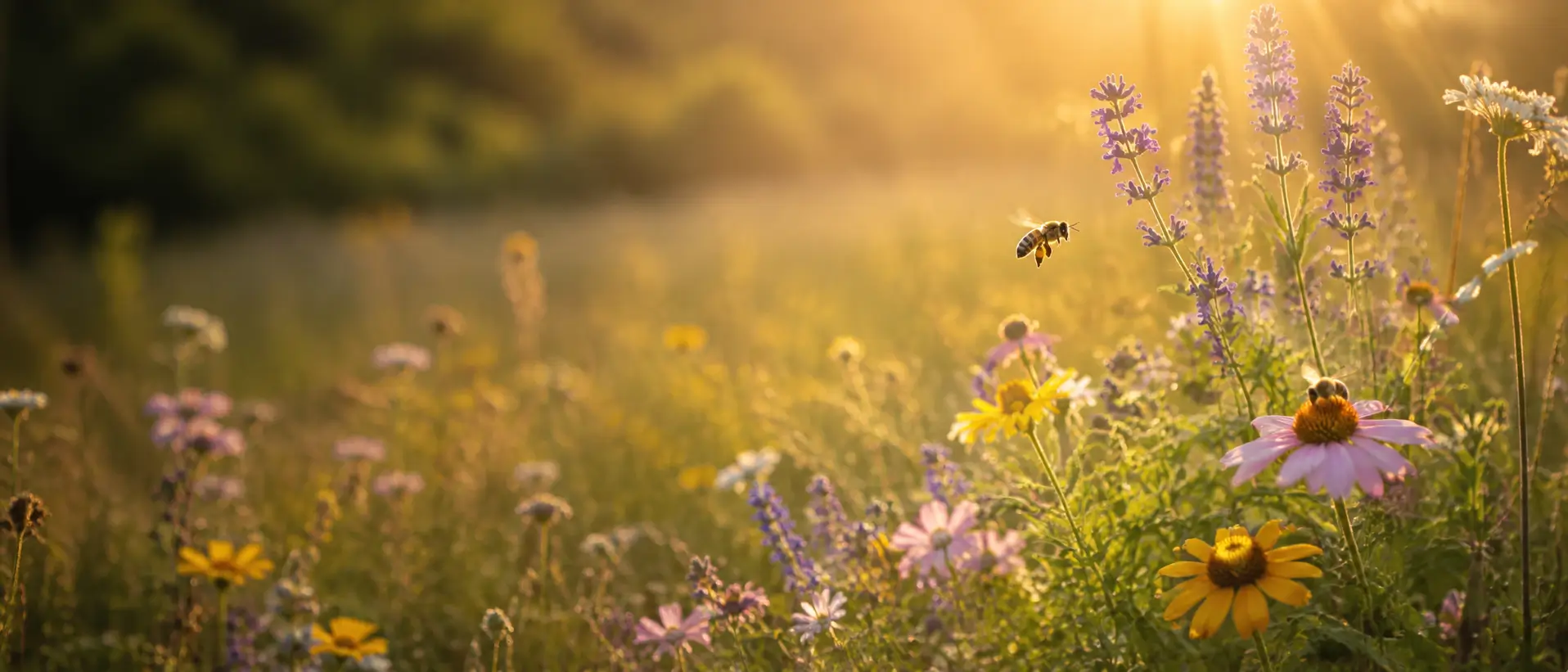
The United States is home to thousands of native bee species, including bumblebees, mason bees, leafcutter bees, mining bees, squash bees, carpenter bees, and sweat bees—also commonly called sweet bees. Most do not live in managed honey bee hives.
Responsible apiary decisions leave room for wild pollinators. Plant diverse native flowers, protect bare ground and hollow stems, reduce pesticide exposure, manage disease, and avoid placing more colonies than local forage can support.
PROGRAMS IN ACTION
Education and Support for Responsible Beekeeping
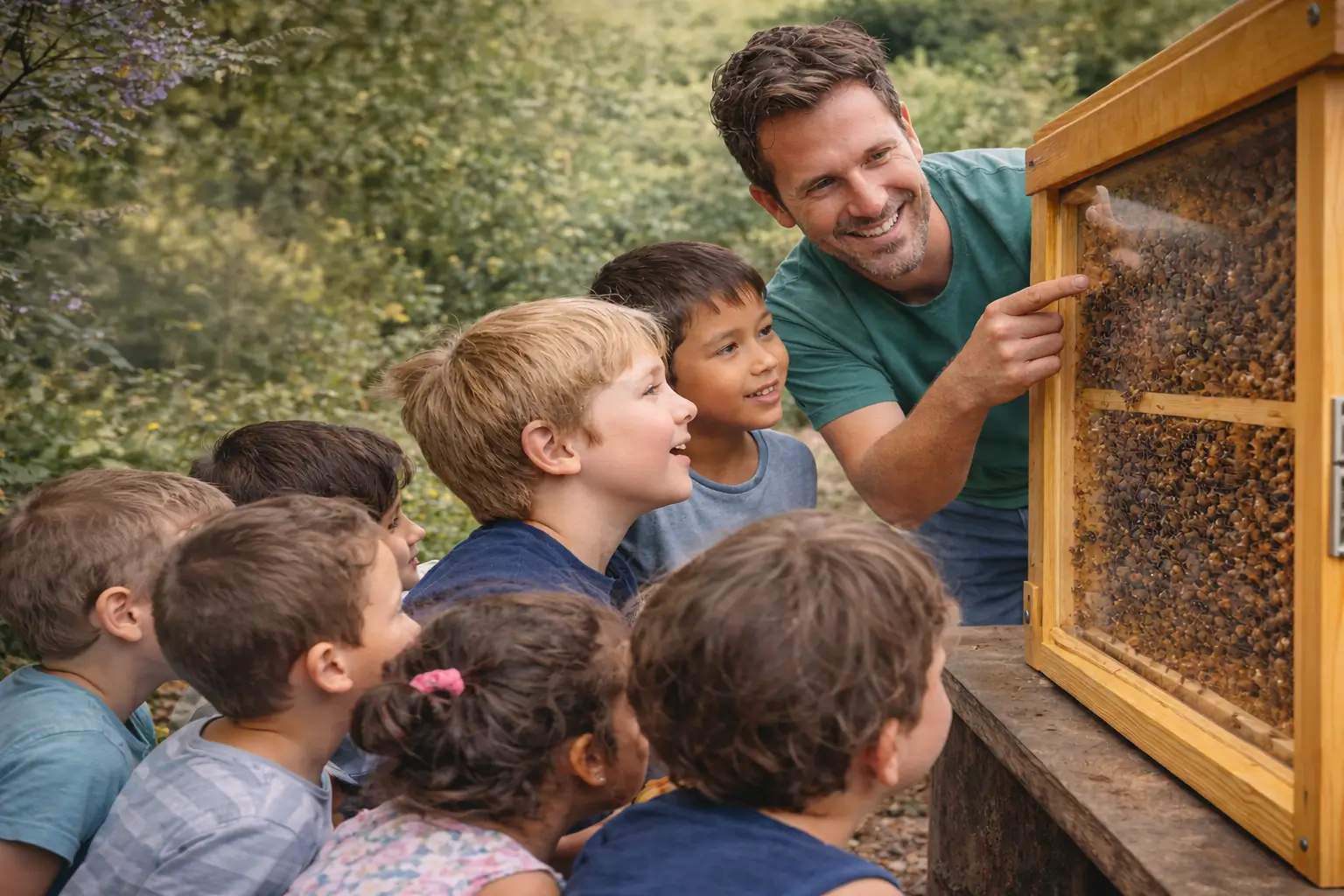
Observation Hives
Safe, temporary observation experiences help students see colony behavior and understand why skilled supervision matters.
Explore Observation Hives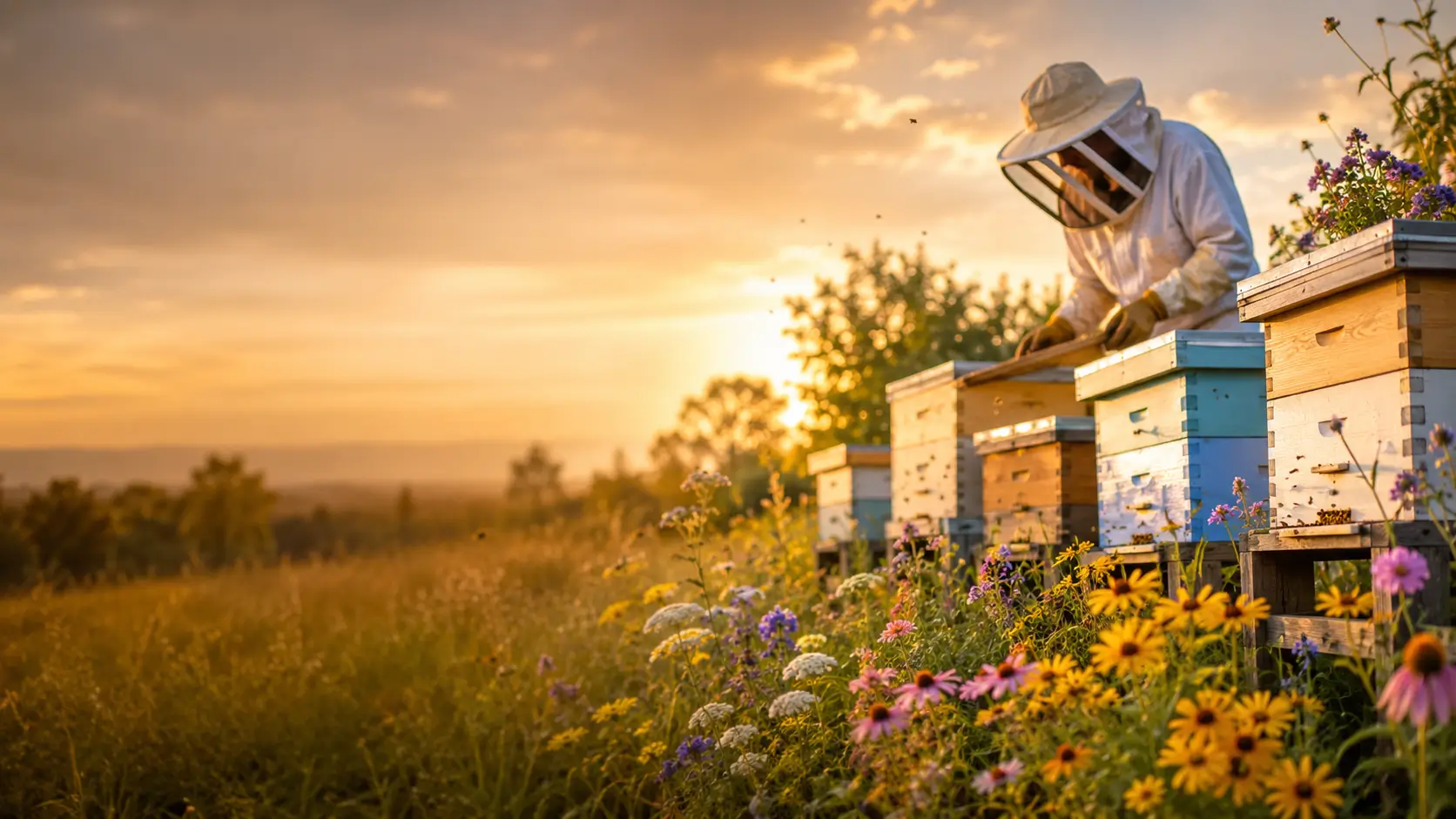
Adopt a Hive
Sponsor care for a managed honey bee colony without maintaining a hive yourself. Support education, stewardship, and habitat.
Sponsor a Hive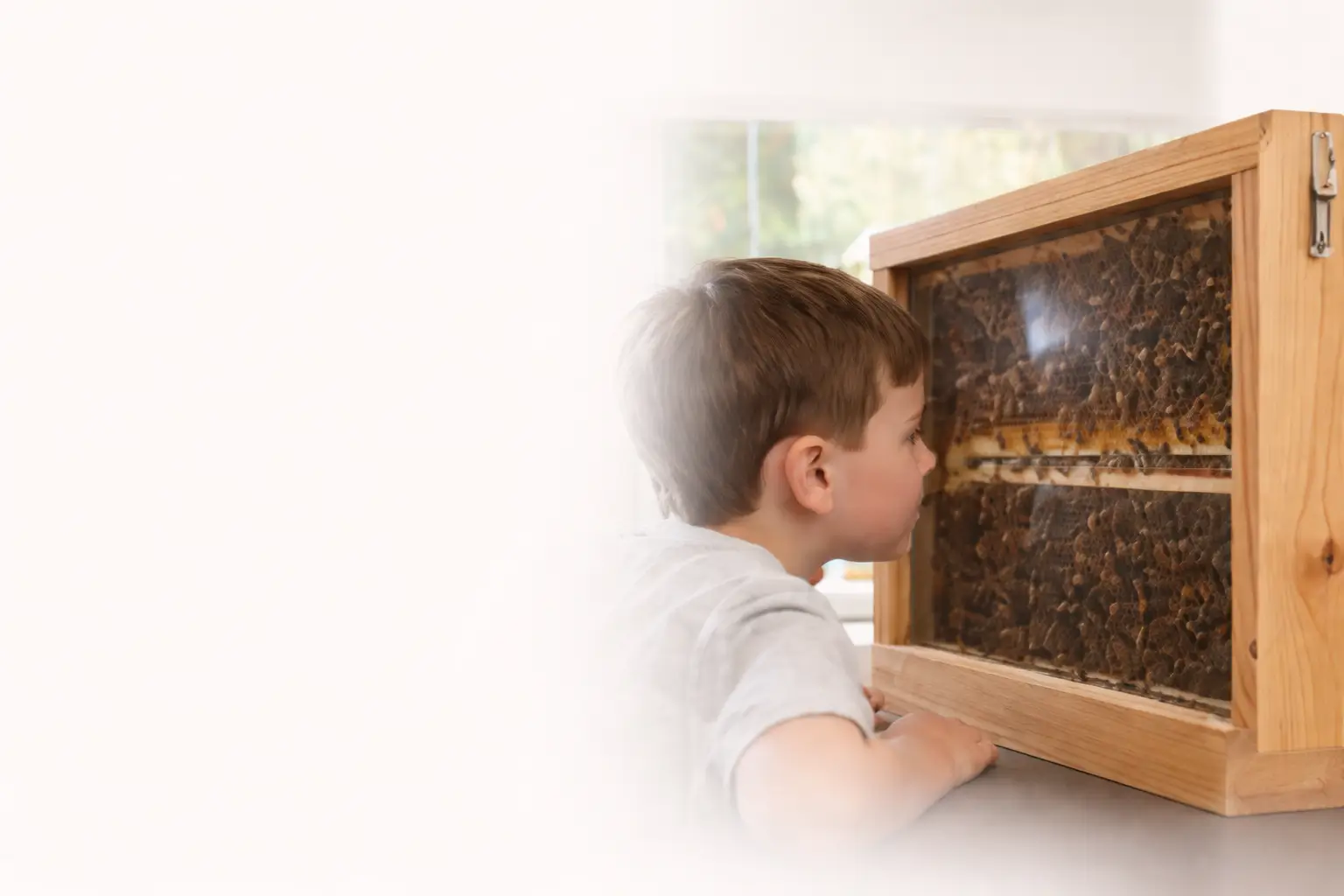
Beekeeper Education
Training and recognition help experienced beekeepers lead through stewardship, public safety, and community education.
View CertificationCOMMON QUESTIONS
Beekeeping FAQs
Is beekeeping good for the environment?
Well-managed colonies can support education and agriculture. Environmental benefit is strongest when beekeepers also protect native habitat, manage pests and disease, avoid excessive hive density, and consider wild pollinators.
How much time does beekeeping require?
The commitment changes by season and colony condition. Active months require regular inspections and timely decisions; winter still involves monitoring, maintenance, record review, and preparation.
Do I need training before getting bees?
Yes. A reputable course, local mentor, and hands-on experience can prevent avoidable mistakes. Advice should match your climate, forage, laws, pests, and seasonal conditions.
What is a major threat to honey bee health?
Varroa mites and the viruses they transmit are among the most serious threats to managed colonies. Beekeepers should learn validated monitoring methods and use a regionally appropriate management plan.
Can I help bees without becoming a beekeeper?
Absolutely. Plant pesticide-free habitat, buy from responsible local beekeepers, support education, report swarms instead of spraying them, and sponsor a professionally managed hive.
What is the difference between a beekeeper and a bee conservationist?
A beekeeper manages honey bee colonies. A bee conservationist may protect honey bees, native bees, habitat, education, or policy without owning hives. The roles can overlap, but they are not identical.
EVIDENCE-INFORMED CARE
Reliable Guidance Matters
This educational guide reflects best-practice themes from USDA honey bee health research, EPA pollinator-protection guidance, state cooperative extension programs, apiary inspectors, and the Honey Bee Health Coalition.
Beekeeping decisions are local. Follow current product labels, federal and state rules, and guidance from qualified local experts. This page is general education, not veterinary, regulatory, or treatment advice.
HELP HEALTHY HIVES THRIVE
Stronger Beekeepers Build Healthier Communities
Whether you keep bees, mentor a beginner, sponsor a hive, or plant flowers, your informed choices can help pollinators thrive.