About Save The Bees USA
Our pollinator conservation work brings together native bee habitat, honey bee care, and education. See how Save The Bees USA works with beekeepers and communities nationwide and where you can take part.
Who We Are
A National Nonprofit for Pollinator Conservation Work
Founded in 2023, Save The Bees USA is a 501(c)(3) nonprofit helping people understand, support, and protect the pollinators that sustain ecosystems and the food supply.
How Pollinator Conservation Work Begins Locally
Pollinator conservation becomes stronger when people can move from learning to meaningful action. We create programs that make the lives of bees visible, connect communities with practical projects, and support the habitats pollinators need.
Our work brings together students, educators, beekeepers, families, businesses, and conservation partners. Each group has a role in creating healthier places for honey bees, native bees, and other pollinators.
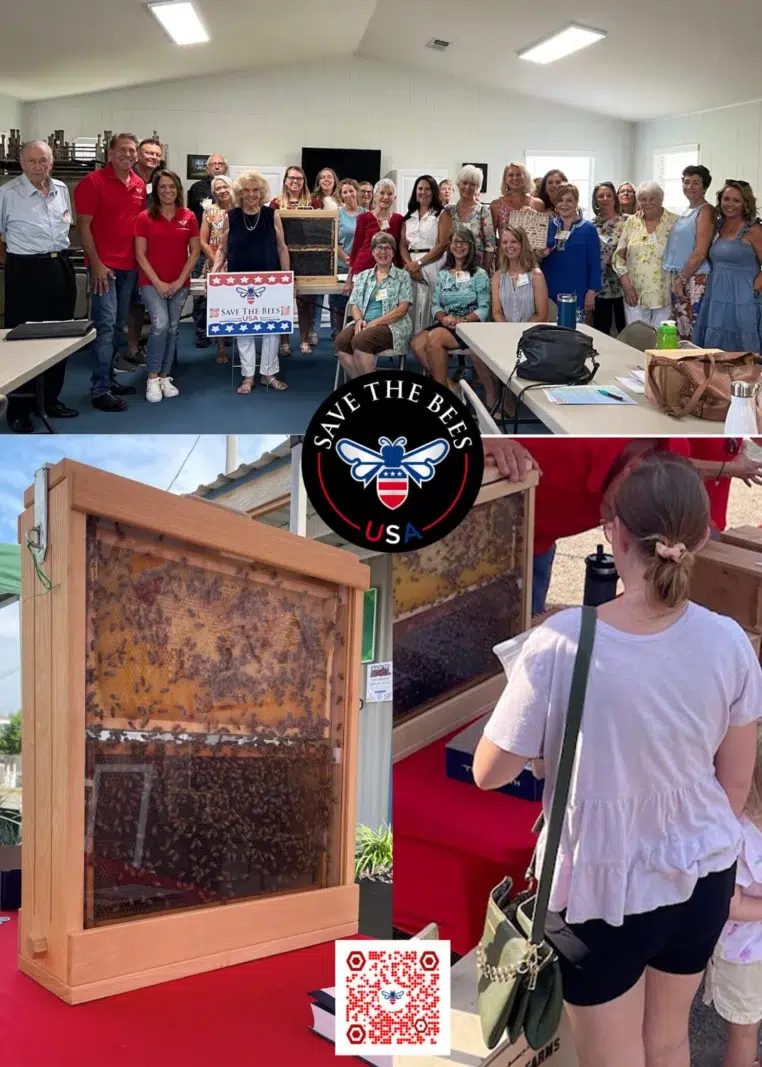
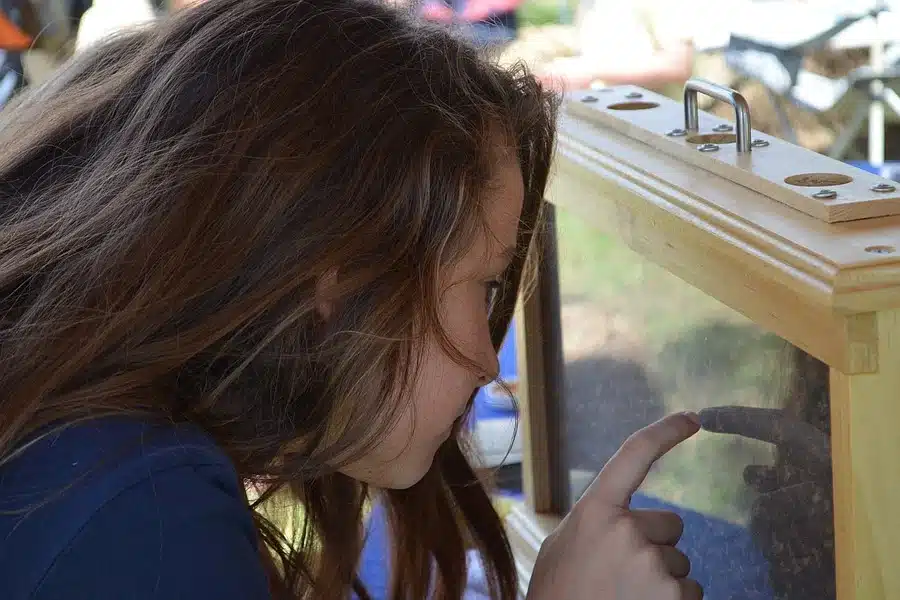
For example, an enclosed observation hive lets students watch honey bees up close. A pollinator garden gives those students another place to look for wild bees and the flowers they visit.
Our Purpose
Mission and Vision
We work toward a future where healthy pollinator populations and informed communities strengthen one another.
Our Mission
To safeguard the health and longevity of bee populations by advancing pollinator conservation through education, advocacy, responsible beekeeping, habitat restoration, and community engagement.
We inspire environmental stewardship so people across the country understand why pollinators matter and how everyday choices can help protect them.
Our Vision
A future where bees and other pollinators thrive in healthy, diverse ecosystems; communities actively participate in conservation; and new generations have the knowledge and confidence to protect the natural world.
We envision pollinator-friendly places becoming a normal part of schools, gardens, farms, businesses, and neighborhoods.
Why Bees Matter
Small Pollinators Support Entire Ecosystems
Bees move pollen between flowers, helping plants reproduce and supporting the food, habitat, and biodiversity that people and wildlife rely on.
Protecting More Than Honey Bees
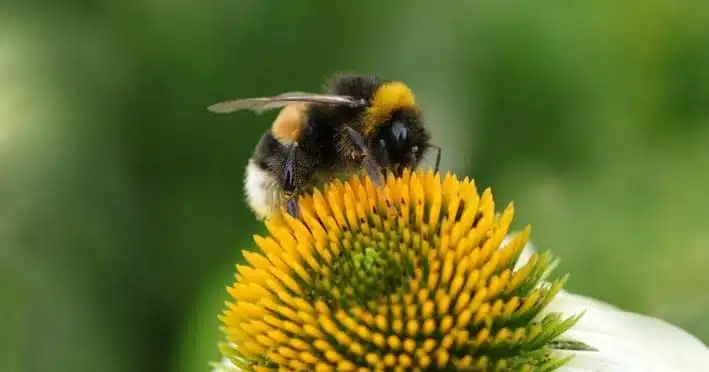
Honey bees are important agricultural pollinators, but they are only part of the story. Native bumblebees, mason bees, and many other solitary bee species are essential to wild plants, gardens, farms, and resilient ecosystems.
Pollinators face pressure from habitat loss, limited forage, pesticide exposure, disease, and changing environmental conditions. Those pressures differ between species and places. Our pollinator conservation work therefore includes both practical care for managed honey bee colonies and protection for wild nesting sites.
Planting diverse flowers, protecting nesting habitat, using chemicals responsibly, and sharing accurate information all help create safer places for pollinators.
What We Focus On
Four areas of our pollinator conservation work
A honey bee colony and a wild bee nest need different kinds of care. These four parts of our pollinator conservation work help communities choose where to begin.
Education
We help students, educators, families, and communities understand pollinators through observation hives, school programs, workshops, and practical learning.
Habitat Restoration
We support native planting, nesting habitat, and community projects that give pollinators the food and shelter they need.
Responsible Beekeeping
We promote practices that prioritize colony health, thoughtful management, accurate education, and long-term sustainability.
Community Action
We give schools, organizations, businesses, and individuals practical ways to support conservation through programs, partnerships, volunteering, and donations.
Programs in Action
Pollinator Conservation Work in Schools and Gardens
Choose a program that fits the bees or learners you want to support. For example, the Mason Bee Program focuses on solitary native pollinators, while Adopt A Hive supports a working honey bee colony.
Observation Hives in Schools
Give students a safe, close-up view of colony life and a memorable way to understand why bees matter.
Explore Observation Hives
Bumblebee Restoration
Create safer nesting and forage habitat for native bumblebees while helping communities learn about their importance.
Explore Bumblebee Restoration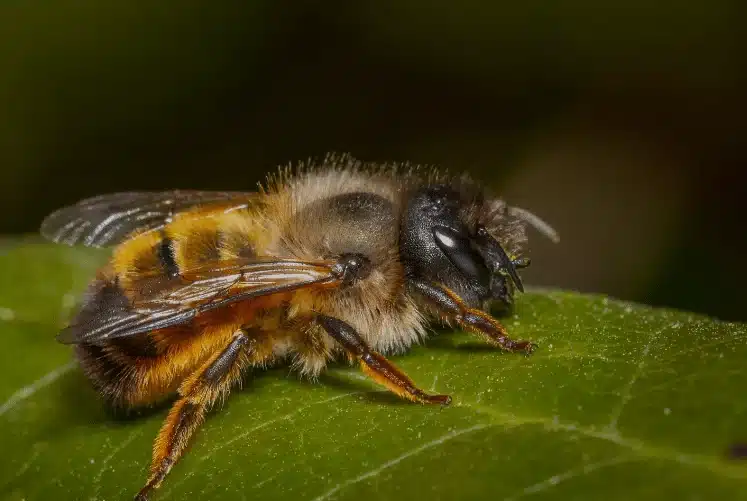
Mason Bee Program
Promote efficient native solitary pollinators through nesting habitat, education, and community participation.
Explore Mason Bees
Adopt A Hive
Support responsible beekeeping, pollinator education, and healthy managed colonies through direct sponsorship.
Adopt A HiveLearn. Participate. Protect.
How to Support Pollinator Conservation Work
If you are choosing where to direct a gift, start with the program and the community you want to help. You can also review Save The Bees USA’s nonprofit profile on Candid before giving.
Support Pollinators Nationwide
Help Turn Pollinator Education Into Action
Your support helps expand conservation programs, restore habitat, and reach more schools and communities.