
PARTNER WITH PURPOSE
Sponsor a Hive. Strengthen Pollinator Communities.
Hive sponsorship gives businesses, organizations, and community partners a meaningful way to support responsible beekeeping, pollinator habitat, and practical bee education.
A PRACTICAL PARTNERSHIP
What Is Hive Sponsorship?
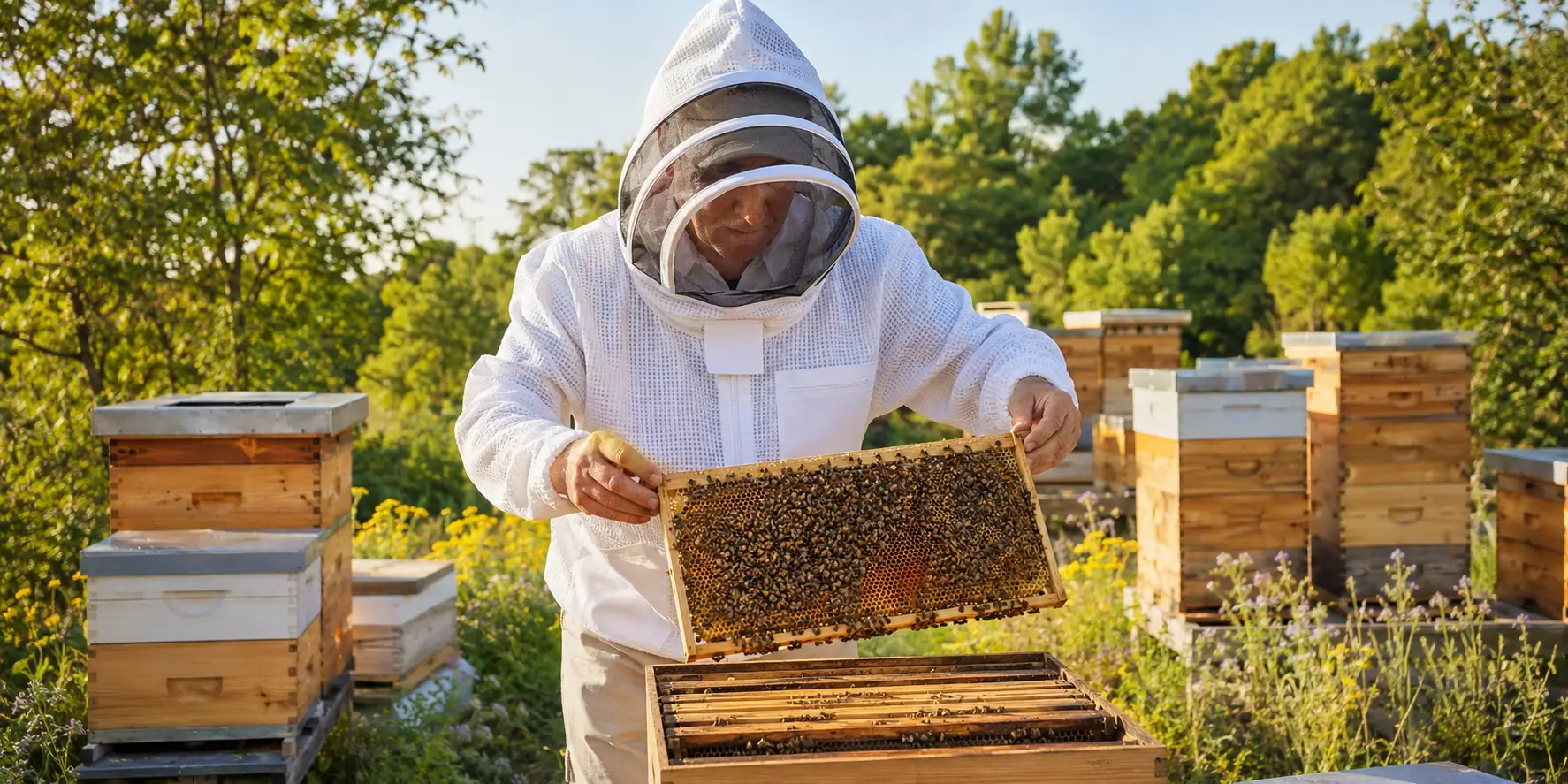
Hive sponsorship is a partnership that helps fund the people, equipment, habitat, and education required to care for honey bee colonies responsibly. The bees remain under the care of experienced beekeepers; the sponsor helps make that work possible.
Unlike owning a hive, sponsorship does not require land, protective equipment, inspections, or technical beekeeping knowledge. It is a way to participate in pollinator conservation while supporting qualified stewardship.
Every sponsorship arrangement should reflect real program needs, responsible colony care, and transparent expectations. Recognition or engagement opportunities depend on the specific partnership.
WHERE SUPPORT GOES
Four Areas a Hive Sponsorship Can Strengthen
Sponsorship can support more than a wooden hive box. It helps build the system healthy colonies and communities need.
Hive Care
Support inspections, health monitoring, appropriate equipment, seasonal preparation, and responsible colony management.
Pollinator Habitat
Help expand diverse forage, dependable water, native planting, and safer spaces for honey bees and native bees.
Bee Education
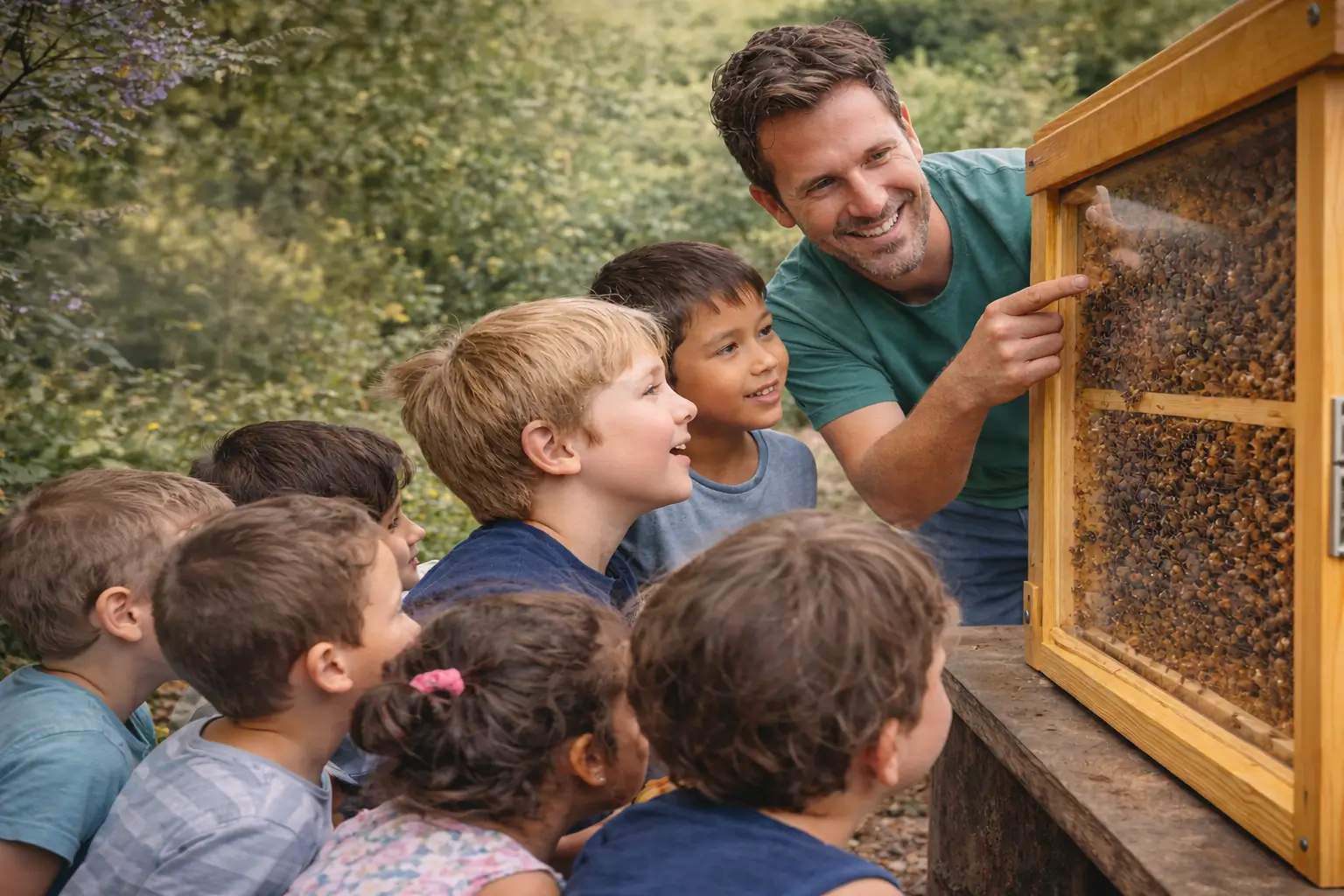
Strengthen hands-on learning, observation hive experiences, beekeeper training, and public pollinator awareness.
Community Programs
Help responsible beekeepers and educators connect more people with practical conservation action.
CHOOSE THE RIGHT PATH
Hive Sponsorship vs. Adopt A Hive
| Hive Sponsorship | Adopt A Hive |
|---|---|
| Designed for businesses, organizations, teams, and community partners | Designed for individuals, families, gifts, and supporters |
| Partnership scope can be tailored to shared goals and program needs | Choose your own donation amount, once or on a recurring basis |
| May connect hive care with education, habitat, or community engagement | Gifts over $200 qualify for hive naming and a certificate of adoption |
| Begins with a conversation about fit, timing, and impact | Can be completed directly online |
WHO CAN SPONSOR
A Partnership for Organizations That Want Real Impact
- Businesses building an environmental or community-impact program
- Schools, universities, and youth-serving organizations
- Garden centers, farms, food companies, and agricultural partners
- Community foundations, service clubs, and local associations
- Hospitality, real estate, and property-management teams
- Families or groups seeking a larger collaborative gift
A CLEAR PROCESS
How Hive Sponsorship Works
Start a Conversation
Share your organization, goals, audience, preferred timing, and the kind of pollinator impact you hope to support.
Identify the Best Fit
Align support with current needs in hive care, habitat, education, or community programming.
Define Expectations
Document the scope, timing, recognition, engagement, reporting, and any available sponsor benefits.
Put Support to Work
Responsible beekeepers and program teams carry out the work while the sponsor follows the resulting impact.
RESPONSIBLE BY DESIGN
Bee Health Comes Before Branding
Good hive sponsorship never pressures a beekeeper to overharvest honey, open colonies unnecessarily, maintain an unsuitable hive location, or prioritize an event over bee health.
Strong partnerships allow decisions to follow weather, forage, colony condition, public safety, and local regulations. They also recognize that honey bees share the landscape with thousands of native bee species.

CONNECTED PROGRAMS
More Ways to Support Responsible Beekeeping
Adopt A Hive
Choose a donation amount for yourself, your family, or a meaningful gift.
View AdoptionsObservation Hives
Help students and communities experience colony life through safe, supervised education.
Explore Observation Hives
Beekeeper Education
Support knowledge, mentorship, and stewardship that improve colony care and public understanding.
View CertificationCOMMON QUESTIONS
Hive Sponsorship FAQs
Do sponsors need to keep bees on their property?
No. A sponsorship can support responsibly managed colonies, habitat, or education without placing a hive at the sponsor’s location.
Is hive sponsorship the same as adopting a hive?
No. Sponsorship is intended for tailored organizational or community partnerships. Adopt A Hive accepts flexible one-time or recurring donations for individuals and gifts.
Can our company receive recognition?
Recognition and engagement opportunities depend on the sponsorship scope and must be defined before the partnership begins.
Will our sponsorship guarantee honey?
No. Honey production varies with colony health, weather, forage, and beekeeper decisions. Bee health must come first.
Can we host a hive at our workplace?
Possibly, but not every property is suitable. Local rules, forage, water, setbacks, public safety, access, and long-term management must be evaluated first.
How do we begin?
Contact Save The Bees USA with your organization, goals, location, timing, and preferred type of impact so the team can evaluate fit.
BUILD A PARTNERSHIP THAT BUZZES
Turn Your Organization’s Support Into Pollinator Impact
Start a conversation about responsible hive care, education, habitat, and a sponsorship that fits real program needs.