
Protect Bees. Restore Habitat. Strengthen Our Future.
Bee protection starts with two things you can see: flowers to feed on and places to nest. Find out which bees visit your garden, then choose an action that meets their needs.
Why Protection Matters
Bees Connect Flowers, Food, and Healthy Landscapes
Bees carry pollen between flowers. A squash plant, for example, needs visits that move pollen from a male flower to a female flower before it can set fruit. Wildflowers also rely on visitors to make seeds that feed birds and grow into next year’s plants.
Bee Protection for Native Bees and Honey Bees
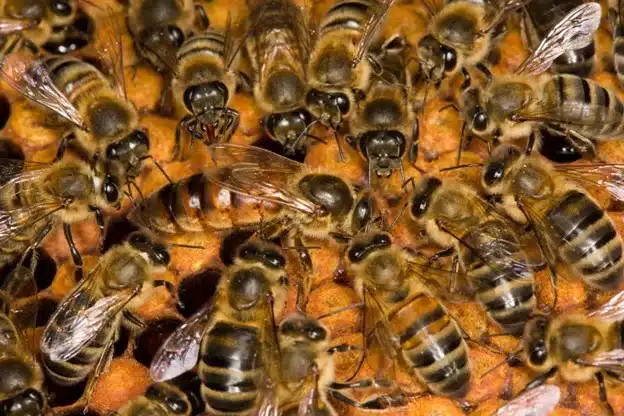
Honey bees pollinate crops and live in colonies. By contrast, most native bee species live on their own, and many nest in the ground. The U.S. Geological Survey estimates about 4,000 native bee species live in the United States.
Nesting habitat looks different for each group. Mining bees dig burrows in the soil. Mason bees can use cavities in wood or stems. Both need flowers during their flight season. Use the species guides above to match a habitat improvement to the bees you see.
Pressures Facing Pollinators
Bee Protection Starts With Recognizing Local Threats
Habitat loss, limited forage, pesticide exposure, climate extremes, pests, and disease can overlap, leaving bees with fewer resources and less resilience.
Habitat Loss
When a lawn replaces a flowering strip, bees can lose two things at once: a meal and a nesting place. Leaving part of the strip intact helps preserve both.
Pesticide Exposure
Insecticides and poorly timed applications can harm bees directly, contaminate forage, and weaken their ability to navigate and reproduce.
Nutrition Gaps
For example, a street may have nectar when its fruit trees bloom, then little food in summer. A patch of summer flowers helps bridge the gap.
Pests, Disease, and Weather
Varroa mites and disease threaten managed colonies while drought, heat, flooding, and shifting seasons disrupt forage and nesting.
Practical Protection
Six Bee Protection Steps for Your Yard
First, walk the space you care for. Where do flowers bloom in spring, summer and fall? Where can a bee nest without tilling or mowing disturbing it? Choose one change below to fill a gap.
Plant Native Flowers
For example, if your yard has plenty of spring flowers but few in September, try a locally native aster that suits the site.
Reduce Pesticide Risk
First, identify what is damaging the plant. If treatment is needed, follow the product label and protect visiting bees. See EPA guidance for home gardens.
Protect Nesting Places
Look for small holes in sunny ground. If bees are entering them, give the patch room. Elsewhere, leave a few standing stems for cavity nesters.
Provide Clean Water
Offer shallow water with stones or landing surfaces, refresh it regularly, and prevent standing water from becoming a mosquito habitat.
Support Responsible Beekeepers
Learn how managed hives are monitored, fed, and protected from mites and disease while respecting surrounding native pollinators.
Teach and Advocate
Start with a place others already know. For example, ask a school garden club to map the flower beds before choosing its next bee protection project.
Protection Through Action
Bee Protection Programs at Save The Bees USA
Where would you like to start? If you care for a school, a garden grant can help put more flowers within reach of bees. If you keep honey bees, the beekeeper education program offers a way to share what you know.
Restore Pollinator Habitat
Create lasting food, shelter, and nesting opportunities for bees and other pollinators. If you own land and want to keep its habitat intact, you can also explore a conservation land gift.
Support Responsible Beekeepers
Beekeepers can spot a problem early because they check their colonies all season. Learn how they monitor mites and keep inspection notes.
Educate the Next Generation
Help students and communities understand bees, pollination, and conservation.
Expand Pollinator Conservation
Connect nearby patches of habitat. For instance, a school and a neighboring park can choose plants that flower in different months.
Every Action Builds Habitat
Plan a Bee Protection Project in Your Community
For a school or park, start with a small plot and someone who can care for it through summer. Agree on a mowing boundary, choose a native plant that fills a gap in bloom, and schedule a return visit. Next season, compare when the first flowers opened and which bees visited.
Protect Pollinators Today
Support Bee Protection in Schools and Communities
Help expand pollinator habitat, practical education, responsible beekeeping, and community conservation across America.