

Are bees friendly to humans? Watch a bee on a flower and you will usually see it carry on feeding while you stand nearby. It has come for nectar or pollen. The same bee may behave differently near its nest. Those two situations explain why you can enjoy watching bees and still give them plenty of room.
Are bees friendly when they visit flowers?
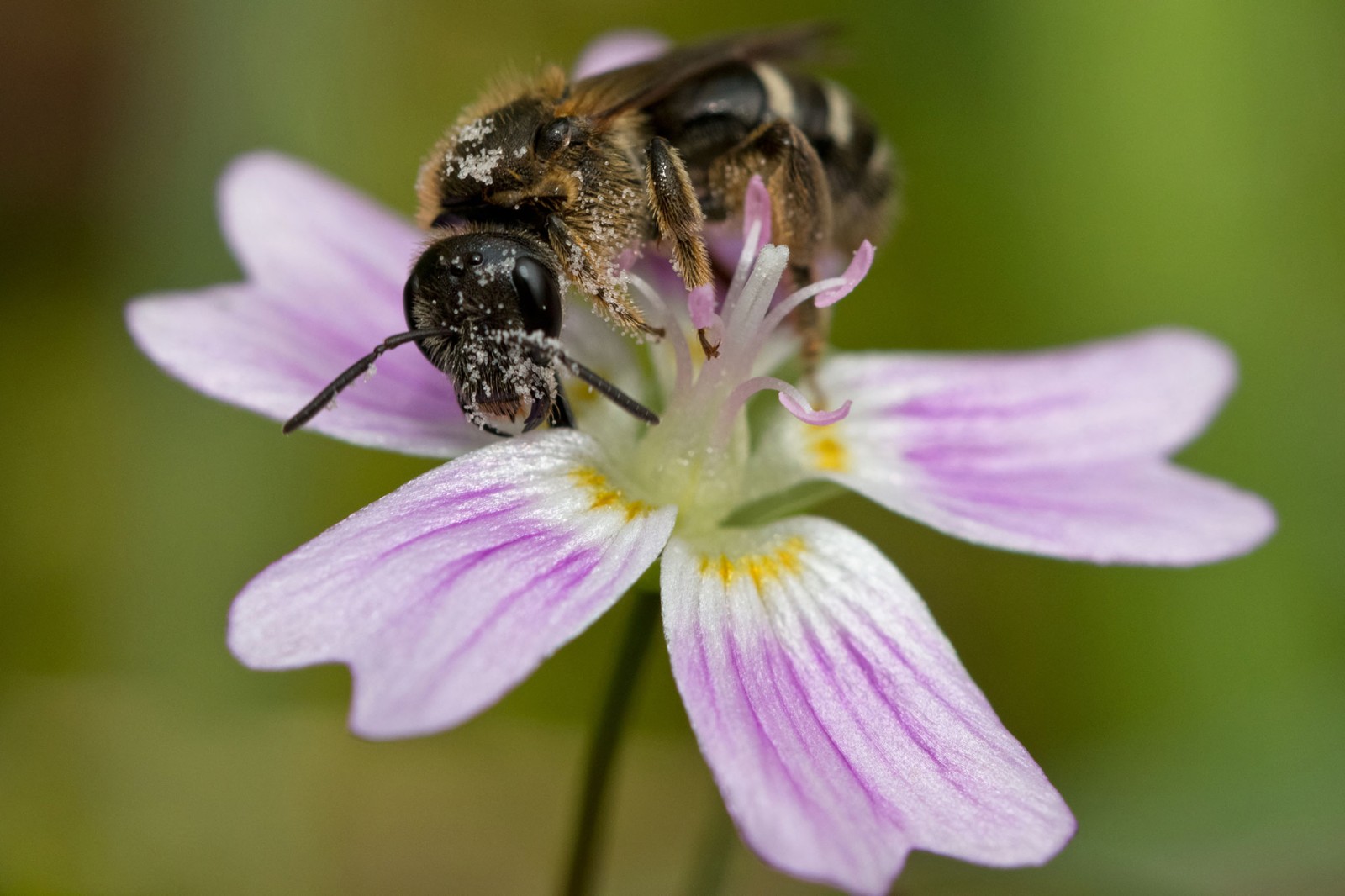
A flower is a good place to start looking. Stand on a path and choose a blossom you can see without leaning over it. First, watch where the bee lands. Then see how it turns, reaches into the flower or brushes against the pollen. You can often follow its next visit simply by watching the neighboring bloom.
Are bees friendly near their hive?
Honey bees and bumble bees live in colonies. Workers can defend their home when something disturbs it. If you see a stream of bees using one opening, give the entrance and their flight path a wide berth. Pick a different spot to watch. Keep children and pets away from the entrance, and leave hive inspections to a beekeeper.

By contrast, many native bees live alone. For example, a patch of soil may have several individual nests close together. A lone female gathers food for her own young. Learn how these nesting habits differ in the University of Minnesota guide to wasps and bees.
Are bees friendly if they hover near a porch?
If someone asks “Are bees friendly?” while pointing at a bee hovering near the porch, watch where it goes next. A male carpenter bee may patrol a space near wood where females nest. Male bees cannot sting. However, hovering alone does not identify the insect, so let it pass and give it room. Our carpenter bee guide shows what to look for in a bee and its surroundings.
What does a bee at my apple tree do for us?
When a bee visits a flower, grains of pollen can cling to its body. Some rub off during the next visit to a flower of the same kind. That helps many plants produce fruit and seeds. For example, watch an apple tree in bloom this spring, then look back at the same branch once small apples begin to form.
Try a five-minute bee watch with children
Ask a child, “Are bees friendly?” Then invite them to describe what one bee actually does. Was it drinking, resting or moving between flowers? Next, record the color of the blossom and the number of visits. From a path, use a camera zoom to look more closely. Let the bee leave on its own. Download free bee activities for families and classrooms for your next walk.