
How bees spend the winter
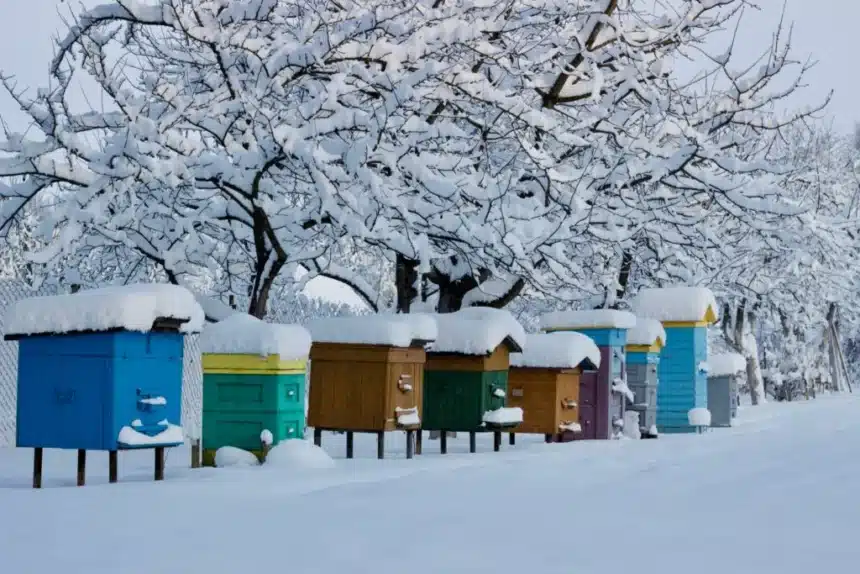
In winter, a honey bee hive can look quiet from the outside while thousands of workers keep one another warm inside. On the same cold day, a bumblebee queen may be resting alone under the soil. Knowing which bees live near you helps you decide what to leave undisturbed until spring.
How honey stores feed the colony
Honey bees gather nectar during the growing season and store it as honey in wax cells. When flowers are scarce or the weather keeps them inside, this stored food fuels the colony. Food must be close enough for clustered bees to reach it as they move across the comb.
Inside the winter cluster
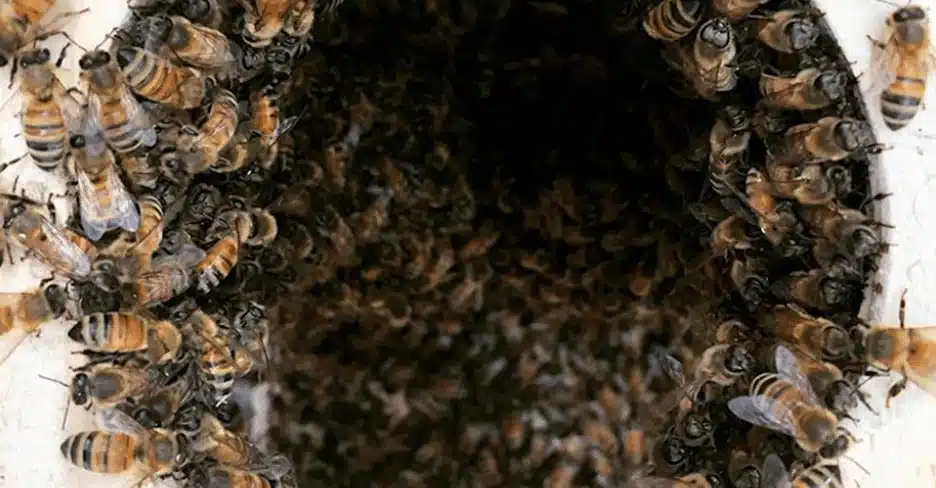
Workers draw together around the queen as the temperature falls. They produce heat by working their flight muscles. The outer bees help hold warmth in the cluster. Its shape changes as temperatures shift. On a mild day, you may see workers leave briefly and return to the entrance.
Do honey bees hibernate?
Honey bees stay active inside the cluster. Egg laying often slows or stops for part of the cold season, then begins again as conditions change. A beekeeper in Maine and one in Texas may see different timing. Penn State Extension follows this cycle through the seasons.
How We Can Help Bees Survive Winter
Plant Bee-Friendly Winter Blooms
Notice the first locally native trees, shrubs and wildflowers that bloom where you live. Early pollen and nectar matter when bees can fly again. A plant that blooms in winter in one region may open much later in another. Our regional flower guide is a place to start.
Provide Shelter
Newly mated bumblebee queens often spend the cold months tucked away in soil. In contrast, many solitary bees spend them in the nest where they developed. Leave a patch of ground undisturbed and keep some stems standing. Penn State explains the bumblebee life cycle.
Avoid Pesticides
Before treating a garden pest, identify what is doing the damage. Avoid treating open flowers or resting and nesting areas when a safer approach can solve the problem.
Leave a quiet corner
Choose one corner where you can leave leaves, stems and bare soil in place. Mark it before cleanup so everyone who works in the garden knows to leave it alone.
When the first warm days arrive, spend a few minutes watching a sunny patch of flowers. Note the date, the plant and which insects visit. Those notes will help you spot gaps in food supplies when you plan your next planting.