
Inclusive Conservation Initiative at SAVE the Bees USA
Inclusion in bee conservation means looking beyond the most familiar species. A honey bee colony, a bumble bee nest and a solitary mason bee need different kinds of shelter. A garden can make room for all three when we look closely at how each one lives.

What inclusion means for pollinator habitat
Diversity
Honey bees visit orchard crops such as apples and almonds. Bumble bees shake pollen loose from tomato flowers, while mason bees often visit fruit trees during spring bloom. In addition, small sweat bees carry pollen between wildflowers. Together these bees reach flowers that no single species could serve alone.
Equity
Many people first meet bees through a beekeeper and a hive. However, most native bees live quite differently. For instance, a patch of undisturbed ground can matter more to a solitary ground-nesting bee than a hive box would.
Inclusion
We promote inclusion by helping people recognize the different habitat needs of native bees and honey bees. For example, undisturbed soil can give some sweat bees a place to nest, while hollow stems offer cavities for other species. The Xerces Society’s nesting guide shows what to look for.
Initiatives for Pollinators
-
Habitat Restoration for All Bee Species
- A planting plan can put inclusion into practice. For example, plant early flowers for mason bees and leave patches of undisturbed ground for bees that nest below the soil.
- Next, look for a gap in late-summer bloom. Adding a locally native flowering plant can extend the food supply.
-
Species-Specific Conservation Efforts
- For Bumblebees, we support efforts to combat climate change and overheating in their nests, which threaten their populations.
- For Mason Bees, we promote building bee hotels and planting early-blooming fruit trees.
- For Sweat Bees, we advocate for wildflower meadows free from pesticide exposure.
-
Educational Outreach and Advocacy
- Our school programs teach children about the unique behaviors of different bee species, such as the Honey Bee’s dance communication or the Bumblebee’s buzz pollination.
- We distribute fact sheets and resources highlighting how pollinators impact over 75% of the world’s flowering plants and crops.
-
Community and Policy Engagement
- Partnering with communities, we host workshops that focus on the specific needs of native bees, emphasizing their importance alongside Honey Bees.
- We advocate for policies that protect all pollinator species, including restrictions on pesticides that disproportionately harm Sweat Bees and Bumblebees.
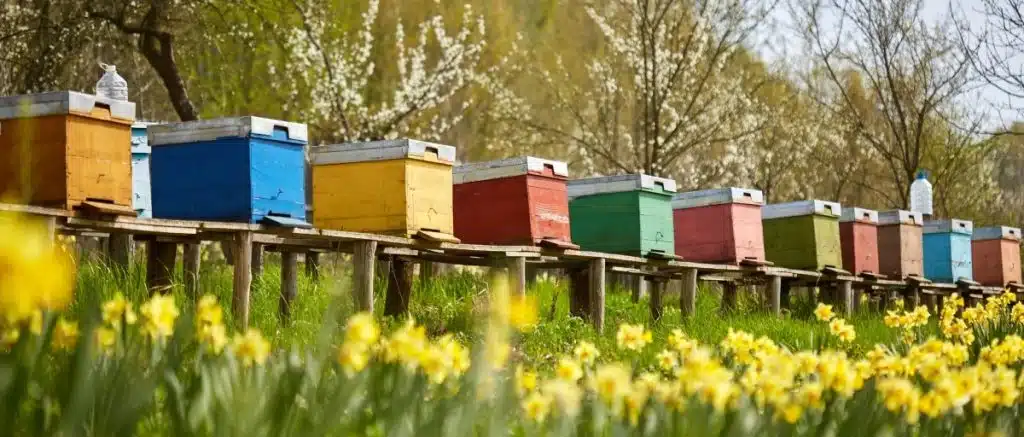
A family or school can practice inclusion by asking who can reach a garden bed, see the flowers or take part in an observation. For example, a wide, firm path and flowers at more than one height give people different ways to participate.
On your next garden walk, watch a patch of flowers for a few minutes. Record the small bees as well as the familiar ones. Later, compare your notes with a second visit when different plants are in bloom.