
When temperatures drop, many people wonder what happens to bees. Do they die, migrate, or disappear?
We receive this question often — including recent emails from people who have found carpenter bees during cold weather and weren’t sure how to help. The answer depends on the type of bee, and the strategies they use to survive winter are remarkably effective.
Honey Bees Stay Together
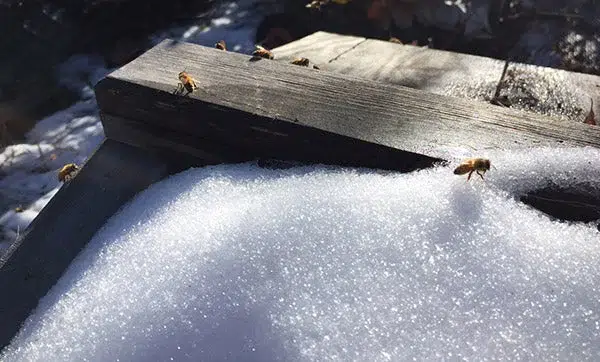
Honey bees do not hibernate or leave their hive. Instead, they remain inside and form a tight cluster around their queen. By vibrating their wing muscles, they generate heat and keep the center of the cluster warm, even during freezing temperatures.
They survive winter by consuming the honey they stored earlier in the year.
Bumblebees Start Fresh Each Spring
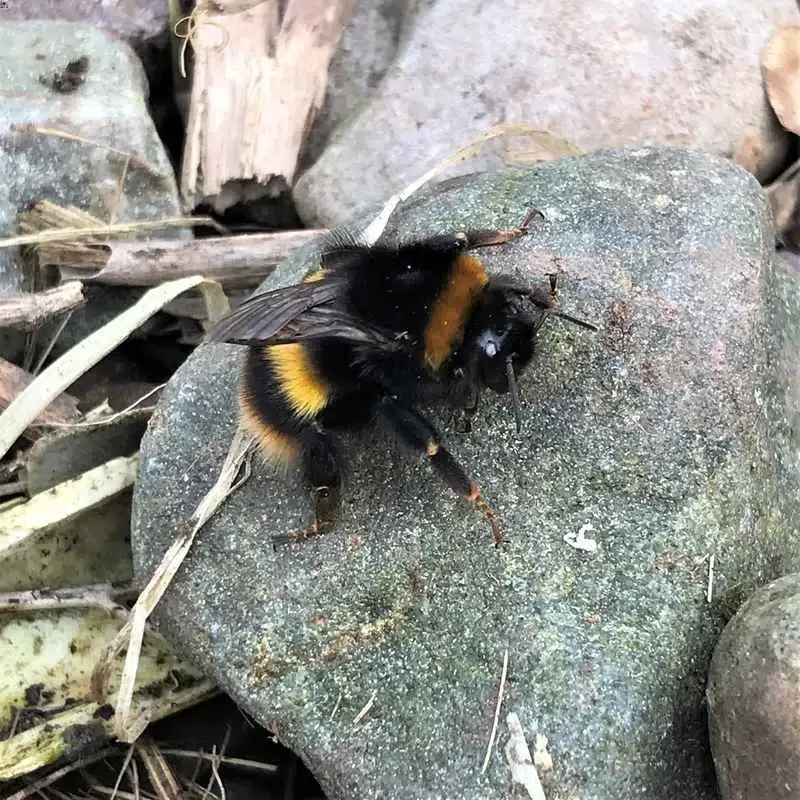
Most bumblebees do not survive winter. Only newly mated queens overwinter. In the fall, these queens find protected places such as soil, leaf litter, or old burrows and enter a dormant state.
In spring, each queen starts a new colony.
Carpenter Bees and Other Solitary Bees
Carpenter bees and many other solitary bees overwinter in protected wood tunnels, hollow stems, or underground chambers. Some survive winter as adults, while others overwinter as larvae or pupae.
This is why carpenter bees are sometimes found in sheds, barns, or wood structures during colder months. They are not active — they are conserving energy.
Why You Rarely See Bees in Winter
Bees become inactive when temperatures drop below about 45–50°F. A bee that appears still or slow in cold weather is often alive, simply cold.
This is also why feeding bees during winter is not recommended. Activity and warmth can disrupt their natural dormancy and reduce their chances of surviving until spring.
How You Can Help Bees in Cold Weather
The best help is minimal disturbance.
• Leave leaf litter and plant stems in place
• Avoid sealing or removing old wood during winter
• Do not attempt to feed bees
• Allow natural shelter to remain undisturbed
Winter Is a Rest Period, Not a Crisis
Bees have evolved to survive cold seasons without intervention. Understanding their winter behavior helps prevent well-intended actions that may do more harm than good.
At Save The Bees USA, education is at the heart of protecting pollinators — and winter is an important part of their story.