
The Ultimate Pollinator Guide
An educational guide by Save The Bees USA covering honey bees, bumblebees, mason bees, sweat bees, leafcutter bees, carpenter bees, and mining bees.
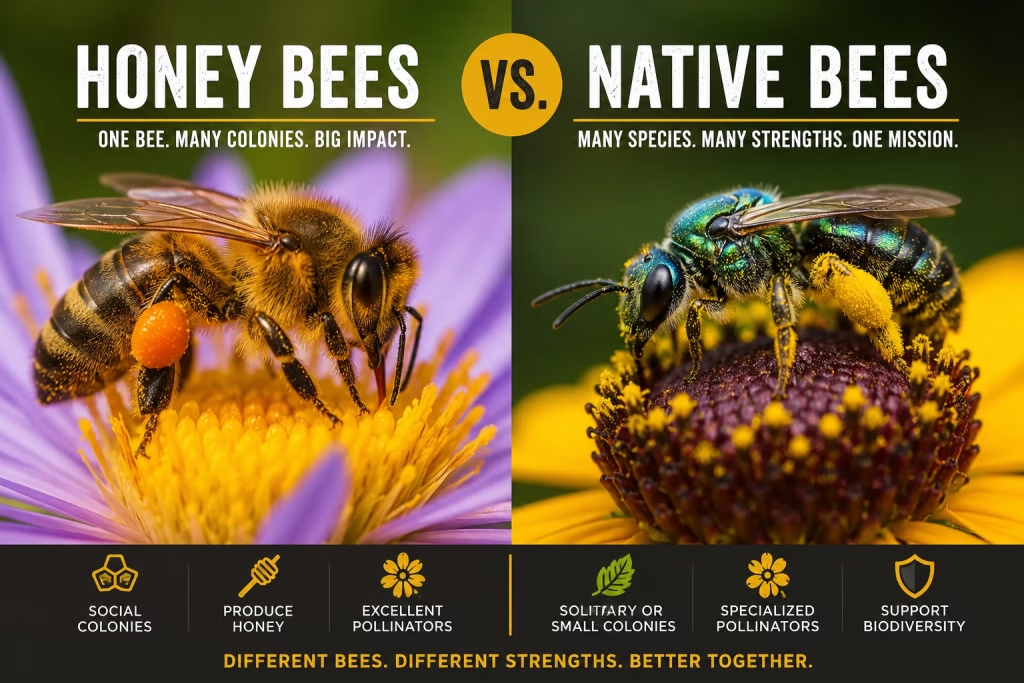
Honey bees may be the most famous bee in America, but they are only one part of a much larger pollinator story.
The United States is home to more than 4,000 species of native bees, many of which are more efficient pollinators than honey bees.
Native bees support gardens, farms, forests, and ecosystems across North America. Some species specialize in pollinating
specific flowers while others work during cooler weather when honey bees remain inside the hive.
Understanding native bees helps communities protect biodiversity, improve pollinator habitats, and reduce environmental threats.
Bumblebees
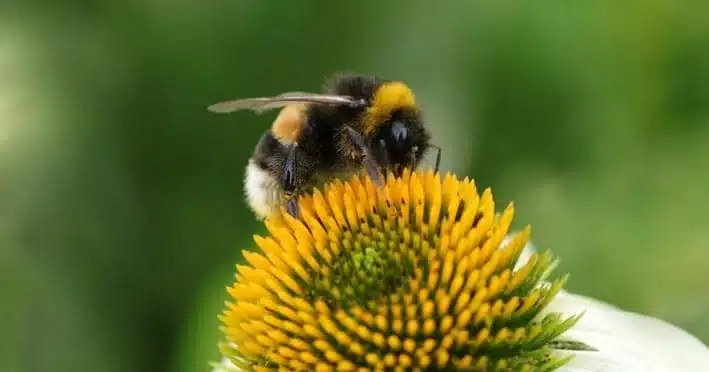
Bumblebees are among the most recognizable native bees in North America. Their fuzzy bodies help them carry large amounts of pollen
while also keeping them warm during cool weather. Bumblebees can perform buzz pollination, a special behavior where they vibrate
flowers to release pollen.
Bumblebees are essential pollinators for tomatoes, blueberries, peppers, cranberries, and wildflowers. Unlike honey bees, they can
fly during cooler temperatures and cloudy weather.
Threats to bumblebees include pesticides, habitat destruction, climate change, and disease.
Mason Bees

Mason bees are solitary native bees known for incredible pollination efficiency. They carry loose pollen across their fuzzy bodies,
making them highly effective orchard pollinators.
Mason bees are gentle, rarely sting, and are active during early spring when fruit trees bloom. These bees commonly nest inside hollow
stems, wood cavities, and bee houses.
Mason bees are important pollinators for apples, cherries, pears, and many flowering trees.
Leafcutter Bees
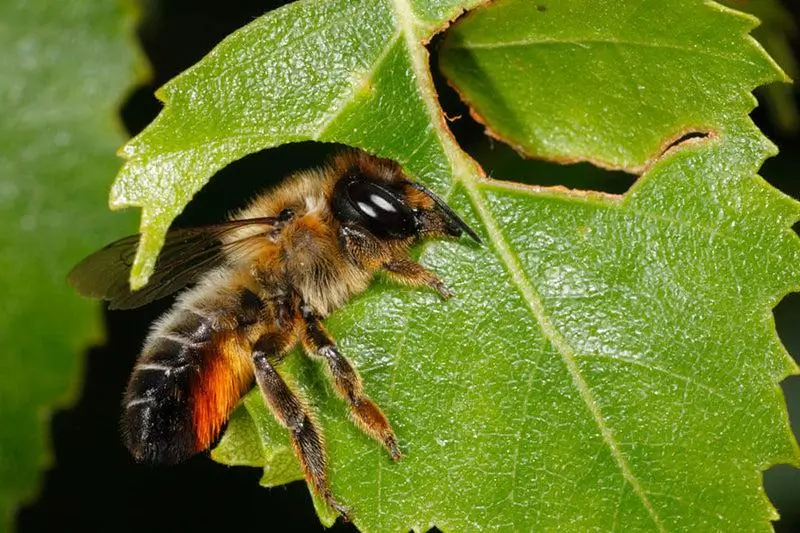
Leafcutter bees are famous for cutting neat circular pieces from leaves to build protective nest chambers. They are fast, efficient
pollinators that support gardens, vegetables, and native plants.
These bees are solitary and non-aggressive. Female leafcutter bees carefully line nest chambers using leaf material to protect developing larvae.
Leafcutter bees rely on safe nesting habitat and pesticide-free environments.
Sweat Bees

Sweat bees are tiny native pollinators often recognized by their metallic green or blue coloration. They pollinate many wildflowers
and native plants across North America.
These adaptable bees can survive in gardens, meadows, forests, and urban environments. Many sweat bee species nest underground, making
them vulnerable to soil pesticides and habitat disruption.
Carpenter Bees

Carpenter bees are large solitary bees often confused with bumblebees. Unlike bumblebees, carpenter bees usually have shiny black abdomens.
These bees create tunnels inside wood where they raise their young. Carpenter bees are strong pollinators for flowering shrubs and native plants.
Mining Bees

Mining bees are important spring pollinators that dig tunnels underground for nesting. They are some of the earliest native bees to emerge each year.
Mining bees help pollinate fruit trees, blueberries, cherries, and native wildflowers. Because they nest underground, they are highly vulnerable
to pesticides and habitat loss.
Why Native Bees Matter for Pollinator Conservation
Native bees are essential for biodiversity, food production, ecosystem resilience, and pollinator habitat restoration.
Many native bees are better pollinators than honey bees for specific crops and native plants.
Protecting pollinators means reducing pesticide use, planting native flowers, preserving nesting habitat, and supporting pollinator education.

About Save The Bees USA
Save The Bees USA is a nonprofit organization focused on pollinator education, conservation, and community awareness.
Through observation hive programs, pollinator habitat initiatives, and educational outreach, Save The Bees USA works to inspire the next generation
to protect honey bees and native bees across America.