Every year, native meadows, prairies, forests, wetlands, and flowering landscapes are replaced by roads, buildings, parking lots, and large areas of turf grass. As these natural habitats disappear, bees, butterflies, hummingbirds, moths, beetles, and countless other pollinators lose the food, water, shelter, and nesting sites they need to survive.
The good news is that restoring pollinator habitat doesn't require hundreds of acres. A backyard garden, a schoolyard, a community park, a farm, or even a few containers of native flowers can become part of a growing network of habitat that helps pollinators thrive.
At Save The Bees USA, we believe habitat restoration is one of the most effective ways individuals, schools, businesses, and communities can make a lasting impact. Every native flower planted, every pollinator garden created, every acre of habitat restored, and every person inspired helps build a healthier future for pollinators.
Whether you're a homeowner, gardener, educator, beekeeper, business owner, or community leader, this guide will show you why pollinator habitat matters—and how you can become part of the solution.

Many pollinators spend their entire lives within a surprisingly small area. If they have access to native flowers, clean water, safe shelter, and places to nest, they may never need to travel far. By creating pollinator habitat in your own yard, school, business, or community, you can provide everything they need to survive and thrive.
Pollinator habitat is any natural or managed area that provides bees, butterflies, hummingbirds, moths, beetles, and other pollinators with the resources they need to survive and reproduce. Every healthy habitat includes four essential elements: food, water, shelter, and nesting sites. Without these basic needs, pollinator populations decline, affecting both natural ecosystems and the crops that depend on them.
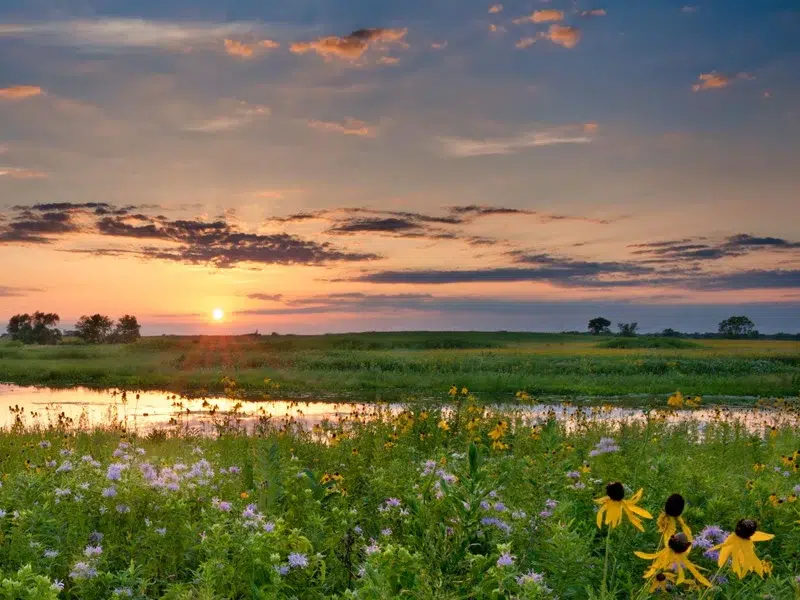
Pollinator habitat comes in many forms, including native prairies, wildflower meadows, forests, wetlands, gardens, parks, farms, roadsides, and even small backyard landscapes. While these habitats vary in size, each one plays an important role in helping pollinators feed, reproduce, and complete their life cycles.
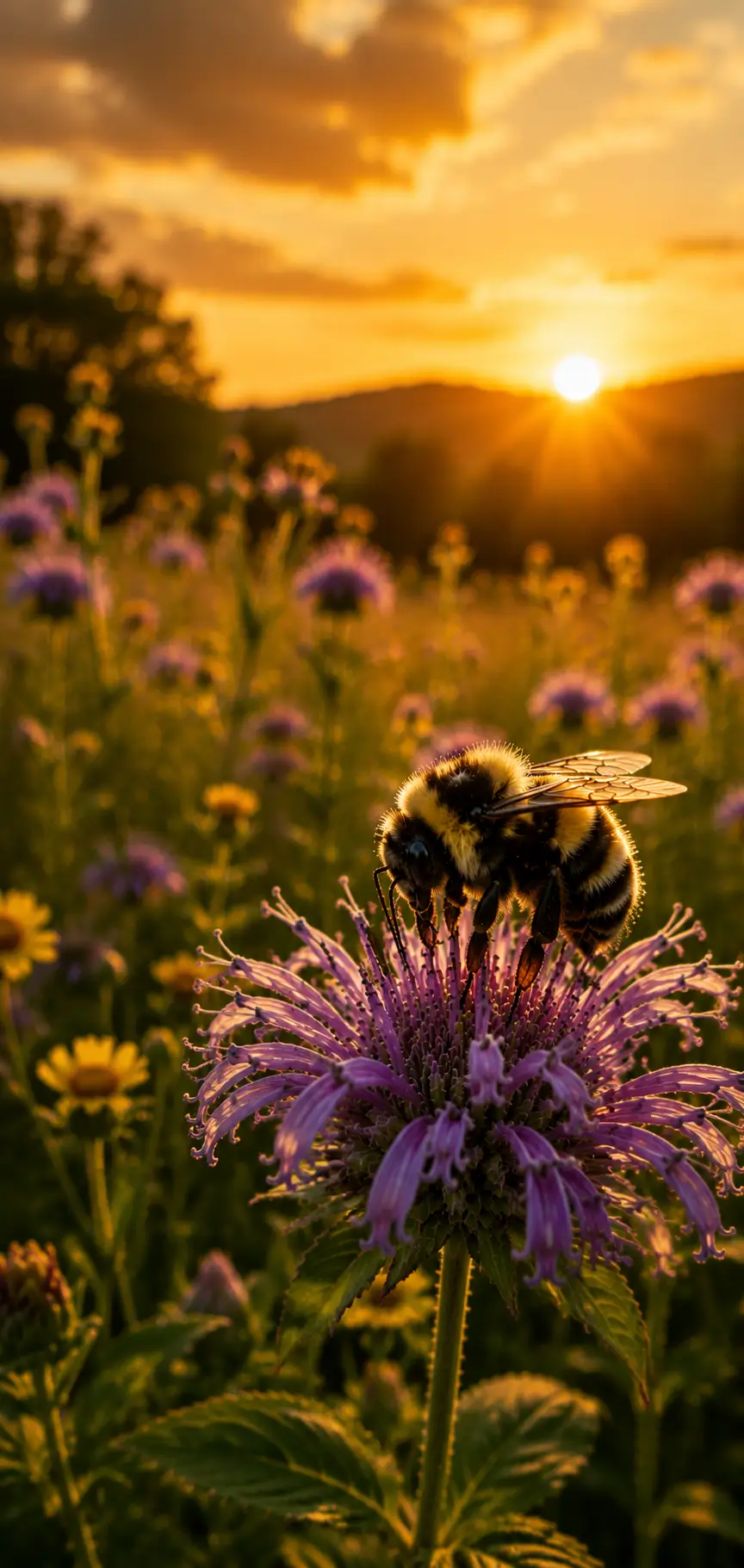
Flowering plants provide nectar for energy and pollen for protein, giving pollinators the nutrition they need to survive and raise the next generation. A diverse mix of native plants that bloom from spring through fall provides a continuous source of food throughout the growing season.
Not all bees live in hives. In fact, approximately 70% of North America's native bee species nest in the ground, while others use hollow stems, dead wood, or natural cavities. Leaving patches of bare soil, fallen branches, and native vegetation provides the nesting habitat many pollinators need.
Like all living things, pollinators need clean water. Shallow birdbaths, small dishes with pebbles, and natural water sources allow bees, butterflies, and other pollinators to drink safely without the risk of drowning.
Pollinators need safe places to rest, overwinter, and escape harsh weather. Native grasses, shrubs, trees, leaf litter, and other natural features provide year-round shelter while protecting pollinators from predators and extreme temperatures.
Every year, natural habitats are lost to development, intensive agriculture, invasive species, and changing land use. As these landscapes disappear, pollinators must travel farther to find food and suitable nesting sites, making it harder for them to survive and reproduce.
The good news is that habitat restoration can happen almost anywhere. Whether you plant a few native flowers on a balcony, create a pollinator garden at a school, or restore acres of prairie, every effort helps reconnect the landscapes that pollinators need to thrive.
Pollinators have evolved alongside flowering plants for millions of years, creating one of nature's most important partnerships. Today, however, that relationship is under increasing pressure as natural landscapes disappear or become fragmented. While many factors contribute to pollinator declines, the loss of healthy habitat remains one of the greatest challenges facing bees, butterflies, and other beneficial insects.
Every time a wildflower meadow is converted into a parking lot, a prairie is developed into a housing subdivision, or a diverse landscape is replaced with a single crop or manicured lawn, pollinators lose essential resources. These changes reduce the availability of nectar-rich flowers, nesting sites, shelter, and clean water, making it more difficult for pollinators to complete their life cycles.
As cities and suburbs continue to grow, natural habitats are often replaced by roads, buildings, shopping centers, and residential neighborhoods. Although parks and landscaped areas can provide some value, they rarely offer the diversity of native flowering plants and nesting opportunities found in natural ecosystems.
Many residential landscapes also prioritize large expanses of turf grass and ornamental plants that provide little or no benefit to pollinators. While beautiful, these landscapes often bloom for only a short period or produce little nectar and pollen.
Modern agriculture plays a vital role in feeding the world, but large areas of single-crop production can reduce habitat diversity. Fields that once contained hedgerows, native grasses, flowering field margins, and small woodlots have often been consolidated into larger production areas.
Outside of a crop's bloom period, these landscapes may provide limited food or nesting resources for pollinators. Restoring flowering buffer strips, conservation areas, and native vegetation along field edges can help support pollinator populations while benefiting overall ecosystem health.
Native plants form the foundation of healthy pollinator habitat. Over thousands of years, native bees, butterflies, and other pollinators have adapted to local plant species that provide the nectar, pollen, and shelter they need throughout the seasons.
When native vegetation is replaced with invasive species or non-native ornamental plants, pollinators may lose important food sources. A landscape rich in native plants typically supports far greater biodiversity than one dominated by turf grass or exotic ornamentals.
Even when suitable habitat remains, it is often broken into small, isolated patches separated by roads, parking lots, buildings, or intensive development. This fragmentation forces pollinators to travel greater distances between food sources, nesting sites, and breeding areas.
Smaller habitat patches can also support fewer species and are often more vulnerable to environmental stress. Connecting these isolated areas through pollinator gardens, roadside plantings, conservation easements, and restored natural corridors helps create healthier, more resilient landscapes.
Changing weather patterns are altering when plants bloom and when pollinators emerge. In some regions, unusually warm winters, prolonged droughts, stronger storms, or shifting rainfall patterns can reduce the availability of flowers during critical times of the year.
Healthy, diverse habitats help pollinators adapt by providing a wider variety of flowering plants that bloom across multiple seasons, increasing the likelihood that food will be available even as environmental conditions change.
When used improperly, certain pesticides can affect pollinators directly or reduce the flowering plants they depend on. Combined with habitat loss, disease, parasites, and changing environmental conditions, these additional stressors can make it more difficult for pollinator populations to recover.
Integrated pest management, responsible pesticide use, and pollinator-friendly landscaping can help reduce these risks while maintaining healthy gardens, farms, and public spaces.
Unlike many environmental challenges, habitat loss is one that individuals, schools, businesses, farmers, and entire communities can help address. Every native flower planted, every pollinator garden created, and every acre of restored habitat becomes part of a larger network that supports pollinators across the landscape.
At Save The Bees USA, we believe restoring pollinator habitat is one of the most effective conservation actions anyone can take. Whether you're planting a small container garden on a balcony or leading a community restoration project, your efforts help provide the food, shelter, and nesting spaces that pollinators need to thrive for generations to come.

Nearly 40% of all land in the United States is privately owned, making private landowners some of the nation's most important conservation partners. If you own larger acreage, you may qualify for local, state, or federal conservation programs that provide technical assistance or financial incentives to restore native habitat. Some properties may also be eligible for a conservation easement, helping protect wildlife habitat while allowing you to retain ownership of your land.

You can help restore pollinator habitat starting today. Plant native flowers, reduce unnecessary pesticide use, preserve existing trees and natural areas, and leave small patches of bare soil or hollow stems for nesting bees. If you own larger property, consider restoring native meadows, protecting woodlots, or exploring local, state, and federal conservation programs that support habitat restoration. Every action—no matter how small—helps reconnect the landscapes that pollinators need to survive, reproduce, and thrive.

Pollinators don't recognize property lines. A pollinator garden in your backyard may seem small, but when combined with thousands of others in neighborhoods, schools, parks, farms, and businesses, these habitats create connected "pollinator corridors." Together, they help bees, butterflies, and other pollinators safely travel between food sources, nesting sites, and breeding areas, making every garden part of a much larger conservation effort.
Pollinator habitat is much more than a place where bees gather nectar—it's the foundation of healthy ecosystems. From tiny native bees to migrating monarch butterflies, pollinators depend on diverse landscapes that provide food, clean water, shelter, and safe places to nest. When these habitats thrive, they support not only pollinators but also the plants, wildlife, and people who depend on them.
Every flowering meadow, forest edge, wetland, and backyard garden contributes to biodiversity. As pollinators move from flower to flower, they transfer pollen that allows plants to produce fruits, seeds, and the next generation of vegetation. Those plants, in turn, provide food and shelter for birds, mammals, and countless other wildlife species.
Pollinator habitat is also essential to agriculture. Many fruits, vegetables, nuts, and seed crops benefit from insect pollination. Healthy pollinator populations help improve crop quality, increase yields, and support the farmers who help feed our communities. Protecting and restoring habitat strengthens one of nature's most important partnerships between plants and pollinators.
Healthy habitats also create healthier landscapes. Native plants improve soil, reduce erosion, conserve water, and provide year-round resources for wildlife. Diverse ecosystems are often better able to withstand drought, flooding, invasive species, and changing weather patterns, making them more resilient for both wildlife and people.
The good news is that anyone can help. Whether you plant native flowers in your backyard, create a pollinator garden at a school, restore habitat on a farm, or support community conservation projects, every effort helps reconnect the landscapes that pollinators need to survive and thrive.
Healthy pollinator habitat begins with native plants. Over thousands of years, native wildflowers, grasses, shrubs, and trees have evolved alongside the bees, butterflies, hummingbirds, and other pollinators that depend on them. These long-standing relationships provide the nectar, pollen, nesting materials, and shelter pollinators need to complete their life cycles.
Unlike many ornamental plants, native species are naturally adapted to local soils, climate, and rainfall. Once established, they often require less water, fertilizer, and maintenance while providing far greater ecological value. A diverse landscape of native plants creates a continuous source of food from early spring through late fall, ensuring pollinators have the resources they need throughout the year.
Native plants also support far more than pollinators. They provide seeds, berries, and shelter for birds, improve soil health, reduce erosion, conserve water, and strengthen entire ecosystems. Every native garden, prairie restoration, or flowering landscape becomes part of a larger network of habitat that benefits wildlife and the communities that depend on healthy natural environments.
When planning a pollinator habitat, focus on planting a variety of native species that bloom at different times of the year. This diversity ensures that food is available throughout the growing season while supporting the widest range of pollinators possible.

Many native bees depend on specific native plants for survival. Some species collect pollen from only one group of plants and cannot successfully raise their young without them. By planting native flowers that naturally grow in your region, you help preserve these unique relationships that have developed over thousands of years.
Pollinator habitat is more than flowers. While nectar and pollen provide food, pollinators also need clean water, safe places to nest, and shelter from predators and harsh weather. A landscape that includes all four essential elements supports more pollinator species and provides habitat they can rely on throughout the year.
Take a walk around your home, school, or community and look for the four essentials every pollinator needs: food, water, shelter, and nesting sites. If one is missing, that's the perfect place to start. Plant a few native flowers, add a shallow water source, leave a small area of bare soil, or allow part of your landscape to grow naturally. You don't have to transform your entire yard overnight—small improvements made over time can create valuable habitat that supports pollinators for years to come.
Every healthy pollinator habitat, whether it's a backyard garden or a restored prairie, has four essential elements: food, water, shelter, and nesting sites. When all four are available, pollinators have the resources they need to survive, reproduce, and thrive.
Creating a successful habitat isn't about planting the most flowers. It's about creating a balanced environment that supports pollinators throughout their entire life cycle. By understanding these four basic needs, anyone can build a habitat that makes a real difference.
Flowers are the fuel that keeps pollinators alive. Bees, butterflies, hummingbirds, and other pollinators rely on nectar for energy and pollen for protein. The best habitats include a variety of native plants that bloom from early spring through late fall, providing a continuous food supply throughout the growing season.
Diversity is just as important as quantity. A landscape filled with different flowers, shrubs, and trees supports more pollinator species than one with only a few flowering plants.
Like all living things, pollinators need water. Bees use water to cool their hives, butterflies drink from shallow puddles, and many insects rely on small water sources during hot summer months.
Pollinators don't need large ponds or fountains. A shallow birdbath, a small dish filled with pebbles and water, or a natural stream can provide the moisture they need while giving them a safe place to land.
Pollinators need protection from heat, cold, wind, rain, and predators. Native grasses, shrubs, flowering plants, fallen leaves, and natural vegetation provide safe places to rest and overwinter.
Leaving some areas of your landscape undisturbed can provide valuable shelter for pollinators throughout the year. What may appear "messy" to people is often essential habitat for wildlife.
Not all bees live in hives. In fact, most native bees are solitary and build nests in the ground, hollow stems, dead wood, or natural cavities.
Healthy habitat includes places where pollinators can raise the next generation. Leaving patches of bare soil, preserving dead branches when it is safe to do so, and planting native vegetation all help provide important nesting opportunities.
You don't need a large property to help pollinators. Whether you have a backyard, a small suburban lot, or an apartment balcony, you can create habitat that provides food, water, shelter, and nesting sites for bees, butterflies, hummingbirds, and other beneficial wildlife.
The best pollinator habitats are built one step at a time. Start small, add native plants each season, and allow your landscape to grow naturally. As your habitat matures, it will attract a greater variety of pollinators and become an important part of your local ecosystem.
Choose native flowers that bloom from early spring through late fall. A continuous supply of nectar and pollen ensures pollinators have food throughout the growing season.
Native trees and shrubs are among the earliest and most productive food sources for pollinators. Species such as maples, redbuds, willows, and flowering shrubs provide thousands of blooms long before many garden flowers begin to bloom.
Pollinators need safe places to drink. A shallow birdbath, a dish filled with pebbles and water, or a small pond allows bees and butterflies to access water without drowning.
Leave patches of bare soil for ground-nesting bees, preserve hollow plant stems, and allow some leaf litter and natural vegetation to remain. These simple features provide nesting and overwintering habitat for many native pollinators.
Whenever possible, use natural pest control methods or Integrated Pest Management (IPM). If pesticides are necessary, always follow the label and avoid spraying blooming plants when pollinators are active.
Your habitat becomes even more valuable when others join the effort. Encourage neighbors, schools, businesses, churches, and community groups to plant native flowers and create pollinator-friendly spaces. Together, individual habitats become connected landscapes that support healthier pollinator populations.
You don't have to finish your pollinator habitat in a single season. Many of the best habitats are created over several years as homeowners gradually add native plants, reduce lawn space, and create nesting areas. Every improvement builds on the last, making your landscape more valuable for pollinators each year.
Choose one improvement you can make this weekend. Plant a native flower, add a shallow water source, leave a small area of bare soil, or replace part of your lawn with native plants. Small changes add up quickly, and your efforts will provide lasting benefits for pollinators and other wildlife.

Healthy pollinator habitat doesn't stop at your property line. Bees, butterflies, hummingbirds, and other pollinators travel across neighborhoods, parks, farms, and natural areas in search of food and nesting sites. When entire communities work together to create pollinator-friendly spaces, the impact is far greater than any single garden can achieve.
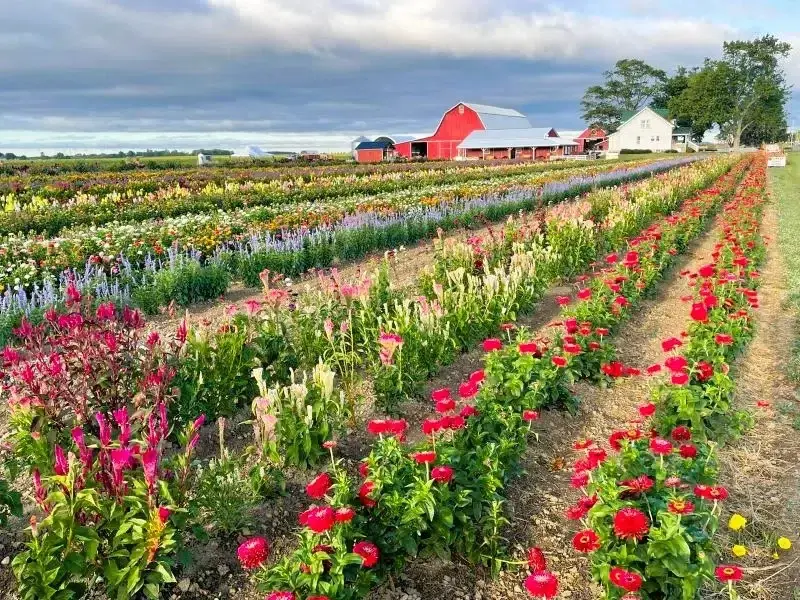
Communities across the country are transforming parks, schools, roadsides, public buildings, and neighborhood green spaces into thriving pollinator habitats. These projects beautify communities while providing essential food and shelter for pollinators throughout the growing season. They also create opportunities for education, volunteerism, and environmental stewardship that benefit people of all ages.
Schools play an especially important role in pollinator conservation. Pollinator gardens become outdoor classrooms where students can observe bees, butterflies, and other wildlife while learning about science, ecology, and conservation. Businesses, churches, libraries, and civic organizations can also make a lasting impact by replacing portions of traditional landscaping with native plants that support local pollinators.
Creating pollinator-friendly communities is not about one large project—it is about many people taking small actions that add up over time. Every native garden, restored meadow, flowering roadside, and community planting helps reconnect habitats and strengthens the network of resources that pollinators depend on.
The most successful conservation efforts are built on partnerships. By working together, neighbors, schools, nonprofits, businesses, and local governments can restore habitats that benefit pollinators while creating healthier, more beautiful places for everyone to enjoy.
Some of the most successful pollinator habitats are created by volunteers. Across the country, schools, garden clubs, conservation groups, businesses, and community organizations are transforming unused green spaces into thriving habitats that benefit pollinators while educating and inspiring future generations.
Start a conversation in your community. Encourage your school, church, business, homeowners association, or local government to plant native flowers, reduce unnecessary mowing, or create a pollinator garden. Conservation is most successful when people work together, and your idea could inspire a project that benefits pollinators for years to come.
At Save The Bees USA, we believe protecting pollinators begins with education and grows through action. Our mission is to restore pollinator habitat, inspire the next generation of conservationists, support responsible beekeepers, and build partnerships that create lasting change for pollinators across America.
We bring conservation to life through hands-on learning experiences, community outreach, habitat restoration projects, and our nationally recognized Observation Hive Program. By connecting students, educators, beekeepers, gardeners, businesses, and communities with the fascinating world of pollinators, we help people understand not only why pollinators matter—but how they can make a difference.
Every native flower planted, every pollinator garden certified, every observation hive placed in a classroom, and every community partnership strengthens the growing movement to protect pollinators. Together, we're creating healthier habitats, educating future leaders, and building a future where pollinators and people can thrive.
Protecting pollinators starts with one simple action. Whether you plant native flowers, create a pollinator garden, reduce pesticide use, volunteer in your community, or share what you've learned with others, your efforts help restore the habitats that bees, butterflies, and other pollinators need to survive.
Every flower planted, every garden restored, and every person inspired creates a ripple effect that reaches far beyond a single backyard or community. Together, we can restore pollinator habitat, strengthen ecosystems, and ensure future generations inherit a healthier, more resilient world.
Join Save The Bees USA by supporting pollinator conservation, participating in one of our education or certification programs, volunteering in your community, or making a donation to help expand our mission across America. Together, we can create a future where pollinators—and the people who depend on them—can thrive.
Whether you plant native flowers, certify your pollinator garden, become a Save The Bees USA Advocate, volunteer in your community, or make a donation, every action helps restore pollinator habitat and protect the species that keep our ecosystems healthy.
Together, we can create a future where bees, butterflies, hummingbirds, and other pollinators have the habitat they need to thrive—for generations to come.
RESOURCES
GET IN TOUCH