Expand Pollinator Habitat
Pollinator Plants
Choose native and regionally appropriate plants that provide reliable nectar, pollen, shelter, and seasonal continuity for bees and other pollinators.
Why Pollinator Plants Matter
Pollinator plants do much more than make your yard look beautiful. They provide the nectar and pollen that bees, butterflies, hummingbirds, and other pollinators need to live. Without enough flowers, pollinators must fly farther to find food. That takes more energy and leaves less time to build nests, raise young, and pollinate the plants that produce fruits, vegetables, and seeds. A healthy landscape filled with blooming plants gives pollinators a reliable food source from spring through fall.
Choosing the right plants is one of the easiest ways to make a difference. Native plants have grown alongside local bees and butterflies for thousands of years, making them one of the best food sources you can add to your yard. Whether you plant a small flower bed, add a few containers to your patio, or create a larger pollinator garden, every new bloom helps restore habitat. Small changes made by thousands of people can have a lasting impact on pollinators across America.
Native Plants Feed Local Pollinators
Native plants are the best choice for local pollinators. They have grown together for thousands of years. Bees know these flowers. Butterflies depend on them. Many native plants provide more nectar and pollen than common landscape plants. They also bloom when local pollinators need food the most. Once they are established, they usually need less water and less care. That makes them a great choice for your yard and for the wildlife that lives around you. By planting native flowers, shrubs, and trees, you can help create a healthier place for pollinators to feed and thrive.
Choosing the Right Plants for Your Region
The best pollinator plants are the ones that naturally grow where you live. A flower that thrives in Texas may not do well in Minnesota, and a plant that supports bees in Florida may not bloom at the right time in Oregon. That is why choosing plants for your region is so important. Native plants are already adapted to local weather, soil, and rainfall. They also provide the food that local bees, butterflies, and other pollinators expect to find each season. Before you buy new plants, take a few minutes to learn which native flowers, shrubs, and trees grow well in your area. Choosing the right plants from the start will give your garden a better chance to grow, bloom, and support pollinators for years to come.
The Best Types of Pollinator Plants
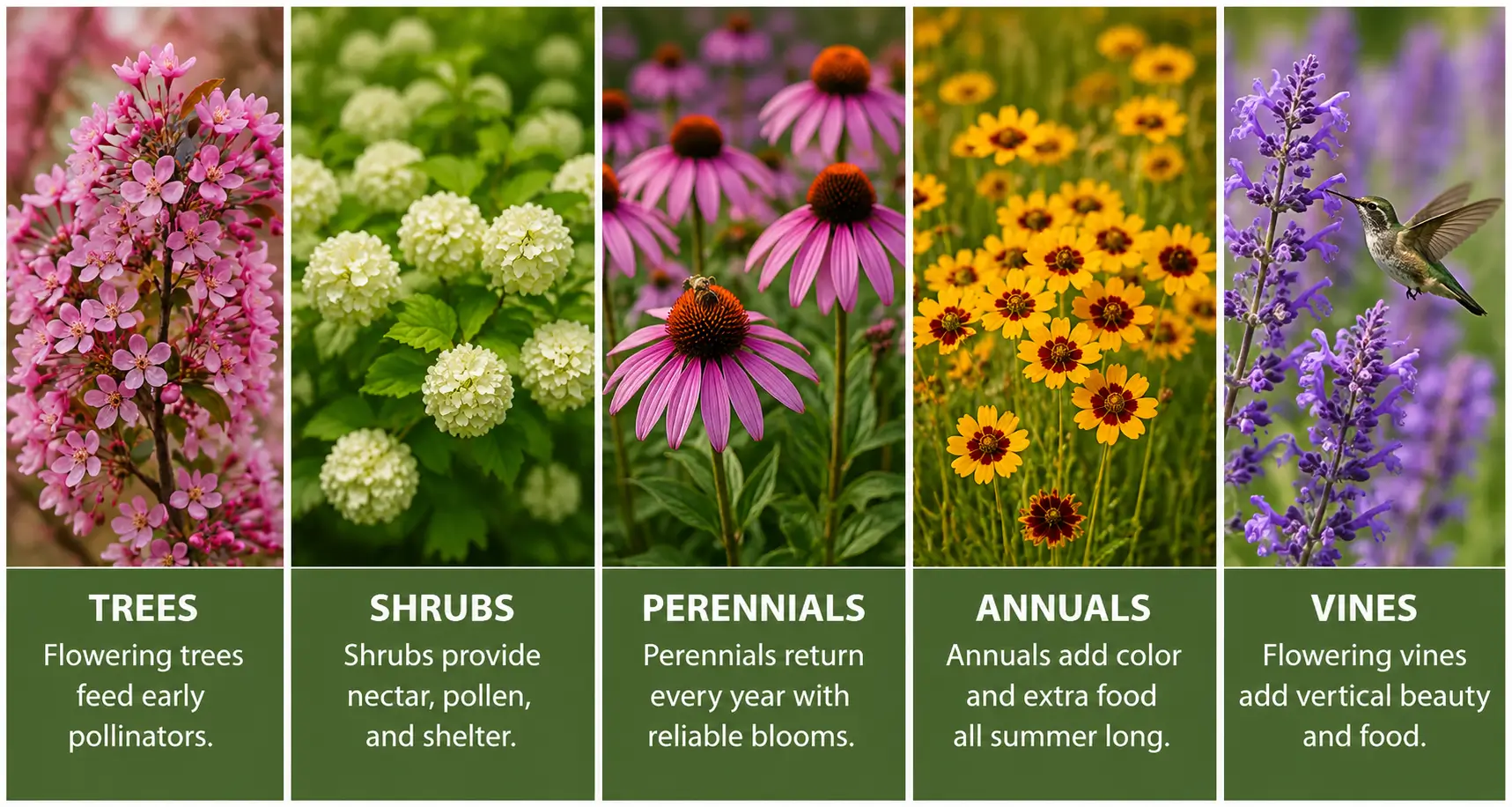
A healthy pollinator garden includes more than flowers. Trees, shrubs, perennials, and annuals all play an important role in providing food throughout the growing season. Flowering trees often give bees their first meal of the year, while shrubs provide nectar, pollen, and shelter. Perennials return year after year with reliable blooms, and annual flowers add bright color and extra food during the summer. By planting a mix of these plants, you can create a garden that supports bees, butterflies, hummingbirds, and other pollinators from early spring through late fall.
Pollinator Plants for Every Season
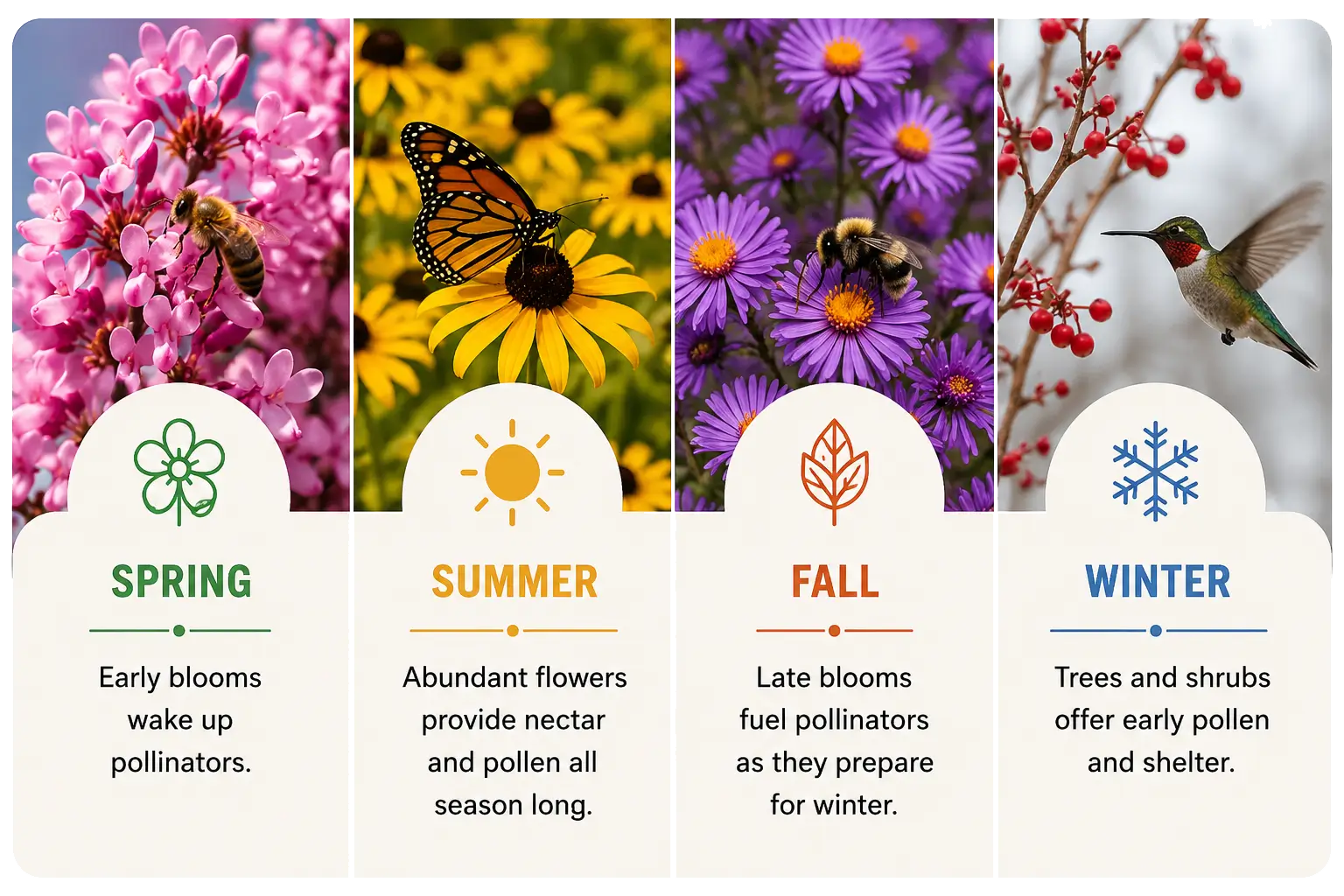
A pollinator garden should have something blooming from early spring until late fall. Different plants bloom at different times, and pollinators depend on those changing flowers for food. If your garden blooms for only a few weeks, bees and butterflies may struggle to find nectar and pollen during the rest of the season. A garden with blooms that overlap gives pollinators a steady food source and keeps your landscape full of color for months.
Spring is when many pollinators become active again. Honey bees, bumble bees, mason bees, and other native bees leave their nests hungry after winter. Early blooming trees, shrubs, and wildflowers provide the first nectar and pollen of the year. As spring turns into summer, flowers such as bee balm, purple coneflower, black-eyed Susan, blazing star, and native sunflowers become important food sources. These plants attract bees, butterflies, hummingbirds, moths, and many other beneficial insects every day.
Late summer and fall are just as important. Asters, goldenrod, and other late blooming plants help bees build energy before winter. They also provide food for migrating monarch butterflies during their long trip south. After the flowers fade, seed heads, native grasses, and hollow stems continue to support wildlife by providing shelter through the winter months.
The best pollinator gardens never stop working. As one flower finishes blooming, another begins. This simple plan is called continuous blooming. It keeps nectar and pollen available throughout the growing season. By planting trees, shrubs, perennials, and annuals that bloom at different times, you can create a beautiful landscape that feeds pollinators from the first warm days of spring until the last flowers of fall.
Pollinator Gardens Work in Every Climate Across America
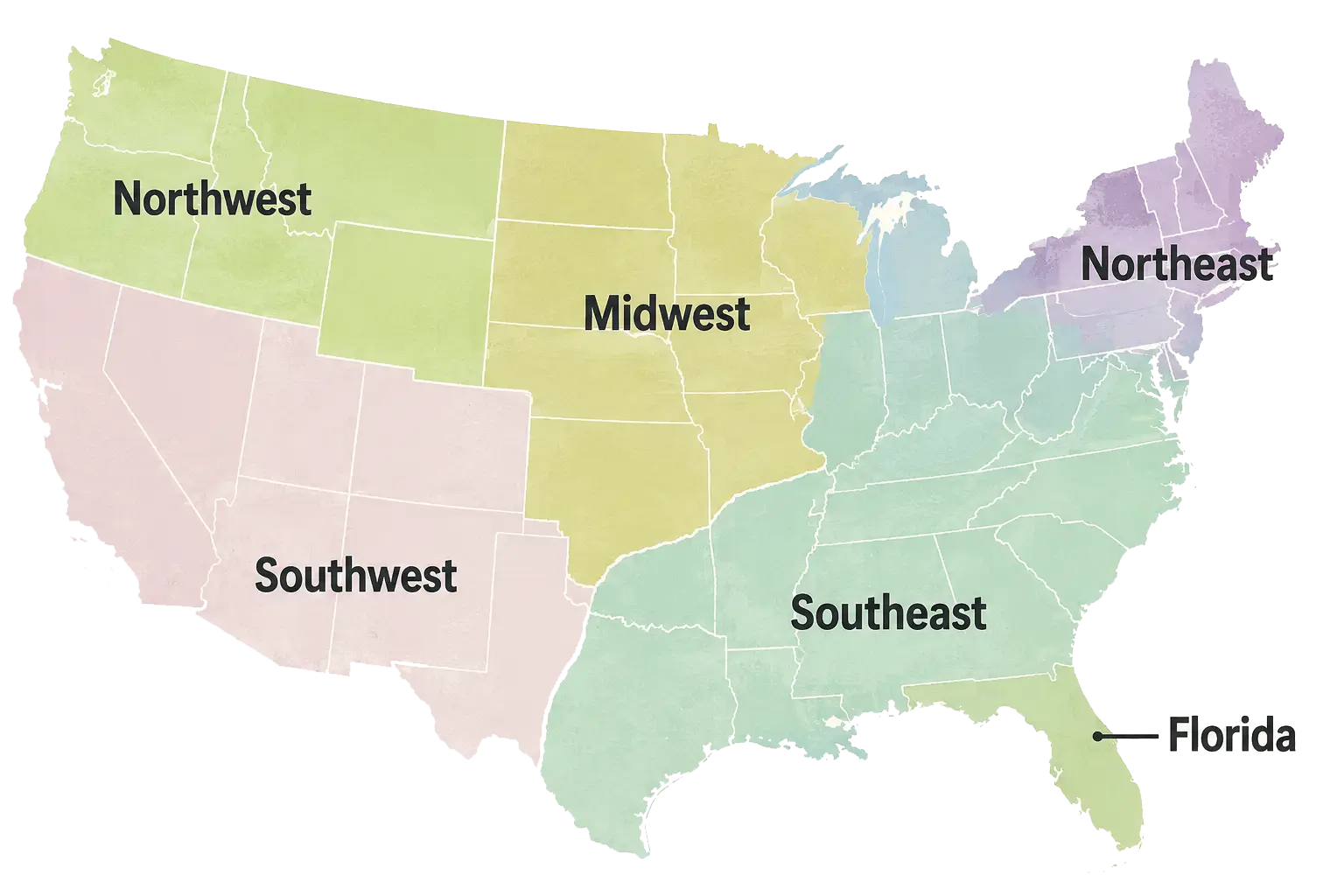
Pollinator gardens can grow almost anywhere in the United States. The plants may be different, but the goal is always the same. They give bees, butterflies, and other pollinators food and a safe place to live. A garden in Texas may have purple coneflowers and black eyed Susans. A garden in Florida may grow blanket flower and native salvia. In Oregon, gardeners often plant lupine and Oregon grape. People in Minnesota may choose blazing star and bee balm. The best plants are the ones that naturally grow in your area. They need less water, grow better, and help local pollinators. No matter where you live, you can plant flowers that make a real difference. Even a small garden can help feed pollinators and make your neighborhood a healthier place for wildlife.
Plants to Avoid
Not every flower is a good choice for pollinators. Some plants have very little nectar or pollen, even if they look bright and colorful. Others are treated with pesticides that can harm bees and butterflies. Try to avoid invasive plants because they can spread quickly and push out native flowers. Double bloom flowers may also be hard for bees to use because their pollen is hidden behind extra petals. Instead, choose healthy native plants from a trusted nursery. Read the plant label before you buy. The right plants will help pollinators find food, stay healthy, and keep your garden full of life.
Start Small and Grow Over Time
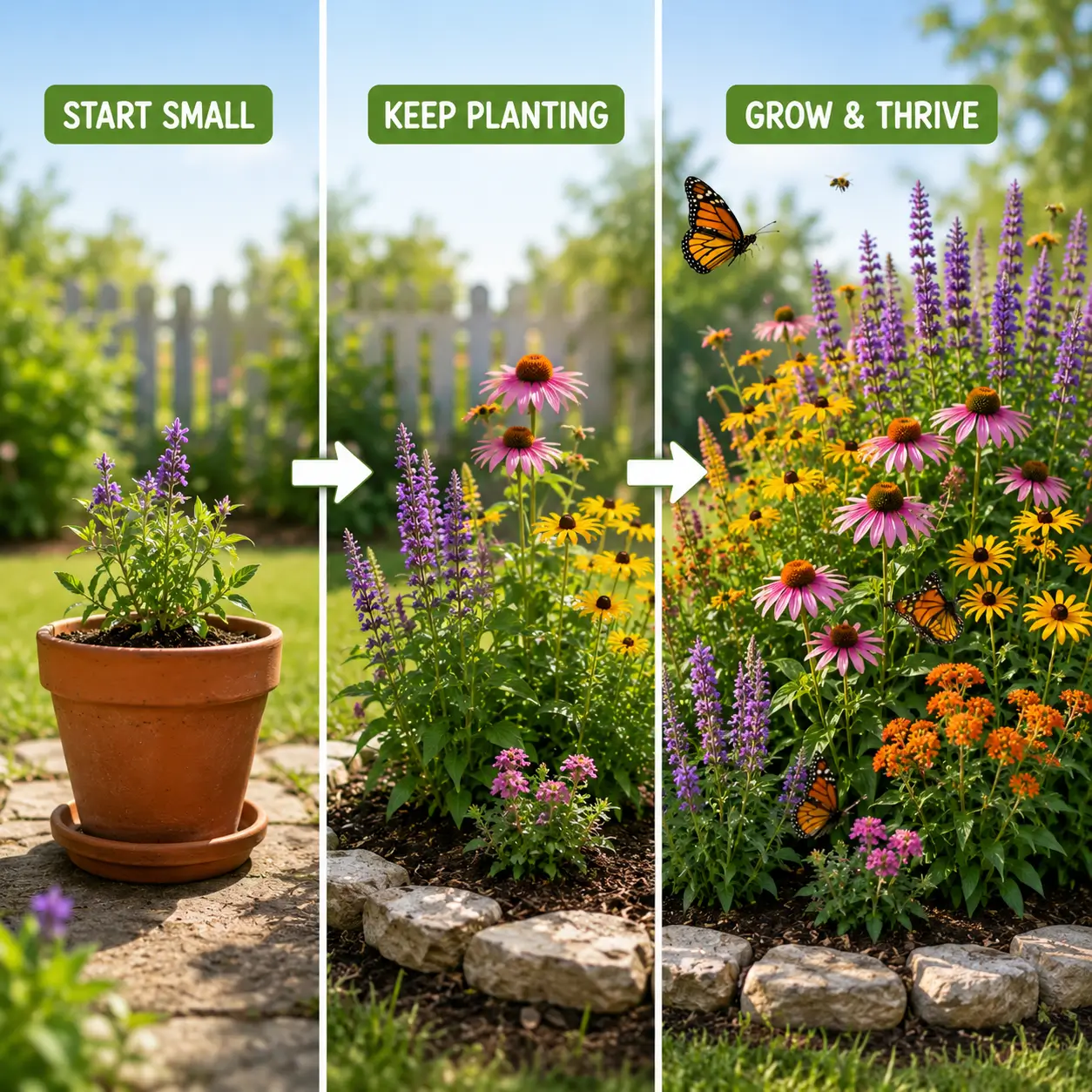
You do not need a big yard to help pollinators. Start with one flower bed, one raised planter, or even one pot on your porch. Pick a few native plants that bloom at different times of the year. As your garden grows, you can add more flowers, shrubs, or small trees. Every new plant gives bees and butterflies another place to find food. Small gardens can make a big difference when many people work together. The best pollinator gardens are built one step at a time. Start with what you have today. Keep planting each year, and soon your garden will be full of color, life, and busy pollinators.