
Support Responsible Beekeepers
Healthy Hives Begin With Responsible Beekeeping
Support the education, observation, and practical hive management that help beekeepers strengthen colony health while respecting native pollinators and local ecosystems.
Knowledge Before Intervention
Responsible Beekeeping Begins With Understanding the Colony
Keeping honey bees requires more than placing a hive and collecting honey. Healthy colonies depend on regular observation, timely decisions, strong nutrition, pest management, and a willingness to keep learning.
Observe, Understand, and Respond
A responsible beekeeper learns to recognize colony growth, brood development, queen performance, food stores, available space, swarming behavior, and signs of stress.
Good management means responding to what the bees need—not simply following a calendar. That may include adding space, providing food during a shortage, replacing a failing queen, improving ventilation, controlling Varroa mites, or preparing colonies for seasonal weather.
The goal is not constant disturbance. It is knowing when intervention is necessary and when a healthy colony should be allowed to work.
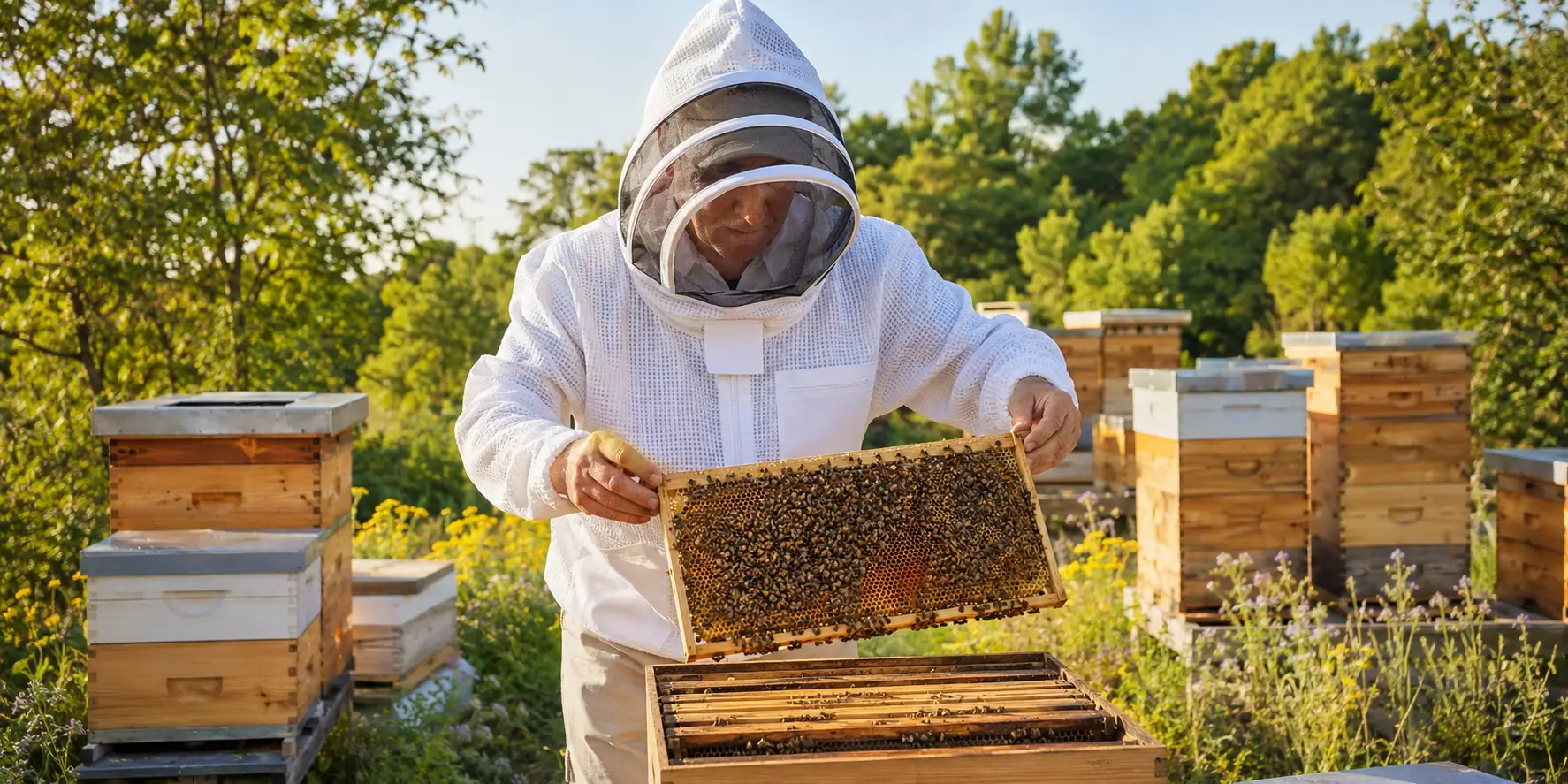
Healthy Hive Management
Six Practices That Protect Colony Health
Strong beekeeping combines careful inspections with practical action throughout the year.
Inspect Consistently
Evaluate brood patterns, queen activity, colony population, food stores, available space, and unusual behavior without overworking the hive.
Monitor Varroa Mites
Use reliable testing methods, record results, and respond before mite pressure weakens the colony or spreads damaging viruses.
Protect Nutrition
Maintain access to diverse forage, clean water, and adequate stores. Feed thoughtfully when natural resources cannot meet colony needs.
Manage Space and Swarming
Add or remove equipment as colony conditions change, reduce overcrowding, and use responsible swarm-prevention and swarm-recovery practices.
Support Queen Health
Watch brood quality and colony temperament for signs of queen failure, and take timely action when replacement is needed.
Prepare for the Season
Adapt ventilation, food stores, entrance protection, equipment, and inspection frequency to local heat, cold, drought, and winter conditions.
Challenges Facing Beekeepers
Healthy Colonies Require Active Attention
Problems can develop quickly. Early recognition and informed action can make the difference between a colony that recovers and one that continues to decline.
Pests and Disease
Varroa mites remain one of the greatest threats to managed honey bees. Hive beetles, wax moths, viruses, and other health issues also require accurate identification and appropriate response.
Nutrition and Forage Gaps
Seasonal shortages, drought, habitat loss, and large areas with limited plant diversity can leave colonies without the nectar and pollen they need.
Queen and Colony Changes
Queen failure, swarming, robbing, rapid population shifts, and changing weather can quickly alter a colony’s needs and resilience.

Good Records Strengthen Good Decisions
Inspection notes help beekeepers follow brood patterns, food stores, queen performance, mite levels, treatments, weather, and seasonal changes over time.
Records reveal trends that are easy to miss during a single visit and help beekeepers evaluate which management choices are working.
When a colony is struggling, clear observations also make conversations with experienced mentors, local associations, and bee-health professionals more useful.
A Year-Round Responsibility
Colony Needs Change With the Seasons
Local climate and forage determine exact timing, but every beekeeper must anticipate how colony growth, food, pests, and weather change through the year.
Spring Growth
Confirm queen activity, watch brood expansion, assess food stores, manage space, and prepare for swarm season as populations increase.
Summer Strength
Monitor forage, water, heat, ventilation, colony space, and pest pressure during peak activity and honey production.
Fall Preparation
Evaluate winter stores, colony strength, queen status, equipment condition, and mite levels before cold weather limits management options.
Winter Protection
Reduce unnecessary disturbance, manage moisture and ventilation, protect entrances, and monitor food availability when colonies cannot forage.
Honey Bees Within a Larger Ecosystem
Responsible Beekeeping Also Protects Native Pollinators
Managed honey bees share flowering landscapes with thousands of native bee species. Hive placement and management should consider the resources and pollinators already present.
Balance Colony Needs With Local Habitat
Responsible beekeepers consider forage diversity, water, pesticide exposure, surrounding habitat, and the number of managed colonies an area can support.
Native bumblebees, mason bees, leafcutter bees, mining bees, and other solitary species depend on bare ground, hollow stems, dead wood, native plants, and undisturbed nesting areas.
Honey bee conservation and native bee conservation should strengthen one another. Healthy managed colonies are one part of a much larger pollinator community.
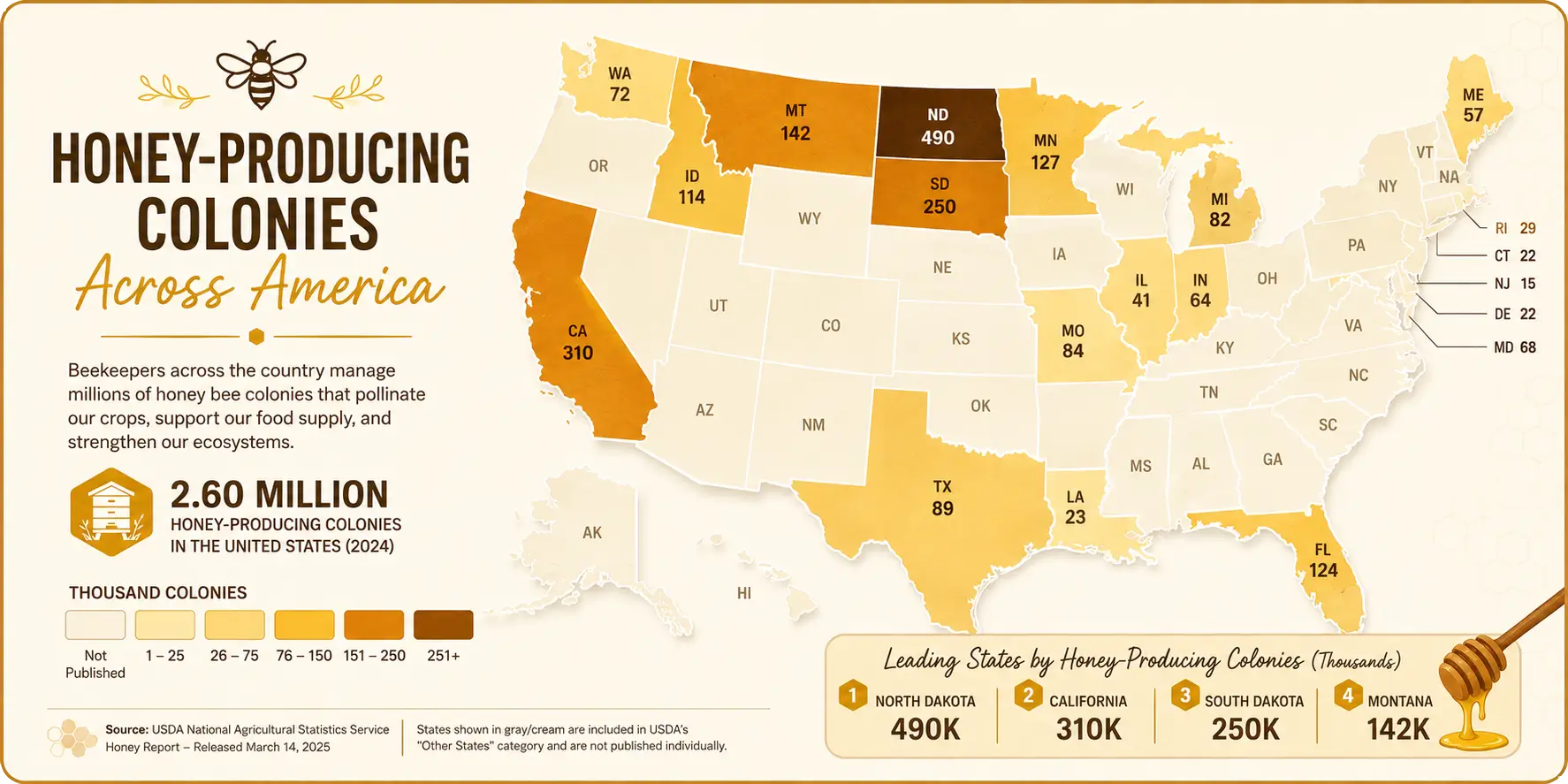
Education and Community
Strong Beekeepers Keep Learning and Sharing
Experienced mentors, local associations, practical training, and public education help new and established beekeepers make better decisions.
Learn From Local Experience
Regional climate, forage, pests, and seasonal patterns matter. Local mentors and associations provide context that general advice cannot replace.
Share Accurate Information
Beekeepers can help schools, neighbors, farmers, and community leaders understand colony biology, swarms, pollination, and responsible management.
Support the Next Generation
Observation hives, demonstrations, and hands-on education turn curiosity into conservation and encourage thoughtful future beekeepers.
Put Support Into Practice
Help Beekeepers Care for Healthy Colonies
Sponsor a hive, adopt a colony, support observation-hive education, or help fund the resources responsible beekeepers use throughout the year.
Healthy Bees Need Skilled Care
Support Beekeepers Who Put Colony Health First
Help expand practical education, responsible hive management, and pollinator conservation across America.