Expand Pollinator Habitat
Pollinator Gardens for Bees and Butterflies
Design a beautiful, resilient garden that provides nectar, pollen, shelter, and seasonal resources for bees, butterflies, and other beneficial pollinators.
What Is a Pollinator Garden?
Have you ever walked through a garden that seemed alive? At first, it may look like nothing more than a few flowers and some fresh mulch. Then one warm morning you notice a honey bee moving from bloom to bloom. A few days later, a monarch butterfly drifts through the garden. Soon a hummingbird appears, hovering in front of bright red flowers before darting away in a blur. Before long, your quiet flower bed has become a busy neighborhood for wildlife.
More Than a Beautiful Flower Garden
A pollinator garden is more than a beautiful landscape. It is a place where nature can catch its breath. It provides food, shelter, water, and safe places for bees, butterflies, hummingbirds, moths, beetles, and countless other beneficial insects that keep our ecosystems healthy. Every flower has a purpose. Every bloom becomes part of a much bigger story.
Why Pollinator Gardens Are More Important Than Ever
You do not need acres of land, expensive landscaping, or years of gardening experience. A pollinator garden can be a small corner of your backyard, a raised bed beside your patio, a strip of flowers along a fence, or even a collection of containers on an apartment balcony. Large gardens certainly help, but small gardens matter too. When thousands of people plant even a few square feet of pollinator habitat, those small spaces become connected across neighborhoods and communities, creating an enormous network of food and shelter for wildlife.
Think about the places you visit every day. Your home. Your child’s school. Your church. The local park. Your office. Imagine if each one included a pollinator garden filled with native flowers that bloomed from spring through fall. Instead of isolated patches of habitat, pollinators would find a continuous path of nectar and pollen across the community. That is how lasting conservation begins. Not with one giant project, but with thousands of people making small changes that add up to something extraordinary.
Every Pollinator Garden Makes a Difference
Over the past several decades, millions of acres of natural habitat have been lost to development, roads, parking lots, and large expanses of turf grass. Many neighborhoods are filled with beautiful lawns but very few flowering plants that provide food for pollinators. Even well-maintained landscapes often contain non-native ornamental plants that offer little nectar or pollen for local wildlife.
Imagine walking through your neighborhood and finding restaurants closed every few miles. Eventually, you would run out of places to eat. That is exactly what happens to bees and butterflies when flowers disappear from the landscape. They spend more energy searching for food and less energy raising the next generation.
Pollinator Gardens Support More Than Honey Bees
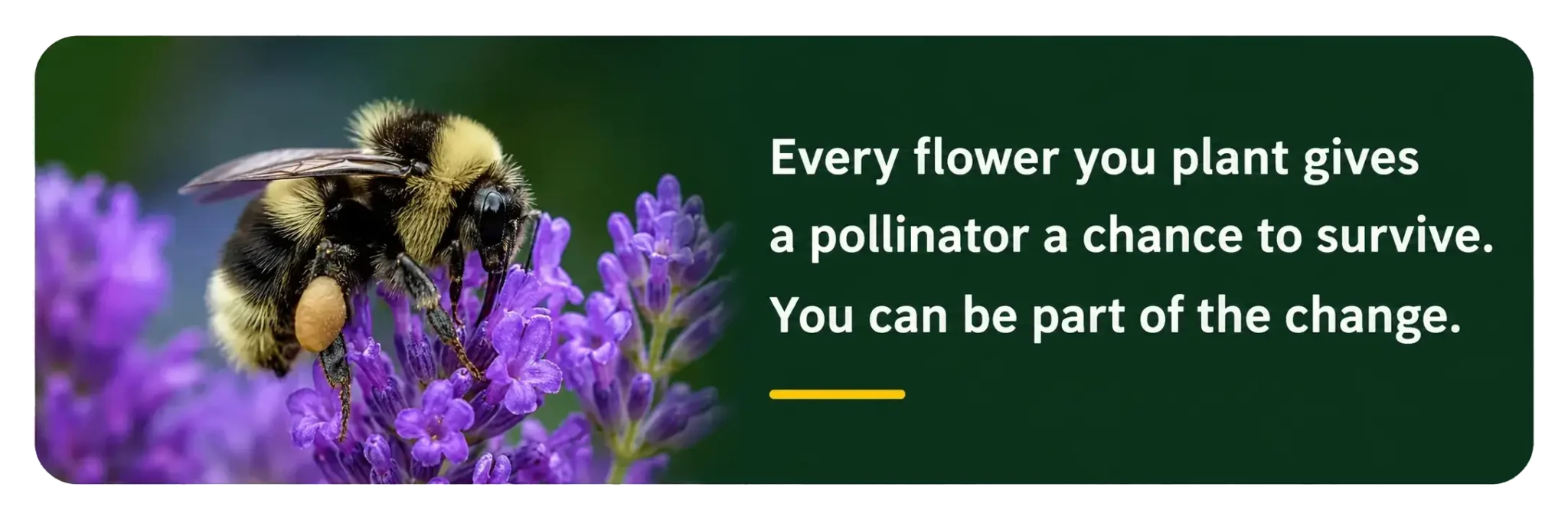
Every flower you plant becomes a food stop for a hungry bee. Every native shrub provides shelter during harsh weather. Every blooming tree helps support pollinators early in the season when few other flowers are available. What may look like a simple garden to us can become a lifeline for dozens of species.
One of the biggest surprises for new gardeners is discovering just how much life arrives once the flowers begin to bloom. Bees appear that you never noticed before. Tiny native bees, metallic green sweat bees, fuzzy bumble bees, butterflies, hover flies, hummingbirds, dragonflies, and lady beetles all begin visiting the same space. A healthy pollinator garden quickly becomes one of the busiest places in your yard.
That is because a true pollinator garden is designed differently than a traditional flower bed.
Instead of choosing plants based only on color, pollinator gardens are planned around the needs of wildlife. The goal is to provide blooms from early spring until late fall so pollinators always have something to eat. Native plants are mixed with carefully selected garden plants to provide a steady supply of nectar and pollen throughout the growing season. Different flower shapes attract different pollinators, creating a diverse landscape that supports many species instead of just one.
Pollinator Gardens Work in Every Climate Across America
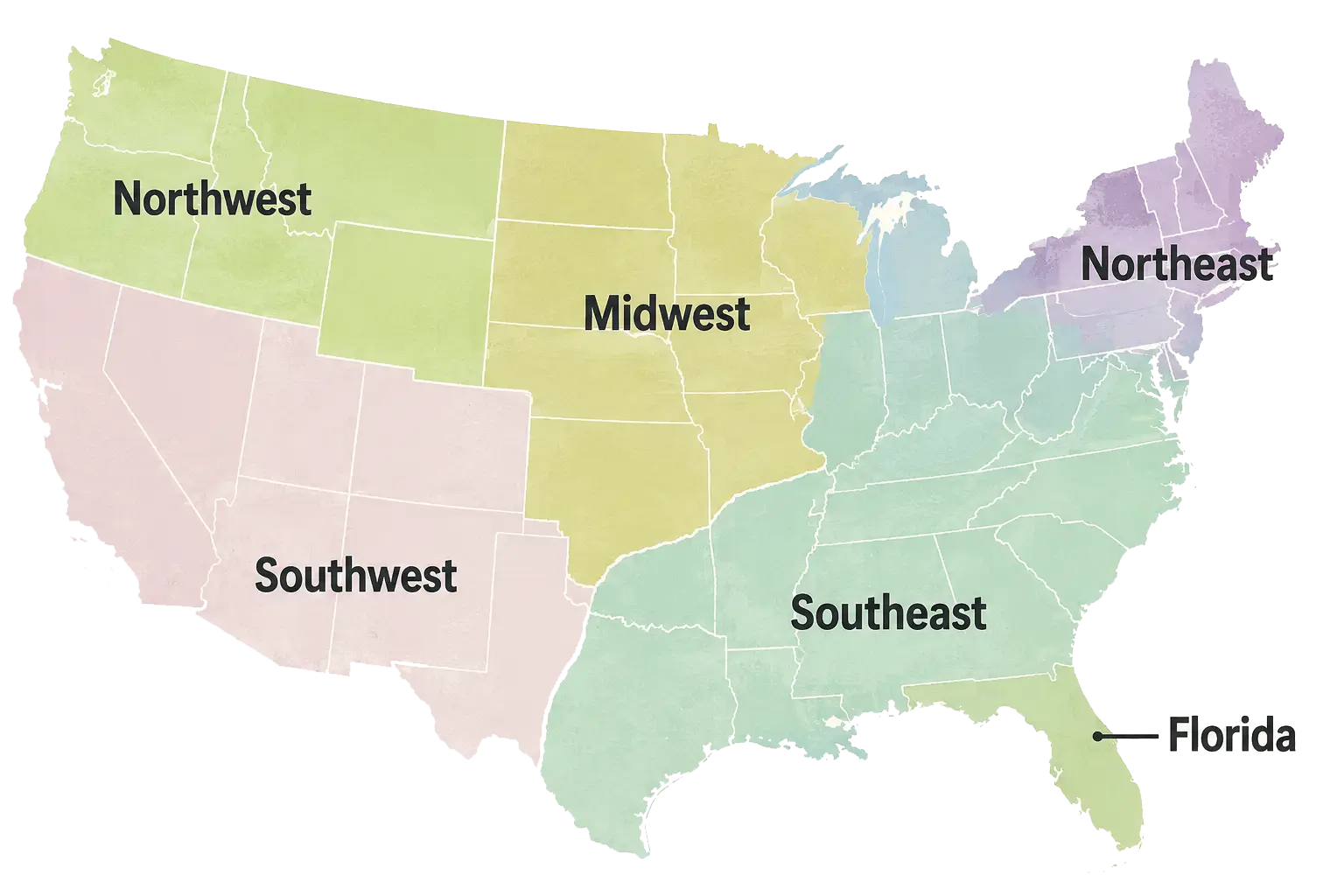
A family in Minnesota may choose blazing star, bee balm, and prairie clover. A homeowner in California may fill their yard with California poppies, buckwheat, and native sages. Gardeners in Florida often rely on coreopsis, blanket flower, and native salvias, while those in the Pacific Northwest create beautiful landscapes with lupine, Oregon grape, Douglas aster, and flowering currants. The plants may change from state to state, but the goal remains the same: provide food and habitat for local pollinators using plants that naturally thrive where you live.
That is one of the reasons native plants are so important. They have evolved alongside local pollinators for thousands of years. They are better adapted to regional weather, often require less water once established, and provide the nectar and pollen that many native bee species depend on. They also reduce maintenance, making your garden easier to care for while supporting a healthier ecosystem.
Anyone Can Create a Pollinator Garden
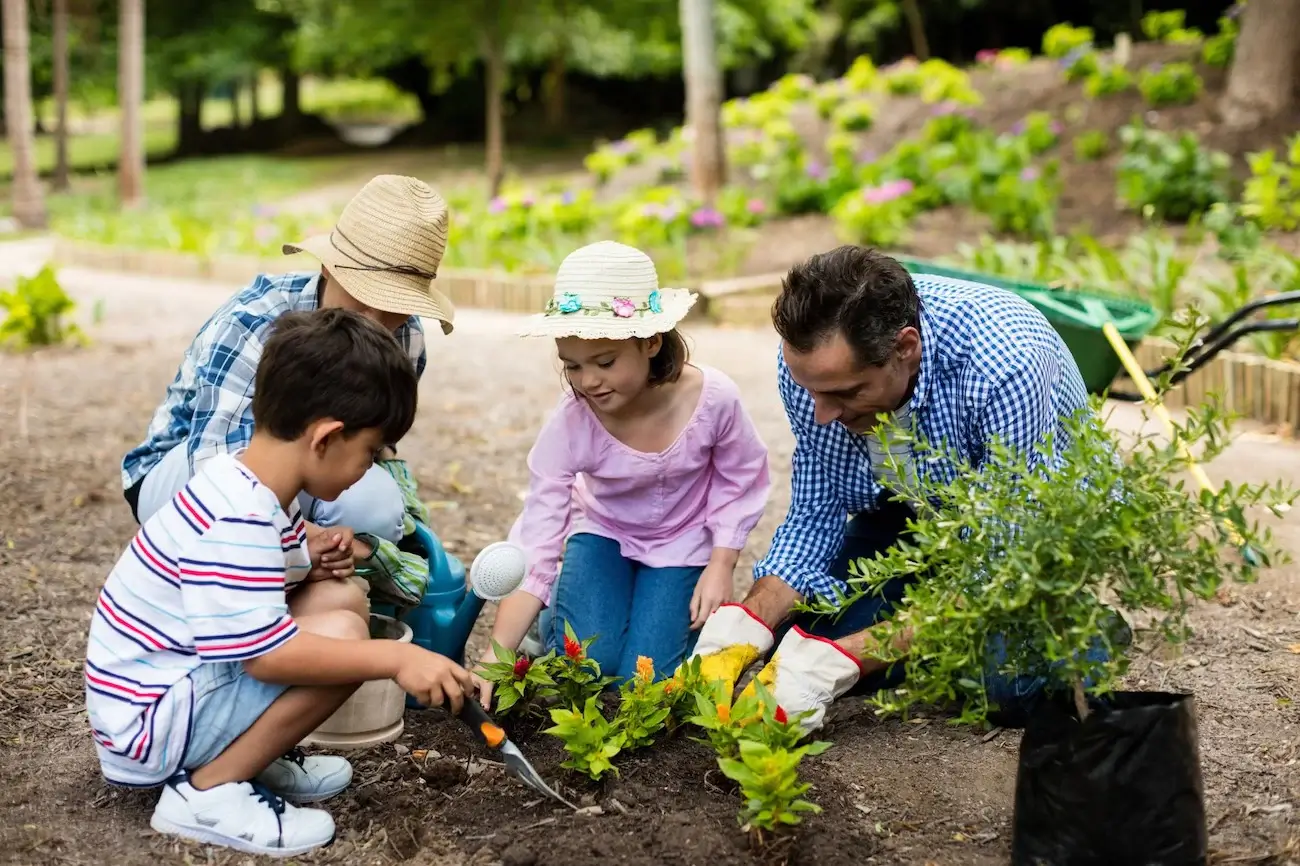
You do not have to plant hundreds of flowers in one weekend. Start with one flower bed. Add a few native plants this season. Plant a flowering tree next year. Replace part of your lawn with wildflowers when you are ready. Every step matters because every new flower gives a pollinator another chance to survive.
At Save The Bees USA, we believe conservation should be something everyone can be part of. Whether you live on a ranch in Texas, own a suburban home in Ohio, manage a school in North Carolina, or care for a small community garden in Florida, you have the opportunity to create habitat that makes a real difference.
Your pollinator garden may begin with a single flower, but its impact can reach far beyond your own backyard.
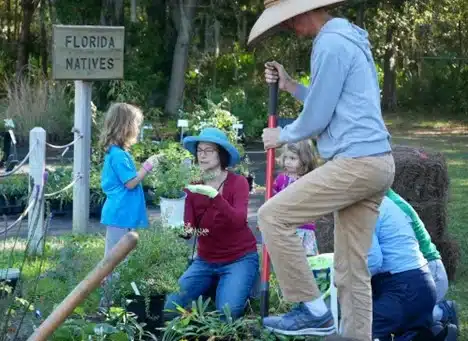
How School Pollinator Gardens Create Outdoor Classrooms
Imagine an elementary school with an unused patch of grass beside the playground. Instead of mowing it every week, teachers, students, parents, and volunteers come together to create a pollinator garden. They plant Texas lantana, autumn sage, Gregg’s mistflower, black-eyed Susans, purple coneflowers, native milkweed, and Gulf Coast penstemon. Within a few months, the garden is buzzing with life.
Science class is no longer limited to a textbook. Students watch honey bees gather pollen. They discover tiny native bees nesting in the ground. Monarch butterflies stop to lay eggs on milkweed, giving children the chance to observe one of nature’s most incredible life cycles. What began as a simple garden becomes an outdoor classroom where curiosity grows alongside the flowers.