
HEAD, HEART, HANDS, AND HEALTH
4-H Bee Programs: Practical Science and Youth Leadership
Bee projects can help 4-H youth build scientific knowledge, recordkeeping, communication, responsibility, and community leadership.
LEARN BY DOING
Bee Projects Fit the 4-H Learning Model
Youth can investigate pollination, native bees, honey bee biology, habitat, food systems, beekeeping, data, and public education through progressively challenging projects.
Projects should match participant experience, local resources, Extension guidance, and the availability of qualified adult mentors.

LEARNING OUTCOMES
What Learners Can Discover
Knowledge
Build accurate understanding of bees, plants, and ecosystems.
Recordkeeping
Track observations, expenses, activities, results, and reflection.
Communication
Create demonstrations, talks, exhibits, or community education.
Leadership
Plan projects, mentor peers, and serve local pollinator needs.
PROGRAM DESIGN
A Strong Learning Experience Includes
Progressive Learning
Projects grow from basic observation to advanced investigation or stewardship.
Qualified Mentorship
Experienced adults support safety, animal care, and sound decisions.
Public Sharing
Youth explain evidence, process, results, and lessons learned.
FROM CURIOSITY TO ACTION
Turn Learning Into Pollinator Stewardship
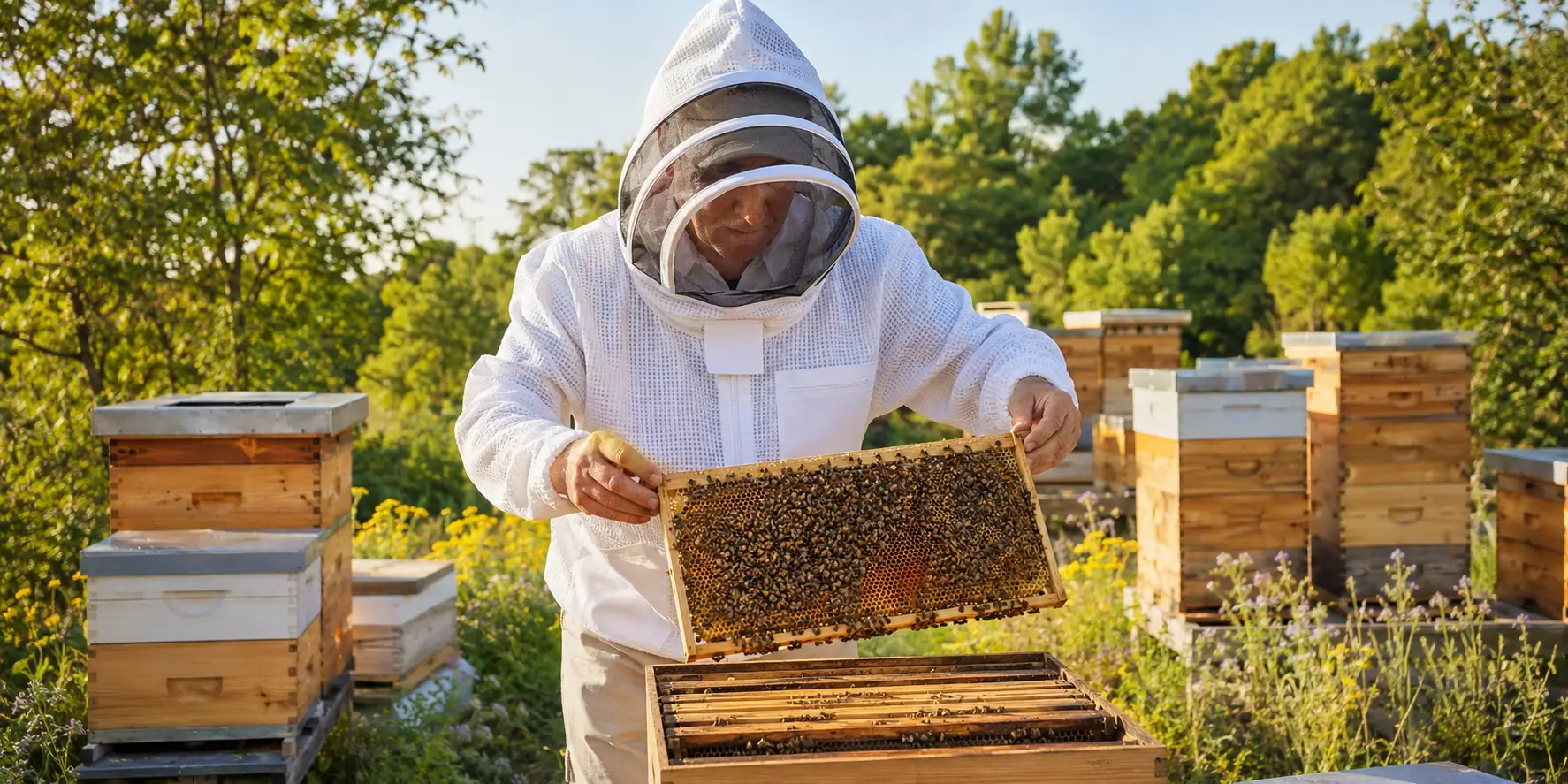
Youth do not need to own a hive to complete a meaningful bee project. Habitat, native bee observation, pollination studies, outreach, photography, and data projects provide many entry points.
- Maintain a detailed project record book
- Interview a beekeeper, grower, or Extension educator
- Compare pollinator visitation across flower types
- Design a community education or habitat service project
PROGRAM FAQ
Questions Educators and Families Ask
Does every 4-H bee project require a hive?
No. Many valuable projects focus on native bees, habitat, pollination, data, photography, communication, or service.
Where should families find official requirements?
Use the current materials and guidance from the relevant state or county Cooperative Extension and 4-H program.
Can youth handle live bees?
Only within an approved, age-appropriate activity with qualified supervision, protective equipment, and safety planning.
What belongs in a project record?
Goals, dates, activities, observations, data, expenses, photos where permitted, results, challenges, and reflection.
EDUCATE THE NEXT GENERATION
Help Young People Understand—and Protect—Pollinators
Thoughtful bee education connects science, observation, habitat, and meaningful community action.