
LEARN, LEAD, AND SERVE
Scout Bee Programs: Skills, Service, and Pollinator Stewardship
Bee-centered Scout programs combine outdoor observation, practical science, leadership, and service projects that can create lasting benefits for pollinators.
PROGRAMS BUILT FOR PARTICIPATION
Turn Curiosity Into Team-Based Action
Scout groups can explore bee diversity, pollination, habitat, safety, and responsible beekeeping through structured activities matched to age and program goals.
Projects are strongest when Scouts participate in planning, divide responsibilities, document their work, and explain how their actions support pollinators.

LEARNING OUTCOMES
What Learners Can Discover
Bee Basics
Learn anatomy, diversity, pollination, and colony roles.
Outdoor Skills
Observe habitat, weather, bloom, water, and nesting resources.
Leadership
Plan tasks, communicate safety, and coordinate a service project.
Reflection
Document results and identify what could be improved.
PROGRAM DESIGN
A Strong Learning Experience Includes
Age-Appropriate
Activities match developmental level, group size, and supervision.
Service-Oriented
Projects address a documented habitat or education need.
Safe and Inclusive
Plans consider allergies, mobility, heat, tools, and outdoor access.
FROM CURIOSITY TO ACTION
Turn Learning Into Pollinator Stewardship
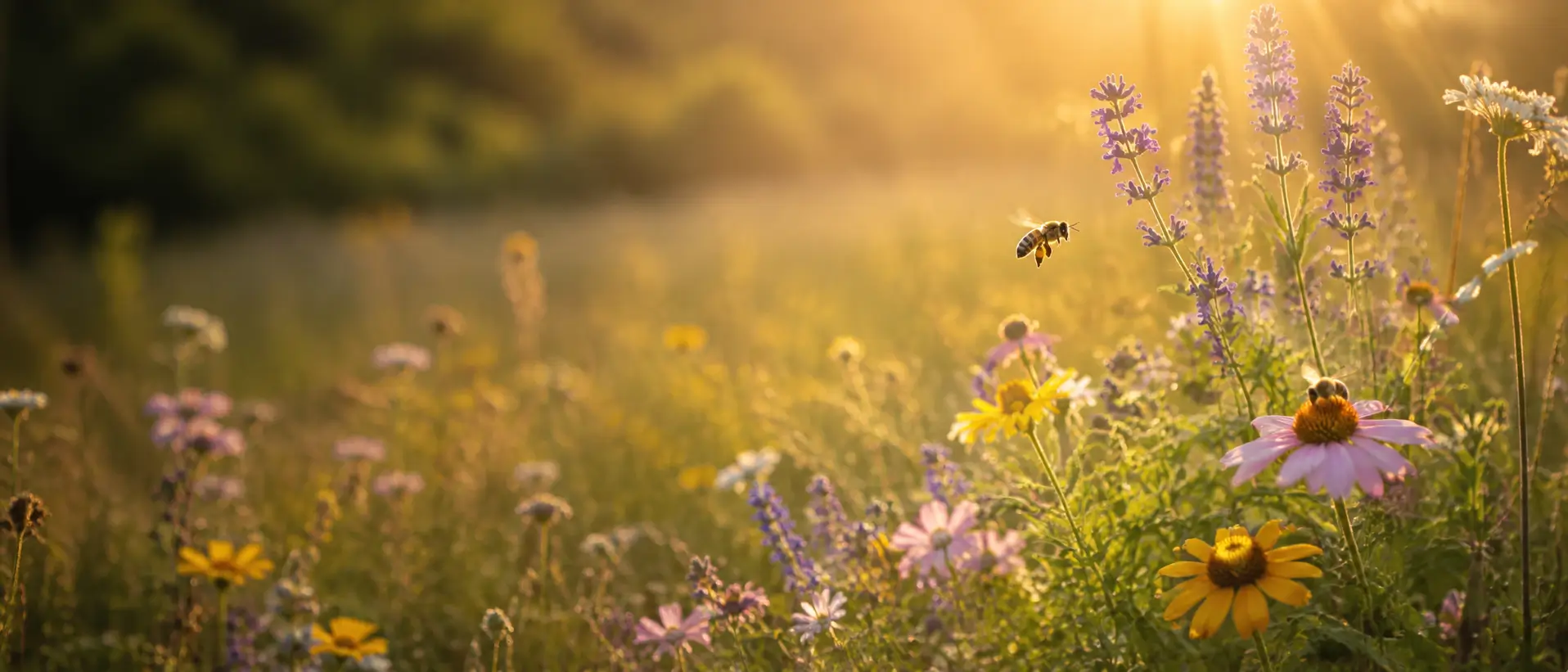
A service project can improve habitat while giving Scouts meaningful ownership. Start with an assessment, set a realistic goal, and plan for maintenance after the event.
- Map existing flowers and identify seasonal gaps
- Install and maintain a shallow water source
- Create evidence-based pollinator signs or outreach
- Plant a locally appropriate, pesticide-conscious garden
PROGRAM FAQ
Questions Educators and Families Ask
Can this support badge work?
Activities may support learning connected to badges or awards, but leaders must confirm the current official requirements.
Do Scouts need protective bee suits?
Not for most habitat and education activities. Hive access should occur only in an appropriate supervised program.
What makes a good service project?
A good project responds to a real need, has clear ownership, includes safety planning, and provides maintenance after installation.
Can younger Scouts participate?
Yes, with shorter activities, clear boundaries, hands-on visuals, and age-appropriate adult supervision.
EDUCATE THE NEXT GENERATION
Help Young People Understand—and Protect—Pollinators
Thoughtful bee education connects science, observation, habitat, and meaningful community action.